
Tribunal rejects Farmington homeowner’s appeal of oil and gas development permit
The Energy Resource Appeal Tribunal dismissed a Farmington homeowner’s challenge of a British Columbia Energy Regulator (BCER) permit for an oil and natural gas development.
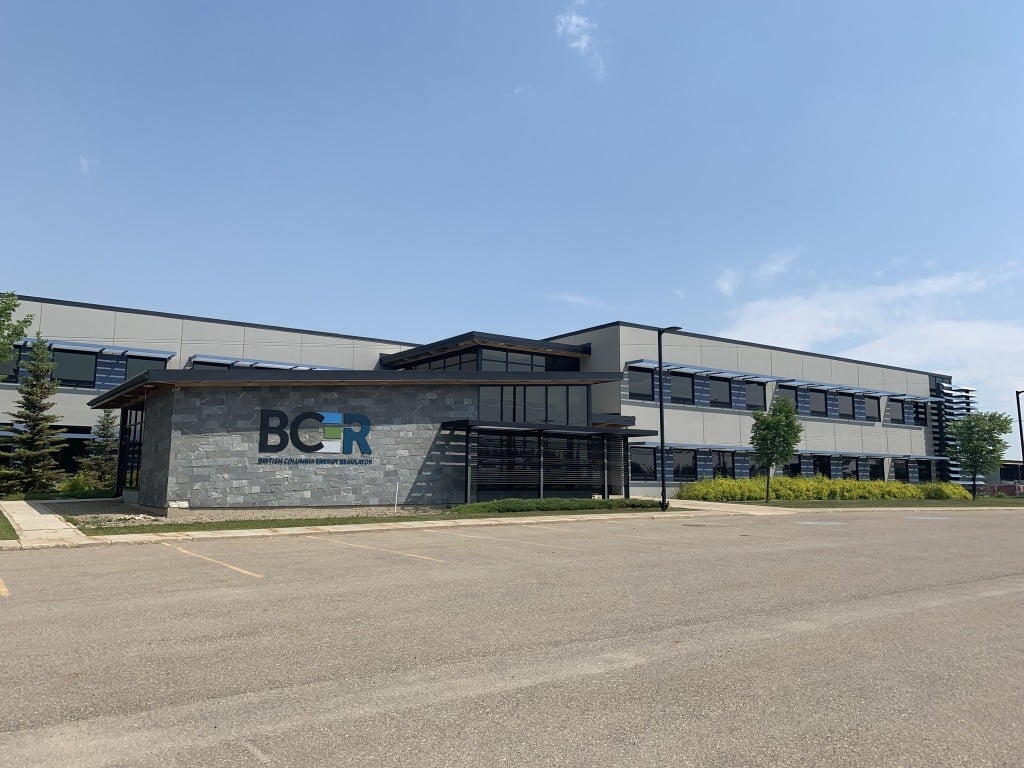
The Energy Resource Appeal Tribunal dismissed a Farmington homeowner’s challenge of a British Columbia Energy Regulator (BCER) permit for an oil and natural gas development.
In a decision on Monday, February 3rd, panel chair Nancy Moloney agreed with the BCER and Ovintiv Canada ULC that Richard Kabzems of Farmington, north of Dawson Creek, lacks standing to appeal the permit and the tribunal lacks jurisdiction to hear such an appeal.
BCER approved Ovintiv’s application on July 8th, 2024 to drill, test and operate 24 wells for petroleum, natural gas or both, along with an associated facility and oil and gas road.
Local News Straight
to Your Phone
Download our app today!
Available on Android and iOS devices
Beginning in October 2022, the company notified Kabzems and others in the Lebell Road subdivision, 1.3 kilometres from the site, about its plans. Kabzems expressed his opposition over the ensuing 21 months.
His appeal claimed the permit does not sufficiently protect residents for seismic and health risks and he commissioned an expert report by geoscientist Allan Chapman, formerly of the BC Oil and Gas Commission, on the risks of fracking-induced earthquakes in the subdivision.
In April 2024, before the permit was awarded, Kabzems wrote to the BCER landowner liaison, asking for the permit to be denied or a five-kilometre buffer zone be implemented between resource activities and the residences. The letter was signed by nine other area residents and was included with the application.
On July 23rd last year, two weeks after the approval, Kabzems appealed, alleging the potential for increased fracking-induced earthquakes and toxic pollutants in the air and water.
Latest Stories
“The appellant submitted that he has experienced years of seismic disturbances from Ovintiv drilling in the area and is not able to attain earthquake insurance for his property,” Moloney wrote. “The appellant submitted that the permit should not be approved until a current, independent scientific review has been performed demonstrating very low health risks to residents, and that this burden of proof is borne by Ovintiv.”
The company said the project complies with all statutory and regulatory requirements. Moloney’s decision said all permitted activities are located on private land not owned by the appellant.
“There are two intervening parcels of land between the appellant’s property and the activity area. Given these facts, I find the appellant’s property is not on or adjacent to the ‘activity area’ as defined in the permit,” Moloney wrote.
Denver, Colorado-based Ovintiv, formerly known as Calgary-based Encana, trades on the NYSE and TSE exchanges. On January 31st, it closed the $3.3 billion acquisition of Paramount Resources Ltd. Montney Shale assets in Alberta.
As we continue to grow and deliver accessible stories that matter to the community, feedback from readers like you is especially important to us. Let us know your thoughts about Energeticcity.ca’s coverage by taking a short survey at energeticcity.ca/survey.
Stay connected with local news
Make us your
home page
Related Articles
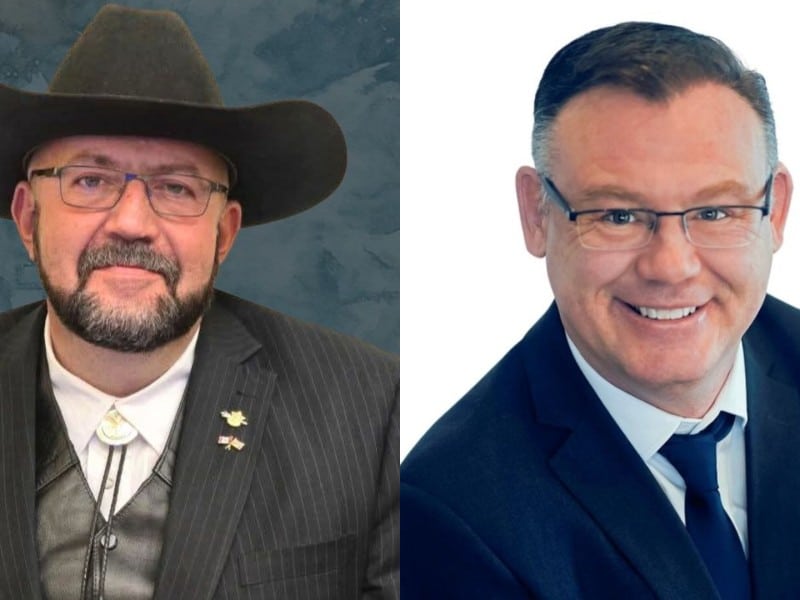
‘Not a vote on substance or intent’: Local MLAs talk voting to progress Human Rights Code Repeal Act
The MLAs of the Peace region – Peace River North MLA Jordan Kealy and Peace River South MLA Larry Neufeld – voted to progress a Human Rights Code Repeal Act at the first reading to give it a chance to be discussed.
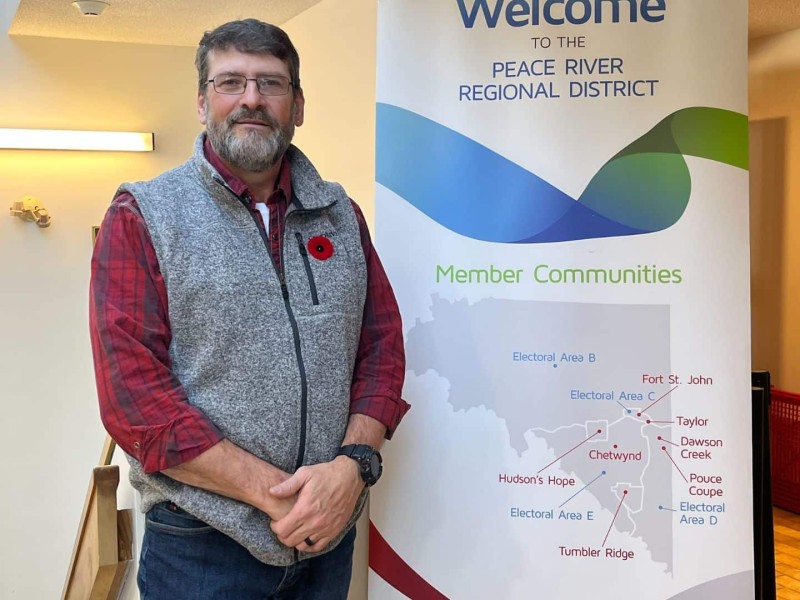
Residents get opportunity to talk local issues at community meeting series with PRRD
Peace River Regional District (PRRD) electoral area D director Leonard Hiebert is hosting a series of meetings for local residents starting March 23rd and ending April 1st across northeast B.C.

Warning issued of new measles exposure in Montney area
Northern Health warned of the exposure on Thursday, January 22nd at the Montney Mennonite Church at 12537 256 Road between the hours of 10 a.m and 2 p.m.