
BC Hydro seeks permission to leave structures in river after construction
BC Hydro is seeking an amendment to Site C’s EAC to leave structures at the bottom of the Peace River once construction finishes.
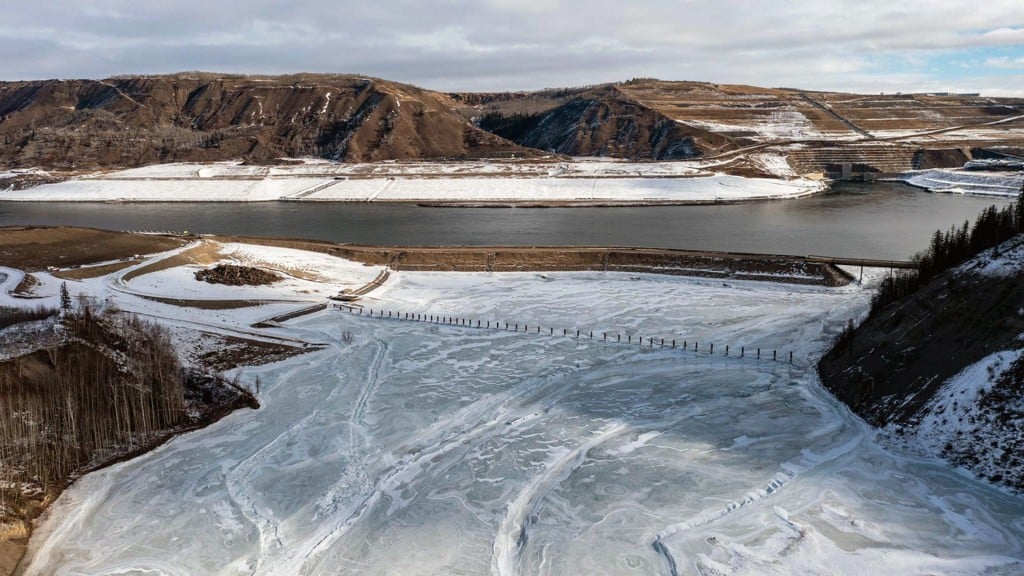
FORT ST. JOHN, B.C. — BC Hydro is seeking an amendment to Site C’s Environmental Assessment Certification (EAC) to leave structures at the bottom of the Peace River once construction finishes.
The existing EAC requires BC Hydro to remove debris and structures from the site “as soon as they are no longer required.”
If the request is approved, it would allow BC Hydro to leave 45 structures at the bottom of the reservoir, pending individual approval from the Environmental Assessment Office (EAO). BC Hydro says the total area taken up by these structures would be less than 20 hectares or approximately 0.21 per cent of the reservoir.
According to the letter of request from BC Hydro to the B.C. Environmental Assessment Office, the company is looking to leave structures that could “benefit” fish habitats.
Specifically, the application states removing debris and structures could cause harm to fish or fish habitats because it would “increase the risk of sedimentation and fuel spills from having equipment working in the river.”
The structures that may be left in the river include pieces of causeways, gravel pads, concrete abutments, concrete anchors, and pieces from diversion channels.
Bob Gammer with BC Hydro says a Qualified Environmental Professional would assess each structure to determine whether or not the EAO would permit them to be removed.
Latest Stories
“With new information, we thought that the Environmental Assessment Office would appreciate the understanding that there’s a possibility that removing them could pose more of a problem than leaving them,” Gammer said.
“If they decide in the end that the structures need to be removed, then we will remove them.”
These structures are also not the first concerns generated by the Site C project.
Wayne Sawchuck, a Peace region resident who had family members work on the W.A.C Bennett Dam in the 1960s, says he had a firsthand account of the impacts of the reservoir flooding and is concerned about the effect Site C will have on the land when it is filled.
Sawchuk says BC Hydro only looked at the short-term impacts of leaving the debris.
“They’re not telling you that over the long term, there’s going to be more impacts,” Sawchuck said.
“Leaving that kind of [stuff] in the water, to me, is not respectful and does not treat the land the way it should be treated.”
BC Hydro has constructed several fish spawning shoals to support the local fish populations once the reservoir has been filled. The company also has a fish and fish habitat management plan to direct work concerning fish populations, habitats, and migration.
According to BC Hydro, they are required to monitor and report the effectiveness of these fish spawning shoals to Fisheries and Oceans Canada (DFO).
There is no explicit statement within BC Hydro’s newest request whether or not this debris left would be under the same scrutiny.
BC Hydro states that none of the debris left would have “the potential for leachates,” such as treated lumber and that much of the structures being left were made from gravel from the Peace River or riprap mined from the Portage Mountain Quarry.
The $16 billion hydroelectric dam at Site C has been under construction since 2015.
Once completed, the dam is estimated to be able to produce enough electricity to power the equivalent of 450,000 homes.
According to BC Hydro, the filling of the Site C reservoir could happen as soon as fall 2023.
The complete request from BC Hydro to the Environmental Assessment Office can be read below:
Stay connected with local news
Make us your
home page
Authors

Related Articles
North Peace Museum offering Canada Day scavenger hunt and open house
The museum’s curator said the event on July 1st is an opportunity for residents to see the facility’s new temporary exhibit courtesy of the Charlie Lake Conservation Society.

City of Fort St. John hosting annual municipal report meeting
The City of Fort St. John will host it’s annual municipal report meeting on June 22nd at City Hall.