
‘We are resilient’: Northern Rockies evaluates response to Parker Lake blaze evacuation as 2025 wildfire season looms
The Northern Rockies Regional Municipality has evaluated its response to the Parker Lake fire in 2024 and is making improvements as 2025’s wildfire season fast approaches.
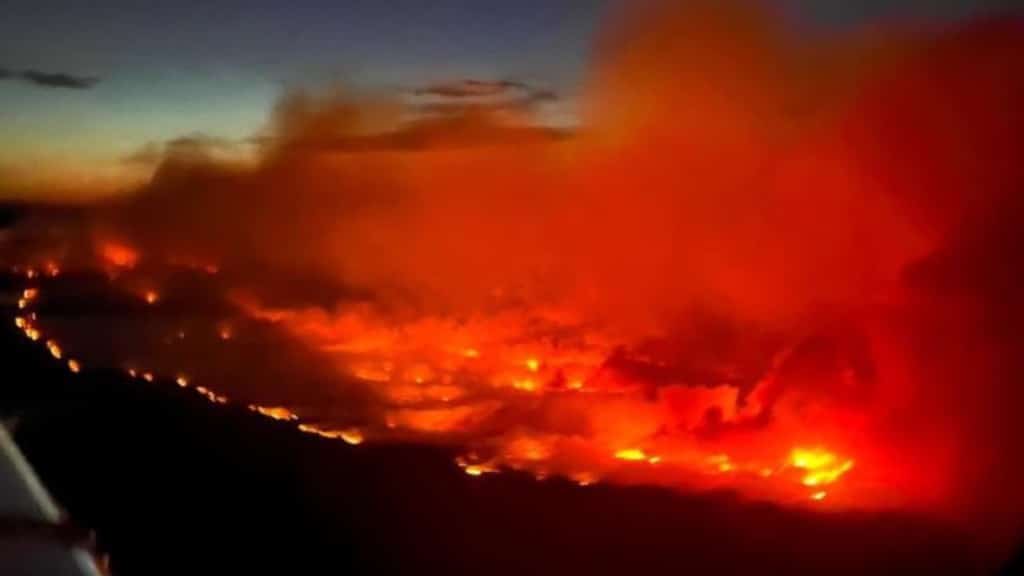
FORT NELSON, B.C. — The Northern Rockies municipality has evaluated its response to the Parker Lake fire in 2024 and is making improvements as this year’s wildfire season fast approaches.
Northern Rockies Regional Municipality (NRRM) said it is conducting more training for emergency personnel, hoping to improve collaboration with partner agencies and be clearer in its communication with the public as it evaluates its response to the Parker Lake wildfire.
It led to Fort Nelson and the surrounding area being evacuated for most of May 2024.
Local News Straight
to Your Phone
Download our app today!
Available on Android and iOS devices
As the 2025 wildfire season looms, Energeticcity.ca spoke to the NRRM for a breakdown of the Parker Lake incident: what went well, the areas of improvement, what is being planned heading into this year and more.
The wildfire ignites
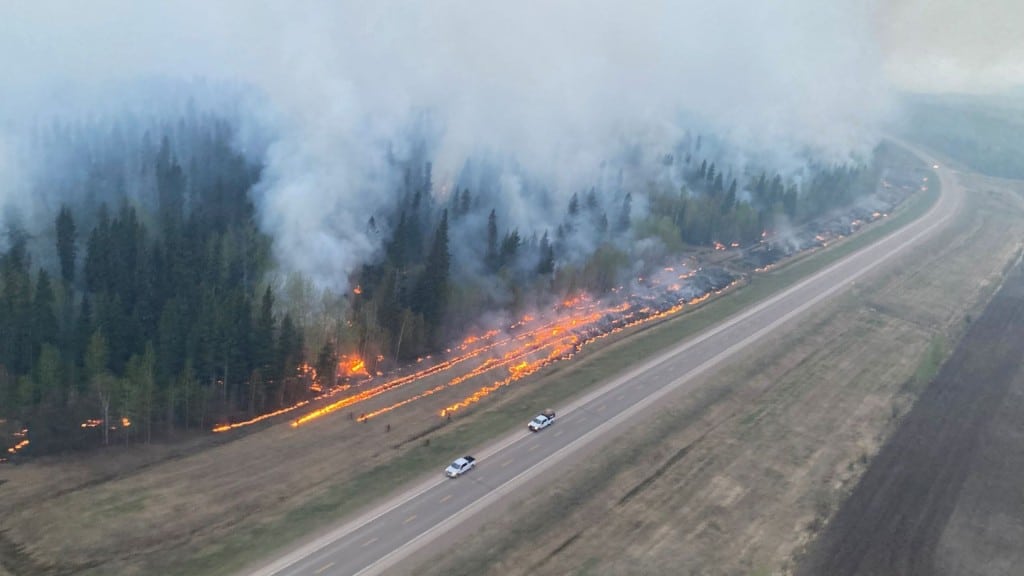
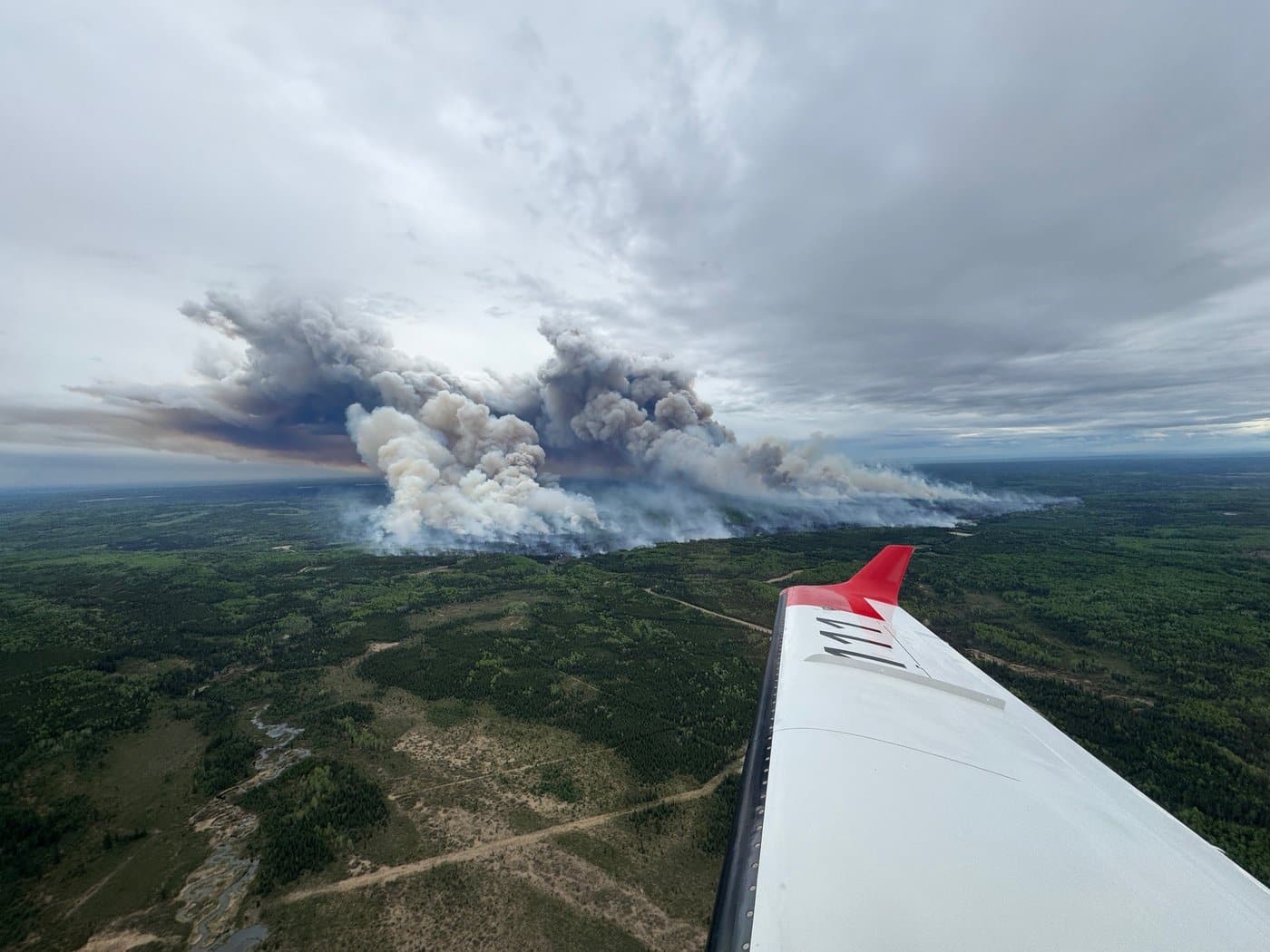
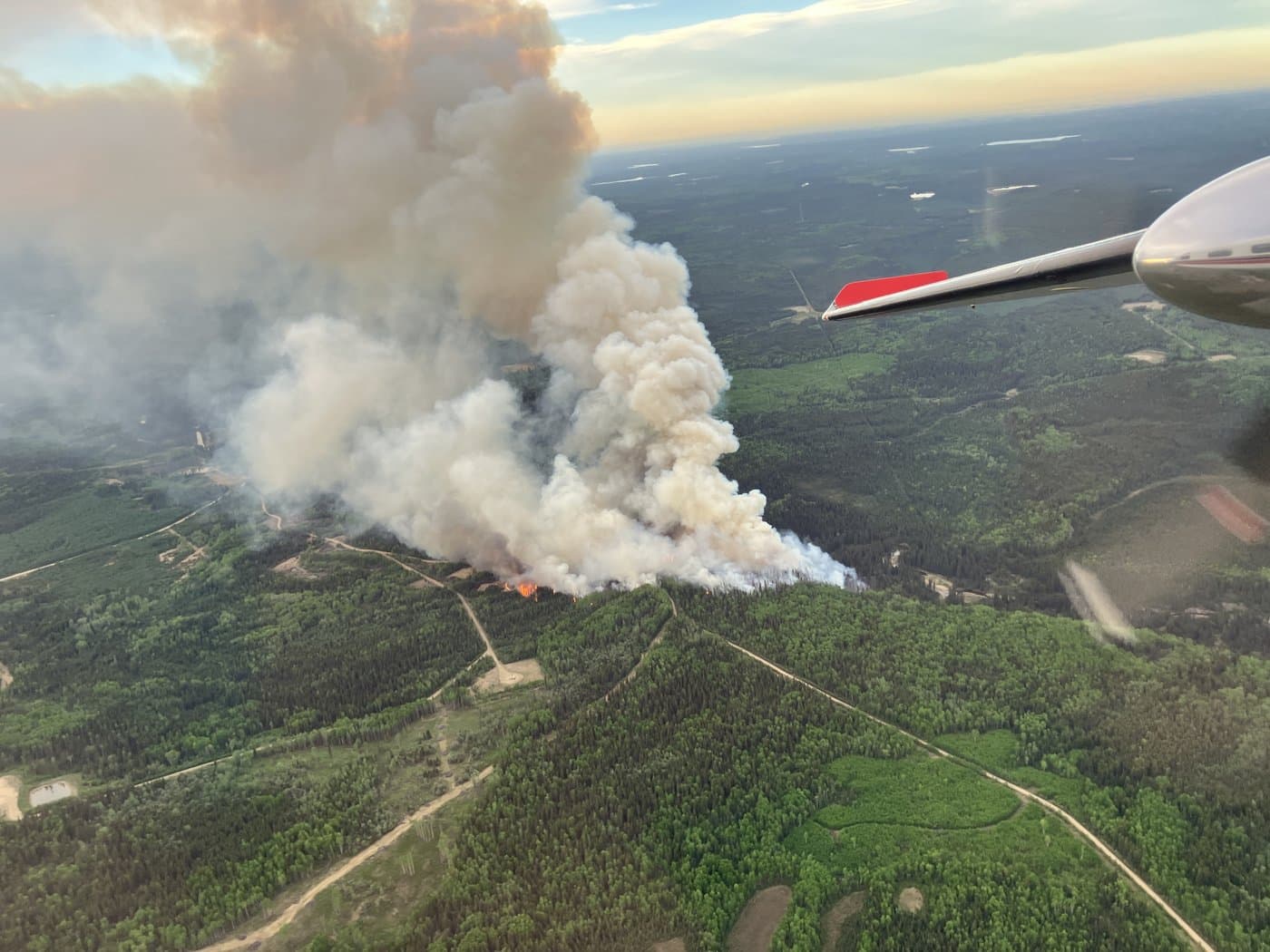
Less than two kilometres from Fort Nelson’s urban boundary, the Parker Lake wildfire ignited on Friday, May 10th, 2024 and quickly grew out of control.
“[The wildfire] exhibited unusually aggressive fire behavior in close proximity to Fort Nelson,” said the NRRM.
Latest Stories
The municipality said it was fortunate to have enhanced BC Wildfire Service (BCWS) resources in the area at the time, such as incident management and aerial teams.
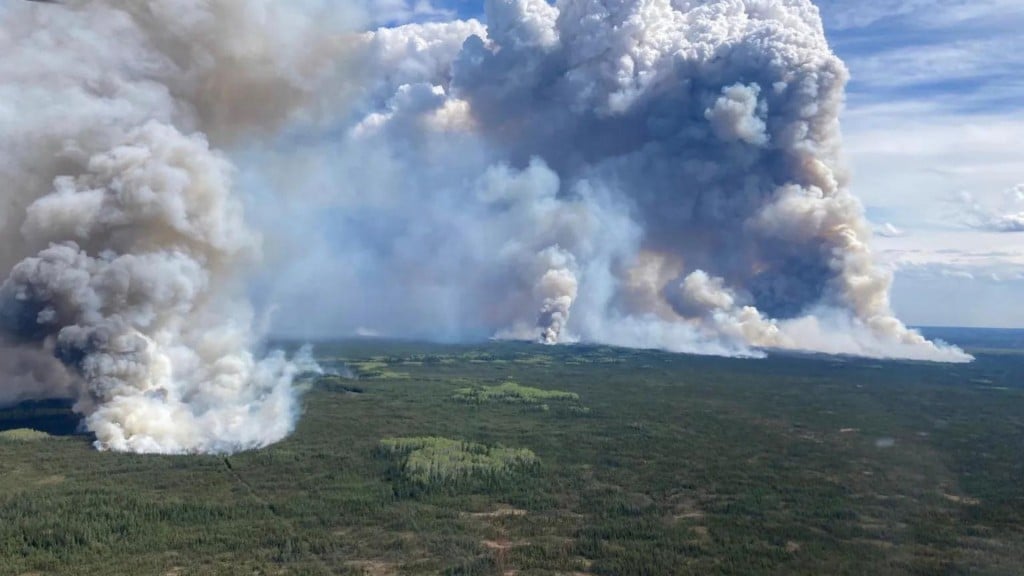
The wildfire eventually reached a size of 12,348 hectares, although it did not reach the town.
The evacuation
This led to a state of emergency being declared and a full evacuation order was issued.
The NRRM said its Emergency Operations Centre (EOC) executed several key actions.
“The community evacuation was carried out quickly and efficiently, ensuring that residents were evacuated safely and returned home without incident,” said the NRRM.
“Additionally, effective communication with residents led to positive feedback and gratitude from the community.”
Many of the subsequent evacuees came to Fort St. John, Dawson Creek and other nearby towns.
At the time, up to 3,000 were reportedly in Fort St. John and 400 in Dawson Creek.
The evacuees said they received generous support from the city and local businesses who donated resources, offered discounts and more.
According to CBC, 10 properties were damaged by the Parker Lake fire and of those, four were destroyed.
Three of the properties were occupied and one unoccupied, and not all of the remaining six damaged structures were homes; some were sheds and workshops.
The evacuation order was rescinded on May 27th and the fire brought under control on Friday, June 7th.
“The success of the evacuation and subsequent return was also complemented by the direct and in-person support of Ministry of Emergency Management and Climate Readiness staff within the EOC and the unwavering dedication of our neighbouring host communities who opened and staffed reception centres, held community events and welcomed our evacuated residents,” said the NRRM.
Some fires that begin in one season can continue burning underground throughout the winter before resurfacing the following season – this is called an ‘overwintering’ fire.
At the time of this writing, BCWS lists the Parker Lake overwintering blaze as “under control.”
The recovery
Lasting impacts from the Parker Lake fire have been felt not only in the community but by emergency responders and businesses.
“The landscape around the community in the wake of the Parker Lake fire has changed, particularly near the Parker Lake recreation site, and certainly for those who suffered a direct loss as a result of the fire,” said NRRM.
“When it was time to return, similarly, residents stepped up, whether it was to come back to re-open essential businesses or services or return with their families with the patience and understanding that Fort Nelson looked a little different than it did when they left.”
What went well
The municipality says pre-planning activities dating back to 2022 were beneficial, helping to develop relationships with different agencies
This includes collaboration with the EOCs of Fort Nelson First Nation (FNFN) and Prophet River First Nation (PRFN).
The NRRM praised EOCs, supporting agency staff and the community, the latter for being prepared and accepting the guidance and information provided in difficult circumstances.
“As a whole, the community demonstrated what locals know to be true – that we are resilient, generous and helpful to our neighbours, and look out for each other,” said the NRRM.
What could have been improved
When addressing what could have been done better, NRRM said it had not conducted multi-agency emergency exercises which may have improved coordination between the EOC and some assisting agencies.
“[This] would have avoided confusion and inefficiencies throughout the duration of the evacuation,” it said.
The major event highlighted what capacity was needed by the EOC to fulfill its duties and provide staff with much-needed rest and recovery time.
It was also noted the Parker Lake wildfire came in advance of what would normally be ‘wildfire season’ – and before multi-agency emergency exercises had been conducted.
An evacuation exercise had been planned three weeks after the blaze occurred.
Enhancing partnerships with local organizations and businesses around emergency response roles also may have strengthened overall preparedness and efficiency, NRRM said.
Looking ahead to 2025
NRRM said a post-incident review was done to identify key areas of improvement for future events.
This includes more training and development for emergency personnel, improved collaboration with partner agencies and clearer communication strategies during crises.
It added: “Currently, the NRRM is developing an external communication strategy which will improve how news is shared with residents, ensuring timely and accurate updates during normal operations as well as during emergencies.”
The NRRM council established a Community FireSmart and Wildfire Resiliency Committee in late 2024.
This has created an opportunity for the community to identify projects, increase public awareness and reduce the potential impacts of a wildfire near Fort Nelson in the future, through recommendations given to the board.
Stay connected with local news
Make us your
home page
Authors

Related Articles
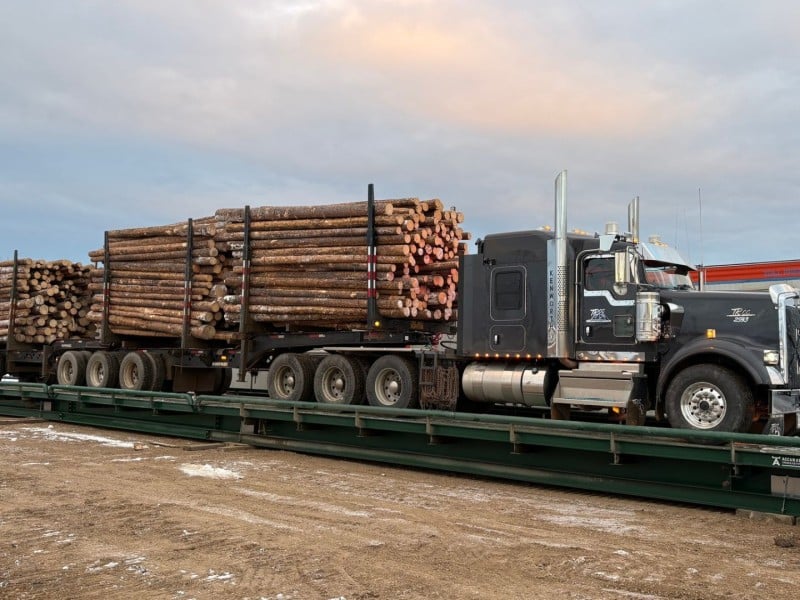
Fort Nelson community forest uses salvageable lumber funds for replanting
The Fort Nelson First Nation and Northern Rockies Regional Municipality gave an update on the sales of salvageable wood in its community forest.
Fort St. John seeks new emergency support volunteers as wildfire season approaches
The City of Fort St. John is looking for volunteers to help the community during evacuations and other emergencies.
Nearly 200 forest fires fought in northeast B.C. during wildfire season 2025
Wildfire season 2025 saw 199 blazes in northeast B.C., while the province saw 1,350 in total.