
River Forecast Centre expert says spring precipitation, not snowpack, is key for ending drought
Springtime precipitation will be a major factor in the end of the ongoing drought in our area, according to the River Forecast Centre.
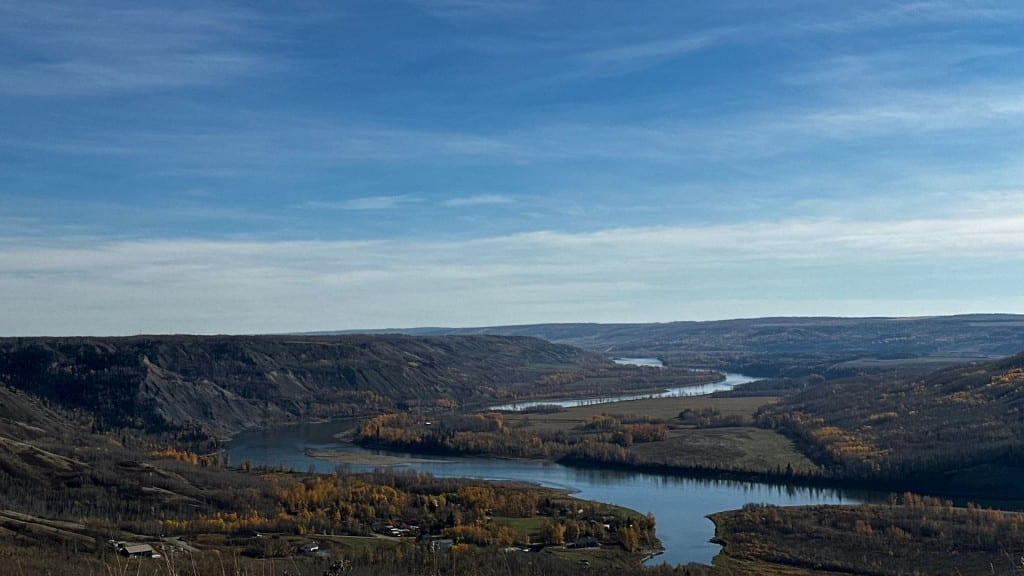
FORT ST. JOHN, B.C. — Despite improvements in the snowpack over 2024, springtime precipitation will be a major factor in whether drought conditions in the northeast change this year.
That’s according to Jonathan Boyd from the BC River Forecast Centre.
Boyd was interviewed on the March 14th episode of This Week in the Peace, where he specified that northern areas in the province, including the Peace region, have been “healthier” in terms of snowpack than the rest of B.C.
Local News Straight
to Your Phone
Download our app today!
Available on Android and iOS devices
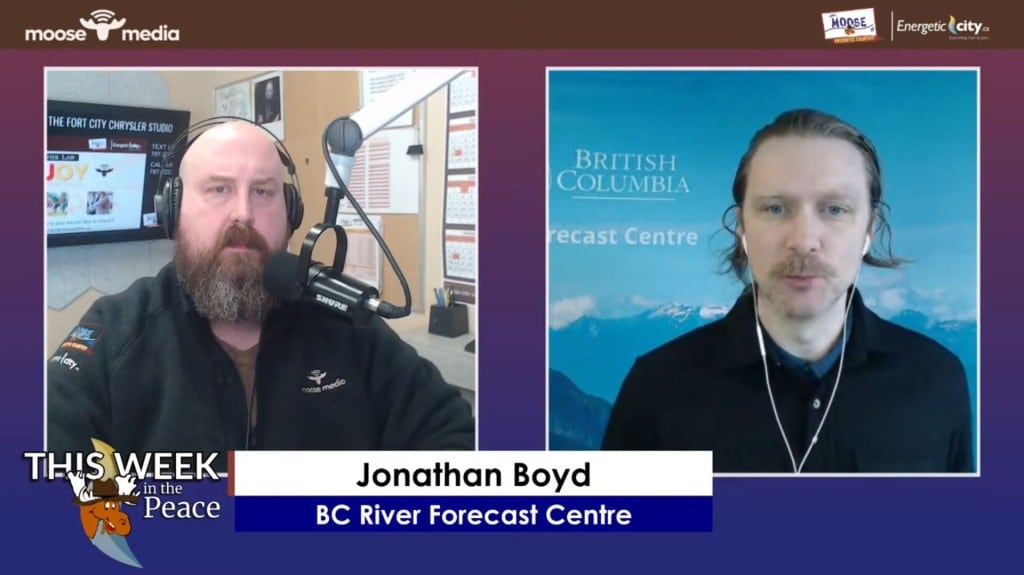
“The Peace was coming in at 79 per cent of normal, so above the provincial average,” Boyd explained. “And then the Liard [was] at 98 per cent of normal, actually the highest in the province.”
The provincial average was 73 per cent of normal.
However, he said there are some challenges associated with gathering data for those two areas.
Latest Stories
The Liard region, which contains Fort Nelson and the Northern Rockies Regional Municipality, only has two automated snow monitoring stations, both in what Boyd called “relatively low-elevation areas,” which can provide an incomplete picture of snowpack in the area as a whole.
As for the Peace region, Boyd claimed most monitoring data has historically come from the Williston Lake basin, courtesy of BC Hydro.
“In the last 10 years, with Site C, [BC Hydro has] started to put more automated stations now outside of the Williston basin, upstream of where Site C is,” Boyd explained. “It’s just that because they don’t have that long of a record, we can’t compare it to a normal period of 30 years, so we just need to be patient for the data to eventually come in.”
Boyd claimed low snowpack is an indication of potential drought conditions as winter turns to spring, which means the increased snowpack in the north could impact the wildfire season.
His main concern on that front was that the northeast has seen elevated wildfire numbers and increased drought conditions since 2022.
“I’ve been doing this as one of my main gigs for almost eight years now, so I follow each of the bulletins quite closely, and 2022 was a year where it was almost like spring didn’t happen,” he said. “We just stayed in winter, and finally got the melt happening in late June and July, but in 2022, the rains just stopped.”
That dry period led to a drought that exacerbated the 2023 wildfire season, the lingering effects of which the region is still recovering from.
“At least we’re not following up a dramatically low year of precipitation like we were last year, but so much will depend on the precipitation [this spring].”
The River Forecast Centre publishes monthly reports outlining snowpack conditions across the province. Boyd says the next bulletin will be posted in early April.
Stay connected with local news
Make us your
home page
Authors

Related Articles

Court Report: March 2nd to 6th
Today’s court report contains all the sentences handed down in the Peace region between March 2nd and 6th, 2026.
Strong winds cause power outages across B.C. overnight
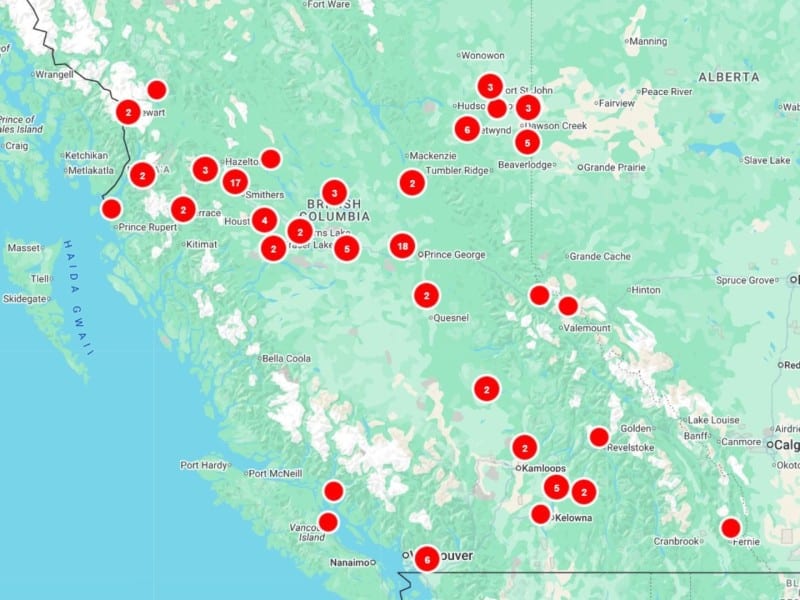
BC Hydro has reported nearly 70 power outages overnight on March 7th and 8th across B.C. amidst a yellow wind warning.
B.C. government to keep antlers and hide after decision overturned in guided hunt case
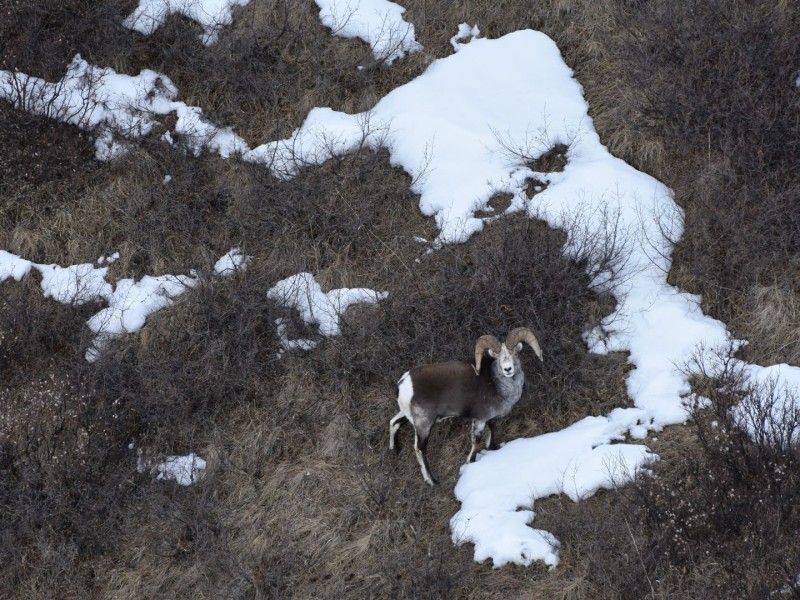
Zachary McDermott was found guilty of killing a mountain sheep out of season on a guided hunt. B.C. is keeping the antlers and hide after an appeal which overturned a previous decision.