
Treaty 8’s past, present and future displayed at workshop event
The Treaty 101 Workshop event was hosted by Doig River First Nation and the Fort St. John Chamber of Commerce on March 11th in Fort St. John.
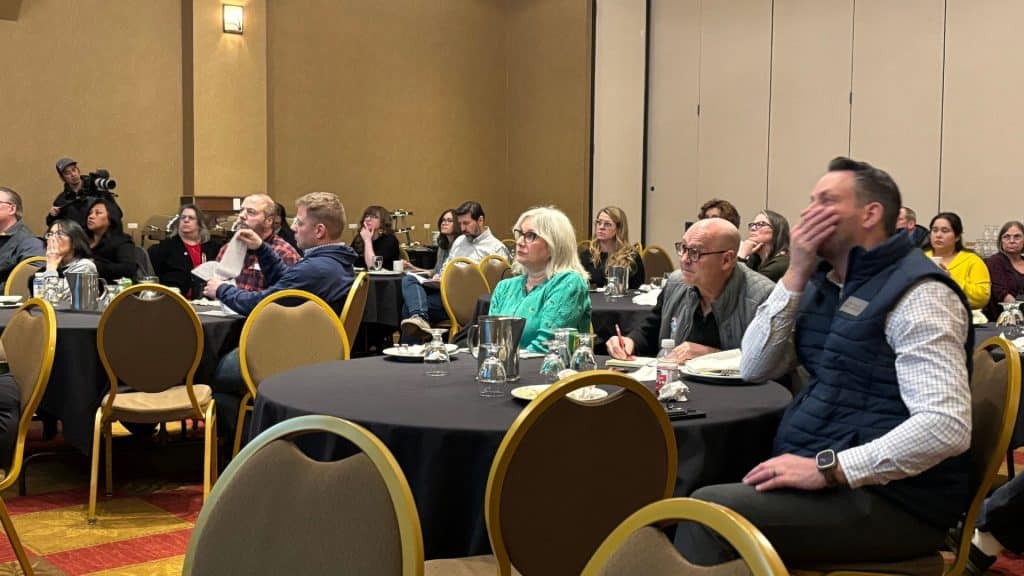
FORT ST. JOHN, B.C. — History class was in session for attendees at a workshop about Treaty 8’s long and “litigated” past.
The event was hosted by Doig River First Nation (DRFN) in partnership with the Fort St. John Chamber of Commerce on March 11th at Fort St. John’s Pomeroy Hotel and Conference Centre.
DRFN Chief Trevor Makadahay was hopeful the presentations would “open doors” for further business opportunities with the community.
“It’s important, especially for the educating and just having the facts,” said Makadahay. “To know what’s going on and what our nation is up to.”
“It might spark something. Maybe a business idea that a company can collaborate with us.”
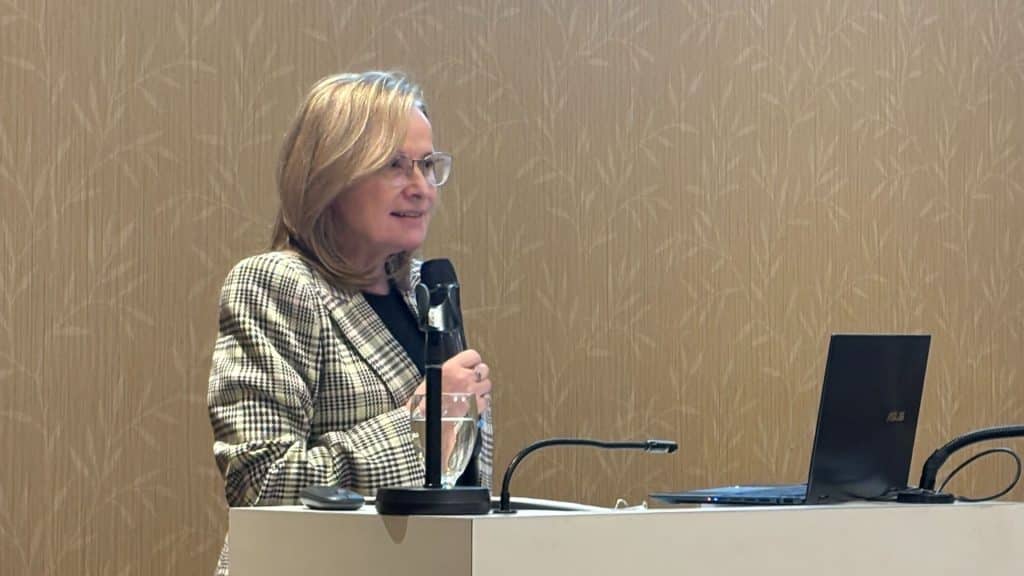
The luncheon was led with presentations from DRFN legal counsel Allisun Rana and band manager Shona Nelson.
Latest Stories
Rana has been legal counsel for First Nations communities for 25 years and resides in Calgary, which is located within Treaty 7 territory.
She led attendees through a history of nationwide treaties between representatives of the British monarch and Indigenous communities, beginning with the Peace and Friendship Treaties in the 1700s and ending with Treaty 11, which was signed in 1921.
Treaty 8, which encompasses 840,000 square kilometres and stretches from Saskatchewan to the Northwest Territories, was first signed by Alberta and Saskatchewan First Nations in 1899.
The federal government was motivated to make the agreement by the influx of settlers drawn to the region by the Klondike Gold Rush.
However, it was not until 1900 that the then Fort St. John Beaver Band—which were descendants of Blueberry River First Nations and DRFN—would sign on, as the Indigenous communities had gone to their traditional hunting territory and dignitaries did not arrive in Fort St. John until late 1899.
It wasn’t until 1910 ancestors of Fort Nelson and Prophet River First Nations signed the agreement.
Starting with the fur trade and the partnership between the first European settlers and Indigenous communities, Rana led attendees on a journey through the Doctrine of Discovery, the signing of Treaty 8, cases involving the Supreme Court and First Nations, and the United Nations Declaration on the Rights of Indigenous Peoples (UNDRIP).
Rana said Treaty 8 is one of the “most litigated treaties” due to the vast amount of resources in the land, which include the Alberta oil sands and the Montney Formations in Northwest Alberta and Northeast B.C.
“Many of the guiding legal principles we still use today come from historic relationships and historic commitments,” said Rana. “Before the Europeans arrived here in North America, Indigenous people were here.”

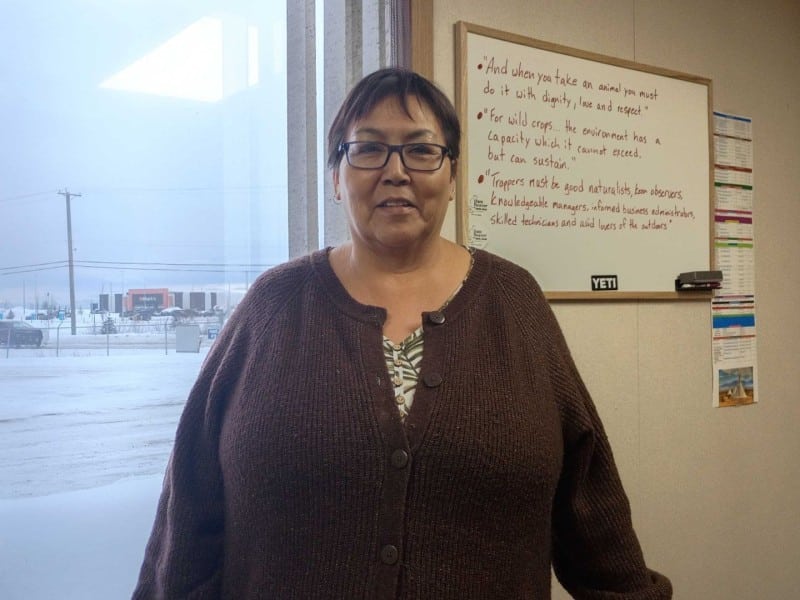
Nelson took the mic following the presentation to speak about DRFN’s current projects – including its new education and cultural centre and DRFN’s college and career prep program.
The first cohort of the program began in January, with elders and other community members studying on DRFN grounds, located in the new Cutural Experience Centre.
She said the amount of nation elders taking the program was “surprising.”
“I think because they had that bad experience [at] public school or at Indian day school,” said Nelson. “Indian day schools were run by [federal department of] Indian Affairs on the reserve.
“Doig had two – one run on reserve and one in Peterson’s Crossing. There were some rough experiences that happened.”
She also examined partnerships – including with industry, local cities and the community’s neighbours – on their road to achieving economic self-sufficiency.
Highlights included the development of infrastructure including the Naache Commons Urban Reserve in Fort St. John, and partnerships with companies such as Kathairos Solutions as important.
In a full circle moment, Nelson pointed to the Nation buying a part of the old Montney Reserve in 2024.
The Beaver Band’s initial reserve was determined in 1916. However, the land was surrendered to the federal government following the Second World War.
“We were able to buy back a piece from some farmers,” said Nelson. “That was a very significant day for our community.”
DRFN will next host the second Reawakening of Our Language event on April 24th and 25th at the Pomeroy Sports Centre in Fort St. John.
Stay connected with local news
Make us your
home page
Authors

Related Articles
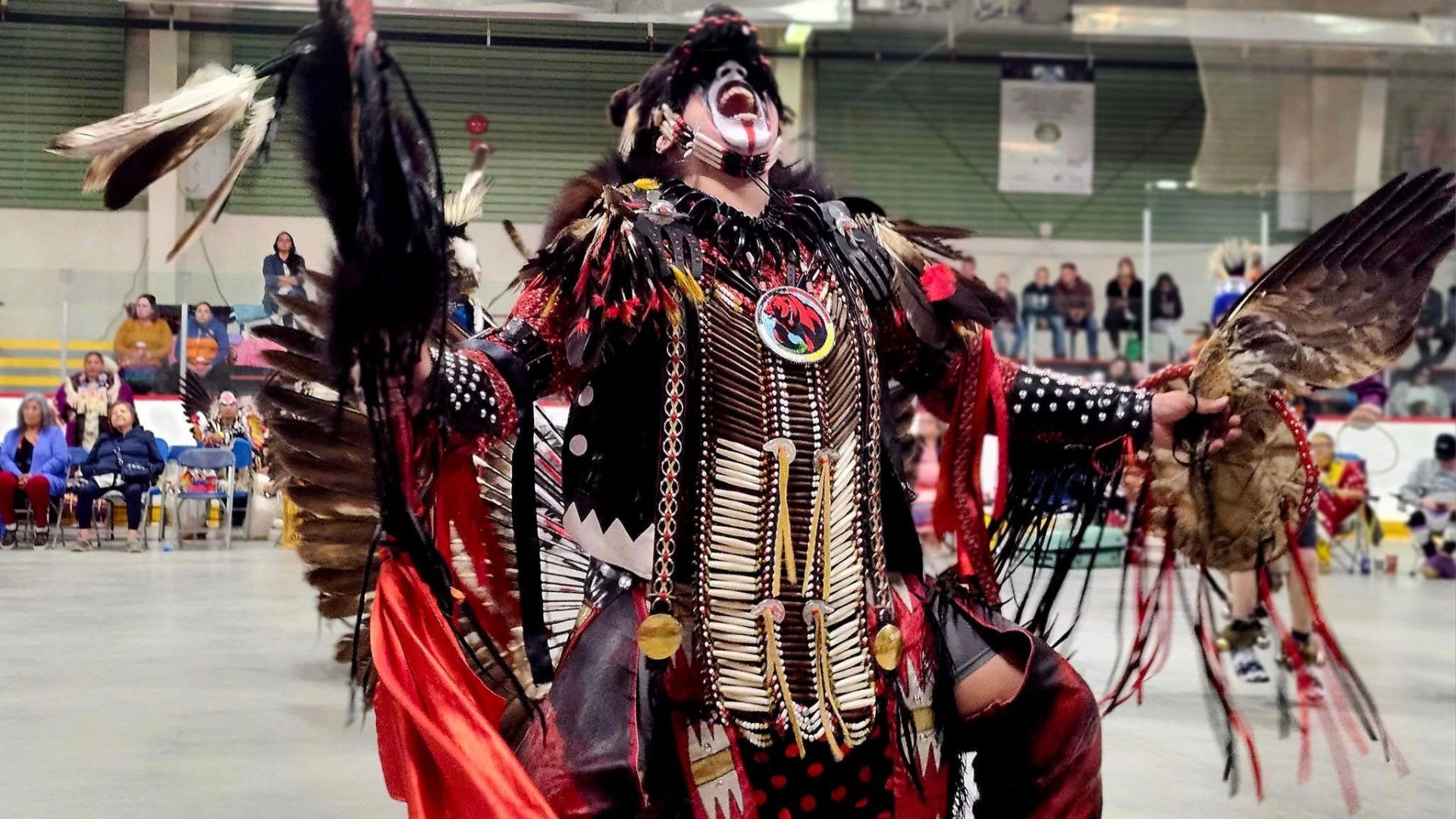
Spirit of the Peace Pow Wow postponed until 2027
The Spirit of the Peace Pow Wow’s board outlines “significant changes” to the board’s structure as the reasons behind the cancellation.
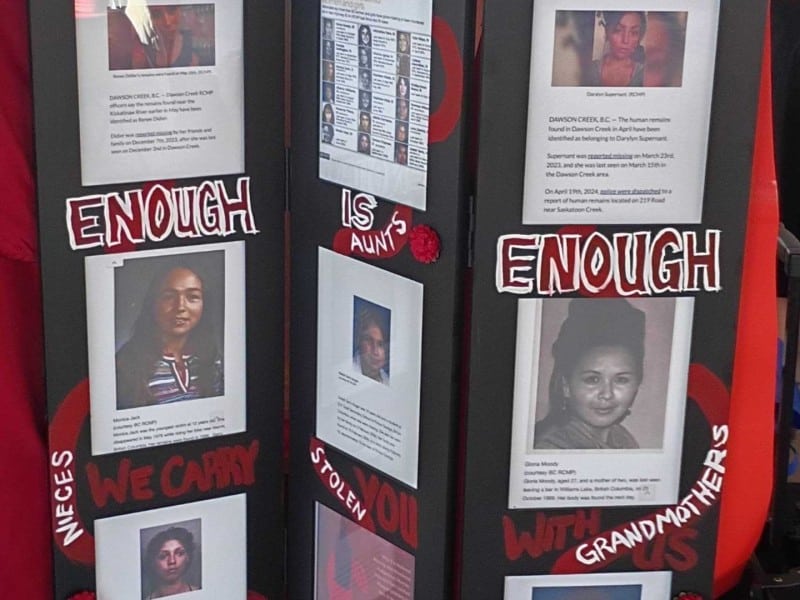
FSJ commemorates Red Dress Day with twilight walk and artisan market
Red Dress Day on May 5th marks commemorating and acknowledging Murdered and Missing Indigenous Women and Girls (MMIWG)
Blueberry River First Nations signs revenue-sharing agreement with pipeline construction company Strait
The agreement with Strait announced in April means the company will be the official pipeline and mechanical contractor partner to Blueberry River First Nations