
Chetwynd council discusses Klinse-za Park expansion controversy
Councillors raised concerns at Chetwynd’s July 2nd meeting, that the B.C. government has not effectively communicated its intentions regarding the Klinse-za Park Park expansion.
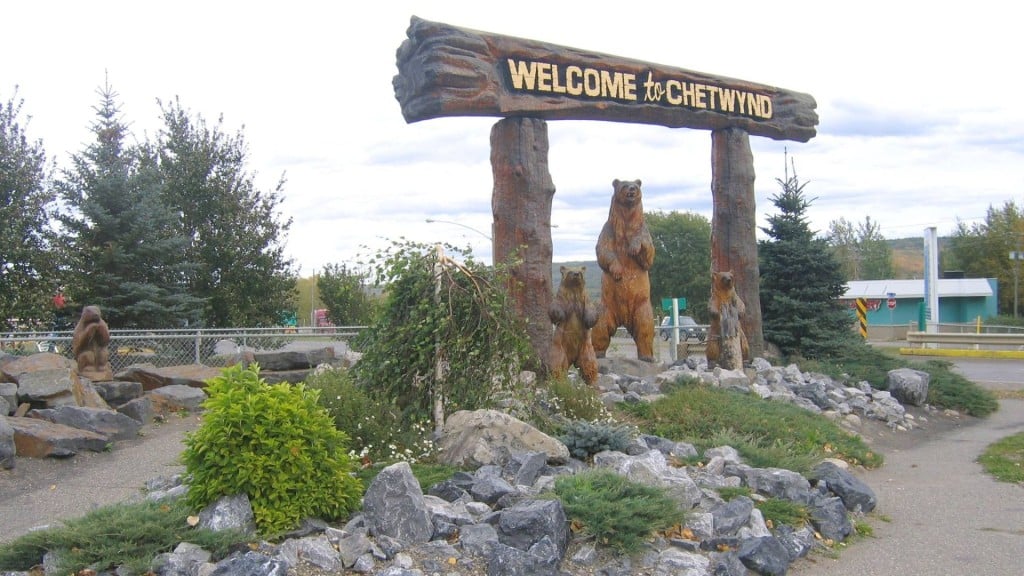
CHETWYND, B.C. — Councillors raised concerns at Chetwynd’s July 2nd meeting, that the B.C. government has not effectively communicated its intentions regarding the Klinse-za Park Park expansion.
The B.C. Ministry of Environment and Climate Change Strategy put out a news release on June 14th explaining that the park expansion will better protect sacred sites and wildlife habitats, and contribute to the goal of protecting 30 per cent of B.C. lands by 2030.
The park expansion is the result of a 2020 partnership agreement between the governments of B.C., Canada, Saulteau First Nations, and West Moberly First Nations. The agreement commits all partners to take action to help stabilize and increase southern mountain caribou populations to self-sustaining levels in northeastern B.C.
In the release, George Heyman, minister of Environment and Climate Change Strategy illustrated the issues surrounding southern mountain Caribou in British Columbia.
“Protecting and recovering threatened species and their habitat is a shared responsibility and priority for B.C., Canada, and First Nations that requires everyone to work together,” said Heyman.
“The decline in caribou is a complex problem, and we continue our work to stabilize populations.”
The news release says the caribou population has declined by more than 55 per cent, and fewer than 4,000 are left in the province.
Latest Stories
The new park expansion will house an existing penning site for caribou – operated by the Nîkanêse Wah tzee Stewardship Society – a collaborative, non-profit organization between West Moberly First Nations and Saulteau First Nation – as well as other at-risk species, including fishers, bull trout, grizzly bears and wolverines, within its boundaries.
Chief Administrative Officer Steve McLain explained that representatives of Chetwynd or local First Nations were not present at any meetings.
“There was not any local meeting or anybody in attendance from local First Nations or local government, it was just a press release from the province.”
Councillor Julia Nelson pointed out the importance of the program while reiterating the provincial government’s lack of communication.
“We all recognize that it is important, we all recognize that our nations really do care about it,” said Nelson.
“I feel like we do need to be involved in some consultation, and I hope that the ministry sees and hears us and doesn’t leave us out,” Nelson continued.
The release concludes by saying the province will collaborate with First Nations and other partners to develop a park management plan that involves public engagement.
Deputy Mayor Bonnie Huhn said she does not believe the ministry handled the issue correctly and didn’t include council in the decision-making process.
“I just hope that the blame or the responsibility falls on the ministry rather than any of our local organizations,” said Huhn.
The news release can be viewed below:
Stay connected with local news
Make us your
home page
Authors

Related Articles
Tumbler Ridge shooting victim makes ‘incredible improvement’
The CT scans of Maya Gebala, a Tumbler Ridge school shooting victim, are showing “incredible improvement,” according to her father.
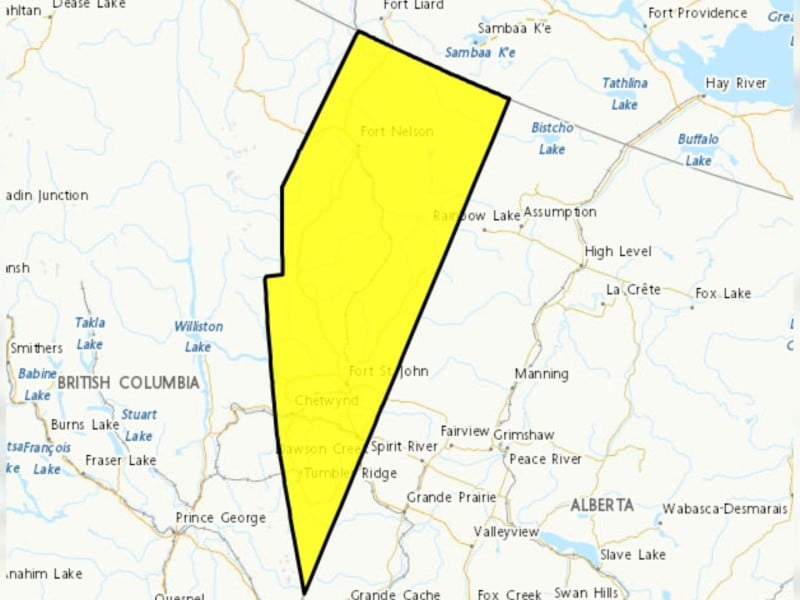
Yellow wind warning issued for Peace and Fort Nelson regions, with possible 100km/h gusts forecast
Environment Canada has predicted a low-pressure system to bring wind gusts of around 100km/h to the Peace River district and Fort Nelson on March 7th and 8th.
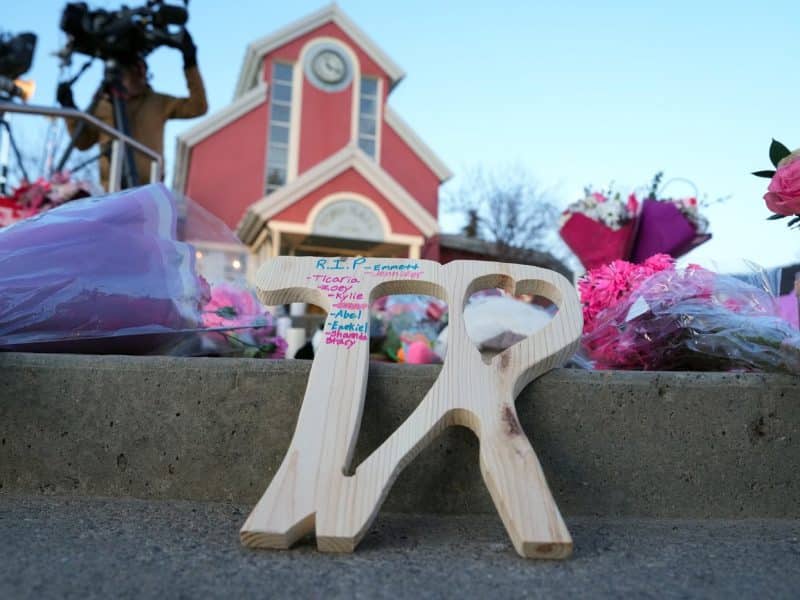
Two B.C. chambers seek AI ban for kids after Tumbler Ridge mass shooting
Tumbler Ridge and Prince George chambers of commerce are calling for children under 16 to be banned from using AI tools and social media following a mass shooting in Tumbler Ridge, the perpetrator of which was banned by OpenAI months before the killing for violating its policies.