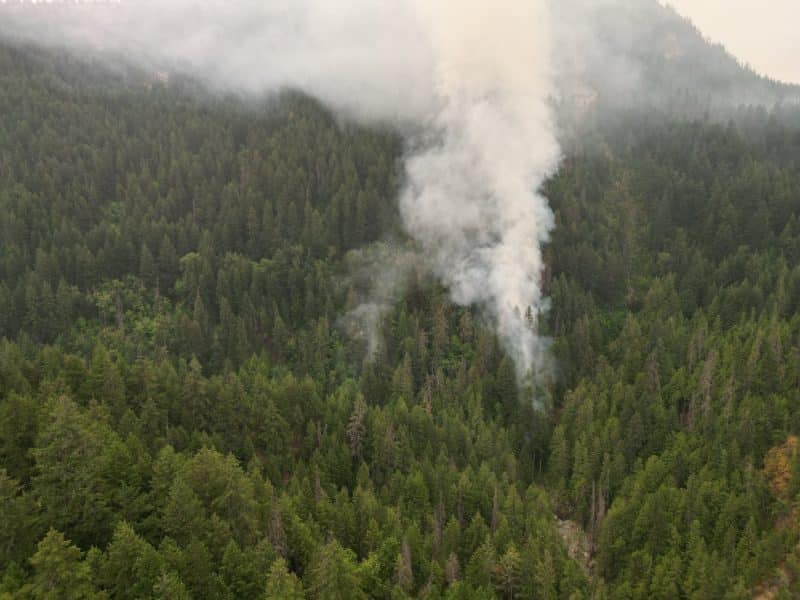
B.C.’s First park expansion in a decade protects caribou
The first provincial park expansion in a decade will see some 200,000 hectares of protected space for Caribou and other species located in northeastern B.C.
CHETWYND, B.C. —- The first provincial park expansion in a decade will see some 200,000 hectares of protected space for Caribou and other species located in northeastern B.C.
The Ministry of the Environment said in a statement on June 14th that the Klinse-za Park, located southwest of Chetwynd, is part of the province’s goal of protecting 30 per cent of B.C. lands by the year 2030.
Expanding the park is part of a deal reached in 2020 between the province, the federal government, Saulteau First Nations, and West Moberly First Nations. That agreement included helping to protect and stabilize the population of Caribou.
Local News You Can Trust
Label us as a Preferred Source to see our stories more often
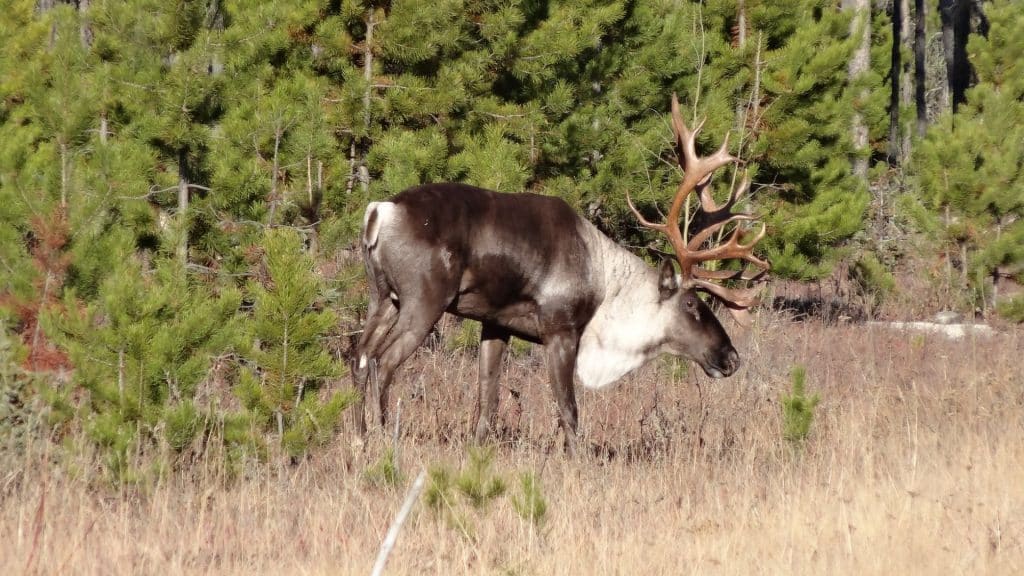
In the past century, the population of Caribou declined by 55 per cent, leaving only about 4,000 southern mountain caribou in B.C., according to the province.
The new park expansion will house an existing penning site for caribou – operated by the Nîkanêse Wah tzee Stewardship Society – a collaborative, non-profit organization between West Moberly First Nations and Saulteau First Nation – as well as other at-risk species, including fishers, bull trout, grizzly bears and wolverines, within its boundaries.
Direct recovery actions, including the maternal penning projects, have successfully grown the local Klinse-za herd from 36 caribou in 2013 to 138 today.
West Moberly First Nations Chief Roland Willson says news of the park expansion means finding balance in traditional ways and fostering new methods for First Nations.
Latest Stories
“Since time immemorial our ancestors have lived in harmony with these lands, and we strive to continue to walk in these footsteps laid before us,” said Wilson. “The teachings were to leave no trace nor impact as you pass through the lands.”
“Treaty No. 8 promises us the ability to carry on a way of life, free from forced interference, now and in future, as if we had never entered into the Treaty. We will continue to pursue a better path towards recovering caribou and finding balance.”
The Government of Canada has provided $46 million to support compensation for industries and tenure holders affected by the implementation of the Partnership Agreement, and $10 million to support a regional economic diversification trust for the region.
Provincially, the government will work collaboratively with First Nations and other partners to develop a Klinse-za/Twin Sisters Park management plan that will also involve public engagement.
Stay connected with local news
Make us your
home page
Authors