
Inquest into Jaime Hope’s Death uncovers critical medical insights
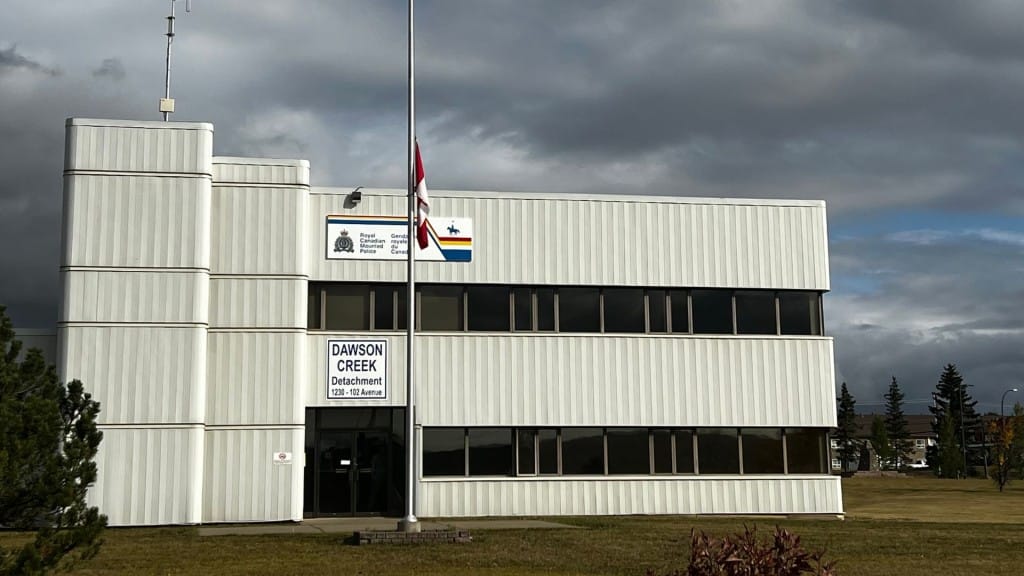
The third day of the coroner’s inquest into the death of Jamie Hope in April of 2019 featured testimony from medical professionals involved with Hope’s care in Dawson Creek and Prince George.
Readers are advised that this story may be disturbing to some as it describes medical procedures, death, and sex acts.
FORT ST. JOHN, B.C. – The third day of the coroner’s inquest into the death of Jaime Hope in April of 2019 featured testimony from medical professionals involved with Hope’s care in Dawson Creek and Prince George.
The inquest was ordered by the B.C. Coroners Service in May, and is intended to shed light on the circumstances of Hope’s death.
Local News Straight
to Your Phone
Download our app today!
Available on Android and iOS devices
Following testimony from arresting officers, a close friend, a forensics expert, and civilian guards at the Dawson Creek precinct in the first two days, the third day of testimony featured paramedics and doctors who cared for Hope.
Tailher Webber, one of the paramedics who responded to the precinct, was the first to testify about her interactions with Hope.
These included caring for her, driving her to the emergency department, and performing chest compressions when Hope’s heart stopped beating.
Webber explained to inquest counsel Rolf Warburton that she decided to transfer her to the hospital after a quick assessment of Hope on the floor of her cell.
Latest Stories
Shortly after loading Hope into the back of the ambulance, Hope’s heart stopped beating, causing the paramedics to begin chest compressions to keep blood circulating throughout Hope’s body.
“My understanding was that she ingested drugs or a substance of some sort, and that was what caused her heart to stop,” Webber said.
During the first day of the inquest, arresting officer Karlee Vanhie was asked by the jury if she had asked Hope at any time if she had consumed drugs. Vanhie stated she could not remember.
Upon being booked into the Dawson Creek precinct, Hope was strip-searched by Vanhie, a fact which civilian guard Donald Laythorpe said he noted when he saw Hope put her hand down her pants a few hours following her placement in a cell.
One of two civilian guards responsible for monitoring precinct prisoners, including Hope, on April 13th, Laythorpe testified on the second day of the inquest that he saw Hope put her hand down her pants and appeared to begin to masturbate in her cell.
Her erratic actions contributed to Laythorpe’s decision to alert police officers within the precinct of Hope’s behaviour and later call an ambulance.
Webber was asked by both the jury and Warburton if Hope’s deteriorating health could have been a result of drugs she consumed before her arrest, and she said it was possible, depending on the substance.
“It could be slow going, whether it was just strictly the substance, depends on how she took it, how much, all that kind of plays into it, so it could have been a timing thing. If the ambulance was called earlier it might have made a difference, but she slowly deteriorated,” Webber said.
The inquest continued with interviews with medical professionals who cared for Hope in Dawson Creek and Prince George Hospital, where she was transferred due to her critical condition.
Then Dawson Creek emergency department physician Dr. Popa confirmed Hope was overdosing on drugs and her heart was not beating when she arrived at the hospital.
Dr. Popa told Warburton that medical staff were able to restore Hope’s heart rate six minutes after her arrival at the hospital. Medical staff administered Naloxone, a medicine that rapidly reverses an opioid overdose, but the medication appeared unsuccessful in relieving Hope’s overdose symptoms.
Dr. Popa testified she immediately arranged to transfer Hope to Prince George Hospital, where she was sent within eight hours of her arrival. This transfer was essential due to her critical condition, which Dr. Popa stated needed a higher level of care than Dawson Creek was able to provide.
She explained that patients who have heart attacks are automatically arranged to be transported, as these patients are considered unstable, and their health can quickly deteriorate again.
When asked by Warburton, Dr. Popa confirmed that the medical staff in Dawson Creek did everything possible to care for Hope.
Dr. Ariana Hughes was a physician at Prince George Hospital who cared for Hope until her death.
Approximately 10 hours after her heart originally stopped beating in the Dawson Creek ambulance, Hope was so sick that Dr. Hughes testified that medical staff in Prince George could not even move her off her bed without her dying.
During her testimony, the physician told Warburton she had noted that Hope would likely not make it through the night despite ‘maximum medical intervention.’
Hours later, Hope’s heart stopped again, and despite several minutes of resuscitation efforts from medical staff, she was declared dead shortly after 1:30 a.m. on April 14th, 2019.
Dr. Hughes explained that Hope’s case stands out to her to this day, as in addition to her being young, the overdose happened in police custody rather than from an individual brought in from the street.
Dr. Graham Jones, who spoke to the court about the different ways that drugs can be consumed and absorbed, and Dr. Jason Doyle, the doctor who performed Jamie Hope’s post-mortem on April 17th were also interviewed for the inquest.
Dr. Doyle confirmed that Hope passed away because of methamphetamine toxicity, also known as an overdose of methamphetamine. Hope’s heart became unable to work, which led to multi-organ failure, impacting her brain and leading to her death.
Dr. Doyle concluded the day of testimony by testifying that there were no vessels, illicit substances or traces of such items found in Hope during the autopsy.
After hearing five days of witness testimony, the jury can recommend training or procedural changes if necessary. No legal responsibility will be taken after the conclusion of the inquest.
The jury will hear testimony from witnesses and experts throughout the week and commence their deliberations after the final witness speaks on June 21st.
Energeticcity.ca will continue to follow this inquest throughout the week of testimony and subsequent jury deliberation.
Stay connected with local news
Make us your
home page
Authors

Related Articles
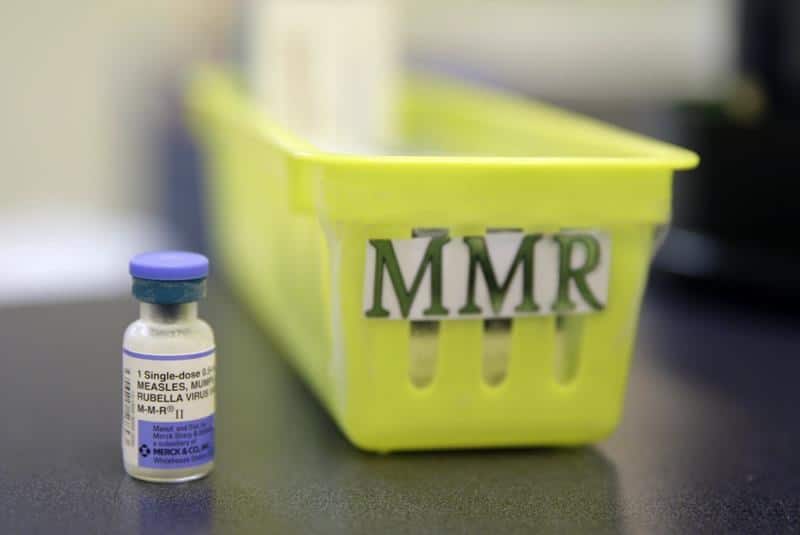
Warning issued of new measles exposure in Montney area
Northern Health warned of the exposure on Thursday, January 22nd at the Montney Mennonite Church at 12537 256 Road between the hours of 10 a.m and 2 p.m.

Head of local non-profit temporarily banned from social work while she awaits hearing on allegations
Lisa Jewell, executive director of the Wellness Truth and Families foundation in Fort St. John, has been temporarily banned from social work by the BC College of Social Workers.

A search for mental health answers amid the trauma of Tumbler Ridge shootings
Dr. Arash Javanbakht, a psychiatrist and the founding director of the Stress, Trauma and Anxiety Research Clinic at Wayne State University in Michigan, said there is a high likelihood of PTSD, depression or anxiety in the aftermath of an event like the Tumbler Ridge shooting on February 10th.