
Farmland values in Northern B.C. drop by 3.2% in 2023
pastureland in the north saw the second biggest rise provincially, with values increasing by 8.4 per cent, or at $1,700 per acre
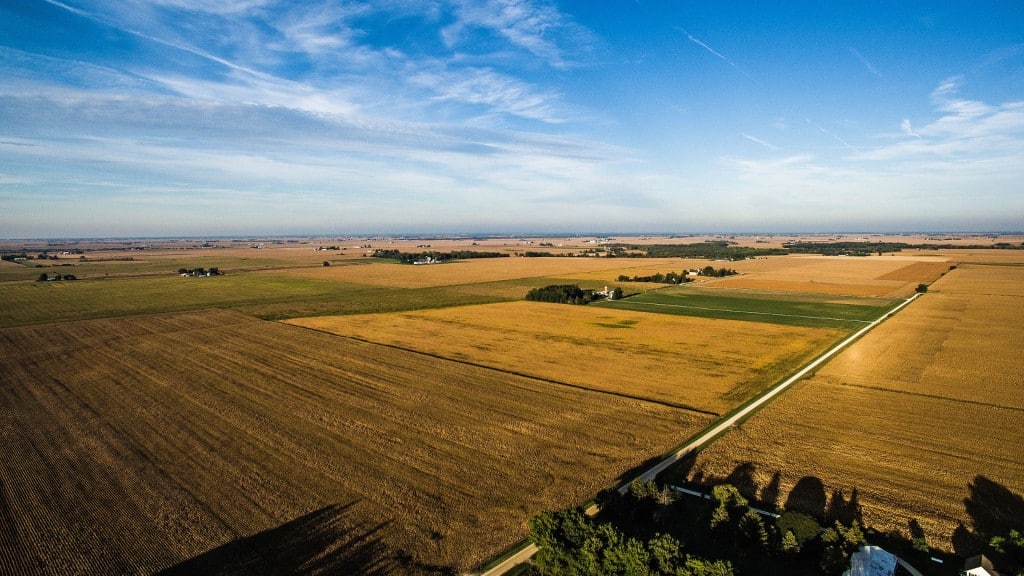
FORT ST. JOHN, B.C. — Farmland values in Northern B.C. dropped by 3.2 per cent in 2023, a reflection of the province-wide decrease, according to the latest report from Farm Credit Canada (FCC).
The FCC Farmland Values Report is released annually, highlighting the changes in farmland values nationwide.
B.C. is the only province in Canada that saw an overall decrease in farm values, dropping by 3.1 per cent.
Local News Straight
to Your Phone
Download our app today!
Available on Android and iOS devices
“B.C.’s is a market where land values on a per-acre basis are also the highest on average,” according to the FCC.
In 2023, farms in Northern B.C. were priced at an average of $2,100 per acre and a range of $800 to $3,100 per acre.
Compared to 2022, prices per acre dropped $100 from $2,200, primarily due to properties in the region being on the market for extended periods, according to the FCC.
Despite the fall in property value, pastureland in the north saw the second biggest rise provincially, with values increasing by 8.4 per cent, or at $1,700 per acre.
Latest Stories
The biggest drop in B.C. was in the South Coast region, where values dropped by 19.3 per cent.
In contrast, some regions in B.C. did see an increase in farmland value. Cariboo-Chilcotin saw a growth of eight per cent, while the Kootenay region saw a 7.6 per cent increase.
The FCC says demand was strong for properties on the east side of the Fraser River.
Nationally, farmland values rose by an average of 11.5 per cent in 2023.
The largest increase was in Saskatchewan, where values shot up by 15.7 per cent, followed by Quebec at 13.3 per cent, and Manitoba at 11.1 per cent.
“Saskatchewan’s annual increase was due to a lack of available farmland similar to 2022, resulting in higher values,” said the FCC.
While the nationwide average is not as high as 2022’s 12.8 per cent, it is higher than 2021’s average increase of 8.3 per cent.
“Land value increases occurred amidst elevated interest rates and farm input prices, strong farm income and regardless of moisture levels,” said the FCC.
The full FCC Farmland Values Report can be viewed below:
Stay connected with local news
Make us your
home page
Authors

Related Articles

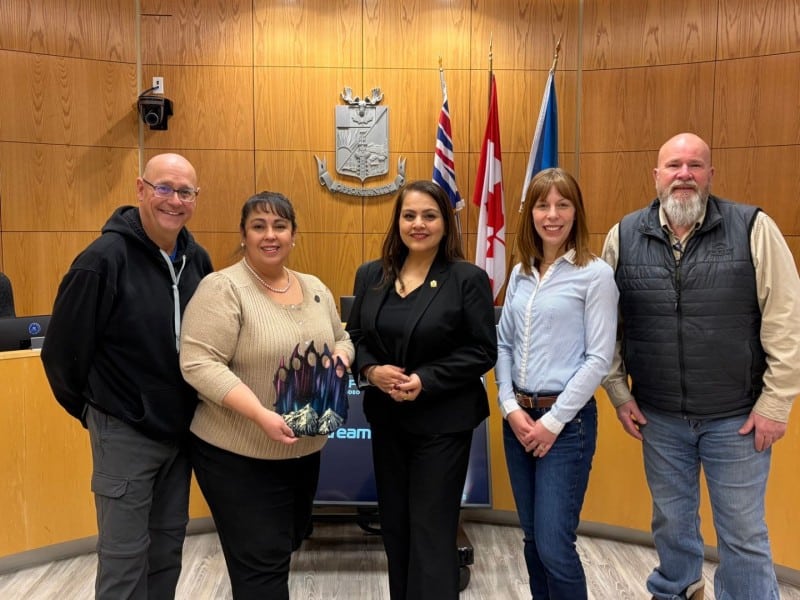
Fort St. John talks potential west coast pipeline with Alberta minister
Fort St. John councillors joined the mayor, Lilia Hansen, to meet Alberta minister of Indigenous relations Rajan Sawhney to discuss the West Coast Oil Pipeline project.
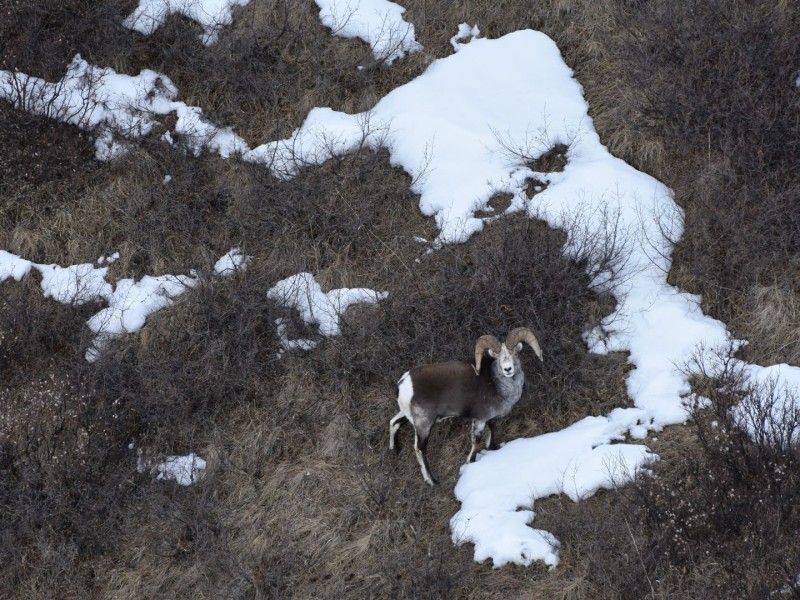
B.C. government to keep antlers and hide after decision overturned in guided hunt case
Zachary McDermott was found guilty of killing a mountain sheep out of season on a guided hunt. B.C. is keeping the antlers and hide after an appeal which overturned a previous decision.