
Fort St. John council readjusts proposed budget with 1.85 per cent tax increase
The City of Fort St. John council is considering a 1.85 per cent tax increase to its municipal taxes as part of its $130.7 million operating and $54.62 million capital budgets in 2026.
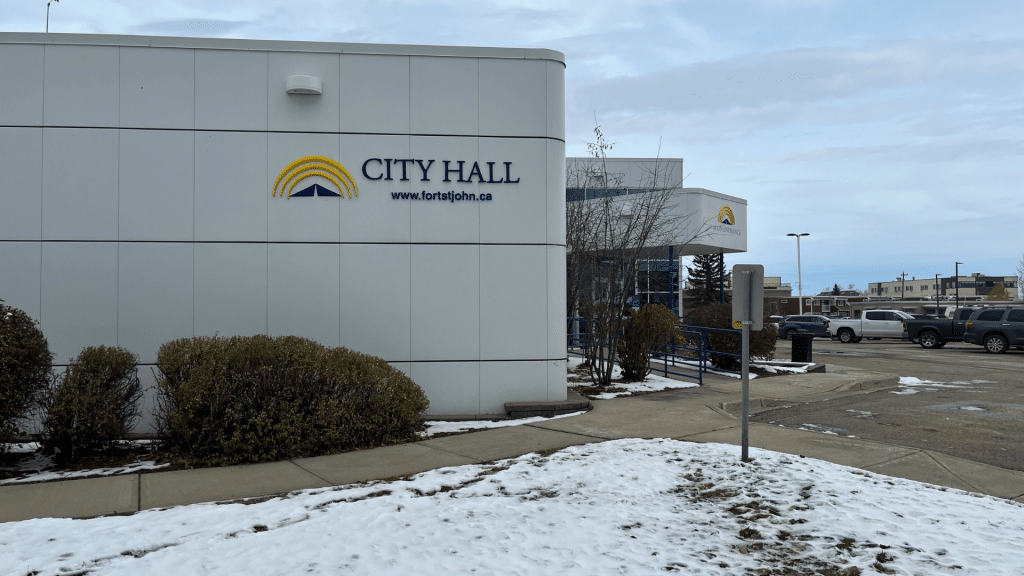
FORT ST. JOHN, B.C. — The City of Fort St. John is estimating a 1.85 per cent municipal tax increase as it continues work on its 2026 capital and operating budgets.
During a public hearing at City Hall on February 23rd, the City of Fort St. John council reviewed the latest draft of the municipality’s five-year budget.
The city’s $130.7 million operating and $54.62 million capital budgets were first presented to the council on January 26th, with a public meeting later announced to gauge residents’ opinions.
On February 23rd, Shirley Collington, the city’s director of finance, explained that funding received from the Peace River Agreement had come in approximately $1.8 million less than initially planned, resulting in the city’s operating budget being decreased by $1.2 million to $129.5 million.
According to Collington, Peace River Agreement funding is allocated by population, alongside “other variables.”
While the funding has decreased the city’s operating budget, last-minute projects have been added to the city’s capital budget, which will be funded through various alternative funding streams rather than municipal taxes collected from residents.
The director also noted the tax rate was now expected to increase by 1.85 per cent. During the January presentation, Collington explained tax rates could increase between 1.75 and two per cent, pending tax assessments due in April.
Latest Stories
“This is an estimate for right now, but…what taxpayers would be seeing increase on are the city’s portion of the taxes,” Collington said at the public hearing.
“As for [other taxes], we don’t know what they’re going to be like until May, when we get all the other requisitions in from the other jurisdictions.”
Following the presentation, one resident rose to question the council, specifically about a building slated for demolition by the city and why it could not be sold rather than destroyed.
Staff said the building in question was considered “at the end of its life,” with significant necessary repairs rendering it unsellable.
The attendee then questioned why the space left following the demolition couldn’t be turned into a parking lot, rather than a green space.
Staff confirmed the lot was being turned into a green space while the city considered possible future uses, including as a parking lot.
The municipality will continue to work on the budget ahead of final tax assessments in April, before bringing the final budget before council for approval.
Stay connected with local news
Make us your
home page
Authors

Related Articles
Energeticcity.ca Weekly Review: 100 Episodes of This Week in the Peace
In this edition of the Weekly Review, we celebrate 100 episodes of This Week in the Peace. Plus, the most-read stories of the week.

(UPDATE) Cell, landline service disrupted in Fort St. John
Three major service providers are reporting phone and landline outages in the Fort St. John area.

Recycle-It hosting 2026 Free Stuff Weekend
Residents in Fort St. John will be able to get rid of their unwanted household items while searching for free stuff thanks to Free Stuff Weekend