
‘Too early to know’ whether 2025 wildfire season will be better than 2024
Pedro Roldan-Delgado with the Prince George Fire Centre says it’s too early to compare the number of overwintering wildfires identified ahead of this year’s fire season to 2024.
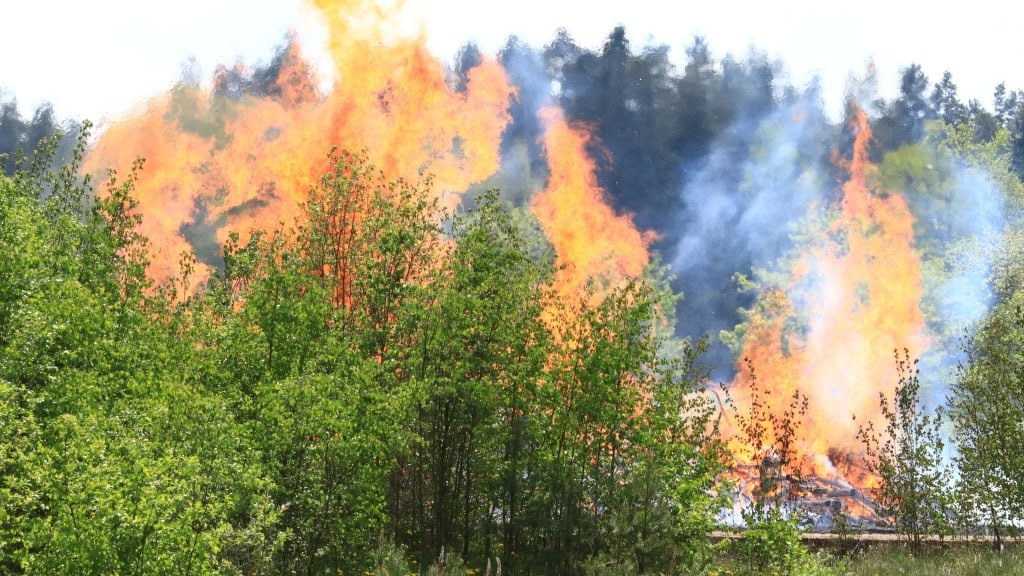
FORT ST. JOHN, B.C. — It’s too early to compare the number of overwintering wildfires identified ahead of this year’s fire season to 2024.
That’s according to Pedro Roldan-Delgado, a communications assistant with the Prince George Fire Centre. Roldan-Delgado was interviewed on the March 14th episode of This Week in the Peace about the process for identifying overwintering wildfires and expectations going into this year’s fire season.
“In some fuel types, the existing wildfires can move underground and slumber throughout the winter months, and then they can resurface the following spring,” Roldan-Delgado explained.
Local News Straight
to Your Phone
Download our app today!
Available on Android and iOS devices
“These fires are what we call ‘holdover’ or ‘over-winter’ fires. They burn deep underground, into the organic matter on the forest floor.”
As of early March, some overwintering wildfires in northeastern B.C. are producing visible smoke, prompting early response efforts from the BC Wildfire Service (BCWS).
According to Roldan-Delgado, overwintering fires are mainly identified through thermal detection tools.
“Through the winter, visible heat signatures and visible fire activities are infrequent and difficult to detect due to overcast, foggy and snowy conditions,” he said. “So, we just wait until they start flaring up and we can see them again.”
Latest Stories
Firefighters track flare-ups through air and ground patrols, with BCWS staff members on the ground keeping an eye out for smoke plumes and flight crews using thermal imaging cameras to pinpoint hot spots.
As of March 19th, almost every single overwintering wildfire identified so far is located in the Prince George Fire Centre coverage area, aside from a single blaze in the Kamloops Fire Centre area located near the United States border.
Every one of those fires is listed as “under control,” which Roldan-Delgado says is an indication that the fires won’t spread beyond their current boundaries for the time being.
“It’s still unfortunately a little too early to know the extent of our holdover fires compared to last year, just because we’re still continuing to patrol and looking for the holdover areas,” Roldan-Delgado added.
However, Roldan-Delgado did add the increased snowpack this year compared to 2024 might influence the start of the wildfire season.
“The drought situation has eased somewhat as compared to last year,” he said. “Also, field measurements are indicating close-to-average snowpack in our areas of concern, which is an improvement from last year.”
Despite that, Roldan-Delgado echoed similar sentiments to experts from the BC River Forecast Centre, saying springtime weather will likely be a greater factor in the 2025 wildfire season.
Residents can see the latest updates on wildfires throughout B.C. on the BCWS website.
Stay connected with local news
Make us your
home page
Authors

Related Articles
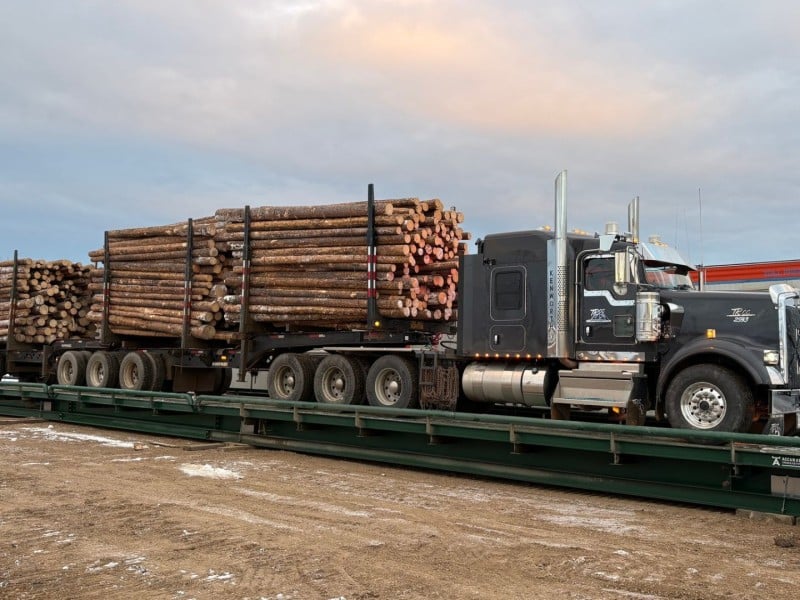
Fort Nelson community forest uses salvageable lumber funds for replanting
The Fort Nelson First Nation and Northern Rockies Regional Municipality gave an update on the sales of salvageable wood in its community forest.
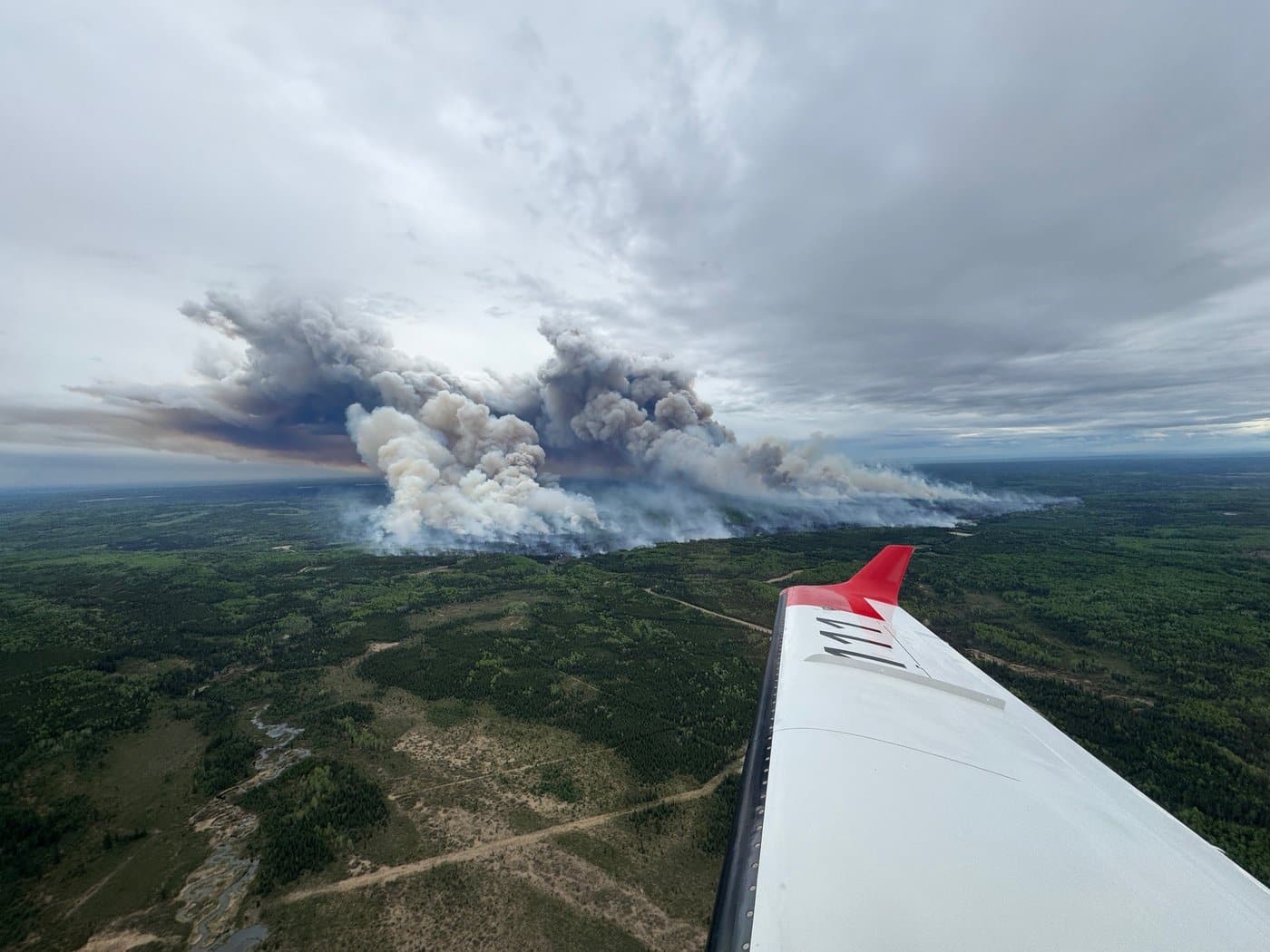
Fort St. John seeks new emergency support volunteers as wildfire season approaches
The City of Fort St. John is looking for volunteers to help the community during evacuations and other emergencies.
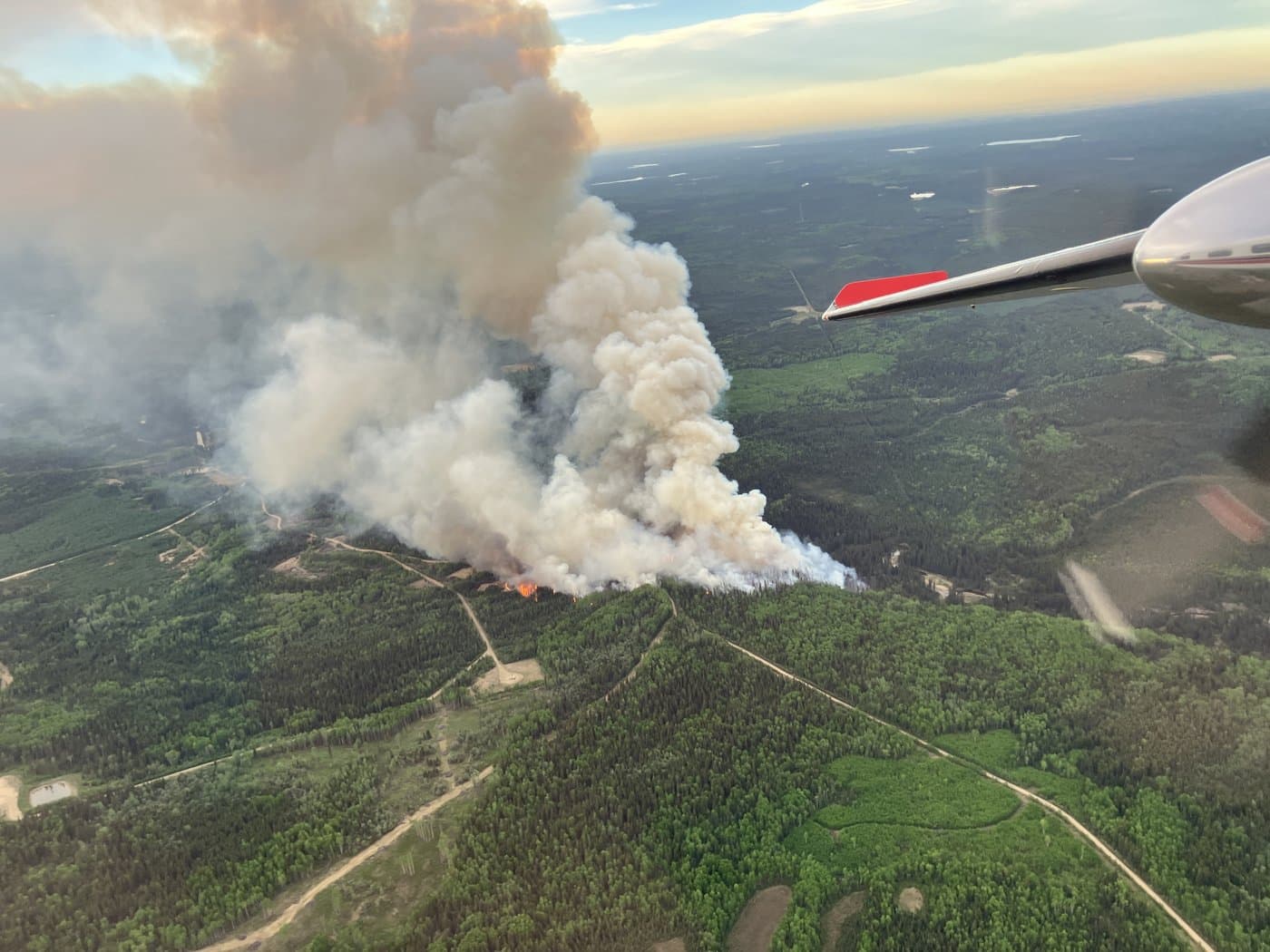
Nearly 200 forest fires fought in northeast B.C. during wildfire season 2025
Wildfire season 2025 saw 199 blazes in northeast B.C., while the province saw 1,350 in total.