
PRRD adopts plan to address climate change
The PRRD has completed its Regional Climate Resiliency Plan, which outlines its goals to help the region adapt to extreme weather events.
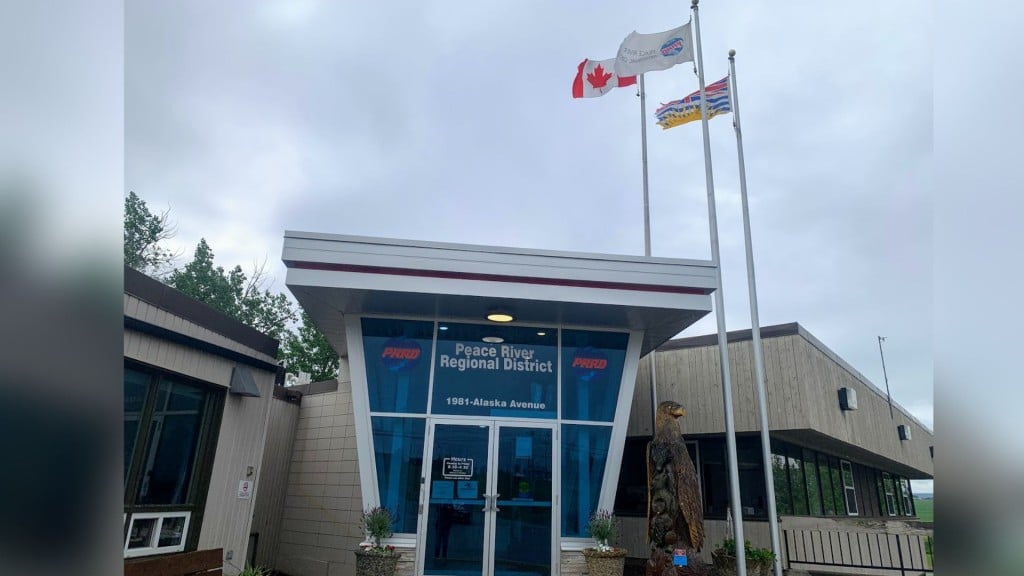
FORT ST. JOHN, B.C. — The Peace River Regional District (PRRD) has completed its Regional Climate Resiliency Plan.
The plan is designed to prepare for the growing impacts of climate change.
Endorsed at the July 17th board meeting, the plan outlines actions to help the region adapt to extreme weather events like wildfires, floods and droughts:
- Buildings and energy: “Improving energy efficiency, enhancing building resilience and expanding low-carbon energy access.” Plans include exploring the development of a regional housing plan, which incorporates “resilient and low/zero carbon building principles.”
- Transportation and mobility: “Supporting sustainable, climate-resilient transportation.” Plans include expanding public transit options and installing EV charging stations at PRRD facilities.
- Public infrastructure and corporate responsibility: “Strengthening water supply, bolstering infrastructure and reducing corporate emissions.” Plans include launching water conservation campaigns and focusing on new potable water systems in rural communities.
- Local economy and agriculture: “Promoting sustainable farming and helping businesses adapt and cut emissions.” Plans include assisting with agricultural grant applications.
- Emergency management: “Enhancing early warning systems, emergency response and public awareness.” Plans include supporting the establishment of extreme weather response centres.
- Ecosystems and green spaces: “Preserving natural areas and integrating green infrastructure into planning.” Plans include expanding PRRD-owned green spaces.
Board chair Leonard Hiebert said the plan reflects extensive public input and will help “better protect families, businesses and our way of life.”
“This plan shows that we are prepared to face these challenges head-on,” he said.
General manager of development services Ashley Murphey said residents’ stories highlighted the importance of the project.
Latest Stories
“We’ve all seen firsthand how extreme weather impacts communities in the region,” she said.
“This plan gives us concrete steps to reduce those risks and better respond.”
In recent years, drought has contributed to some of the worst wildfire seasons in B.C.
Some of those wildfires have also threatened homes and prompted evacuations, such as the Parker Lake fire near Fort Nelson in 2024 and the Kiskatinaw River fire in Kelly Lake this year.
The full plan can be viewed at haveyoursay.prrd.bc.ca/rcrp.
Stay connected with local news
Make us your
home page
Authors

Related Articles

70 per cent of 2026 unregulated drug deaths in northern B.C. involve fentanyl
Northern Health has recorded the fewest unregulated drug deaths in B.C. as of April 2026.
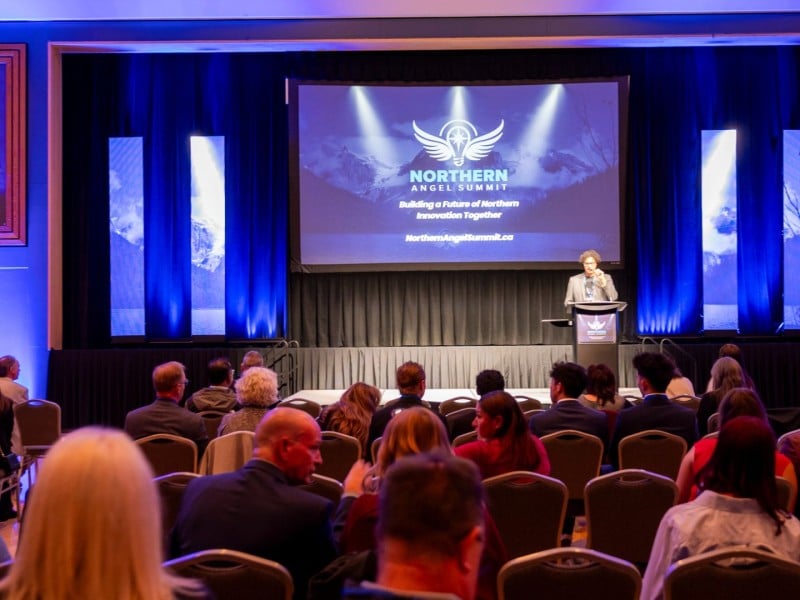
Dawson Creek company one of six finalists for Northern Angel Summit finale
A Dawson Creek company has been named one of the six finalists for the 2026 Northern Angel Summit.
Taylor council reviewed a resident’s complaint about ongoing industrial activity
The District of Taylor council reviewed a complaint from a resident regarding ongoing industrial activity issues in the area.