
‘Different from a textbook’: Doig Day returns in 2025 to educate kids about Indigenous culture and language
Doig Day, open to the public and School District 60 students, has been educating children about Indigenous culture since the 1970s.
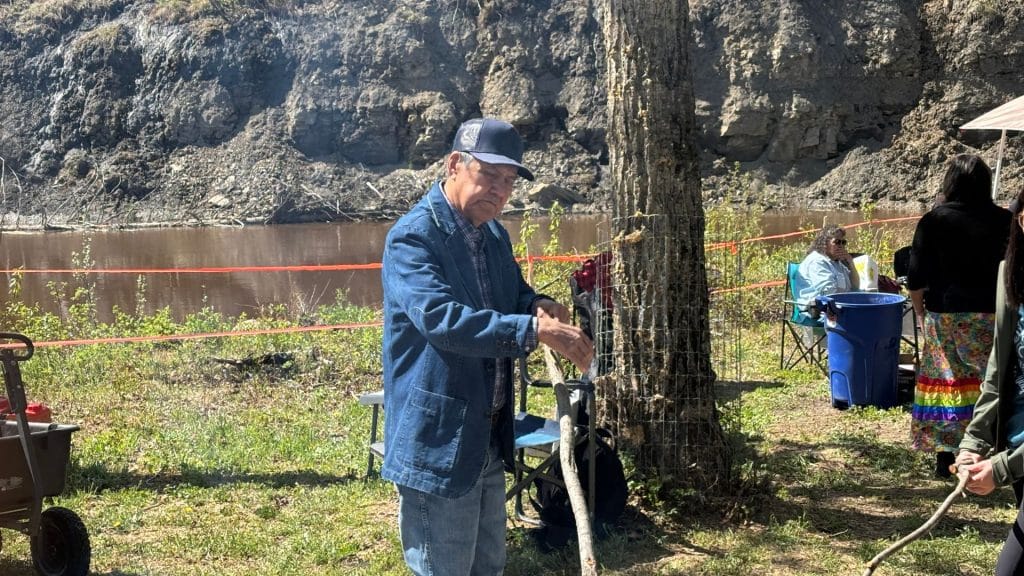
DOIG RIVER, B.C. — With a little wind in the air, school buses parked in an area on the grounds of Doig River First Nation (DRFN) for the annual Doig Day.
One by one, excited fourth graders filed off the vehicles on May 22nd, donning navy blue t-shirts for what has become a tradition for School District 60 students.
Started in the 1970s in a classroom with a handful of students, the event has become a staple on the North Peace region’s cultural calendar.
Local News Straight
to Your Phone
Download our app today!
Available on Android and iOS devices
Community members, industry partners and the public explored the area, with stations dedicated to hunting and trapping, smoking meat, preparing a moose hide to use for materials such as clothing and drums and even learning the Beaver alphabet.
It’s become routine for Elaine McEachern, who brought students from Baldonnel Elementary School and said a large takeaway was Indigenous communities traditionally “waste nothing.”
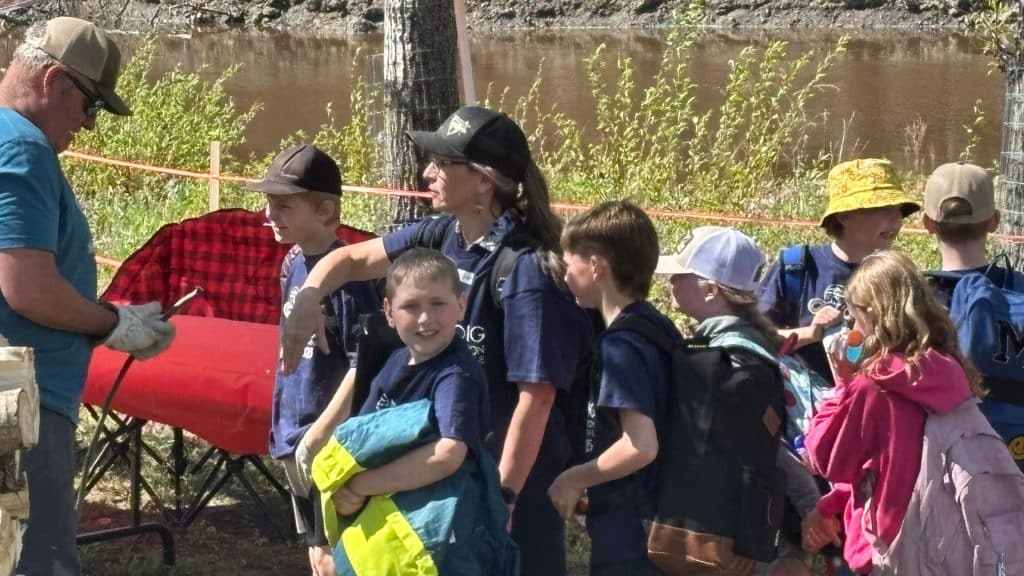
“It’s stunning,” said McEachern. “[We were shown] when you shoot a moose or a bison, what Indigenous folks do with it, because they waste nothing. They make beautiful clothing out of it. They dry the meat. There’s everything from the heart to the nose.
Latest Stories
“Letting kids see that, when you’re really in touch with nature, nothing’s wasted [and] everything’s appreciated.”
Hudson’s Hope Elementary-Secondary School teacher Douglas Laidlaw, who came for the second year in a row with his class, said there is a “difference between learning from a textbook” and experiencing Doig Day.
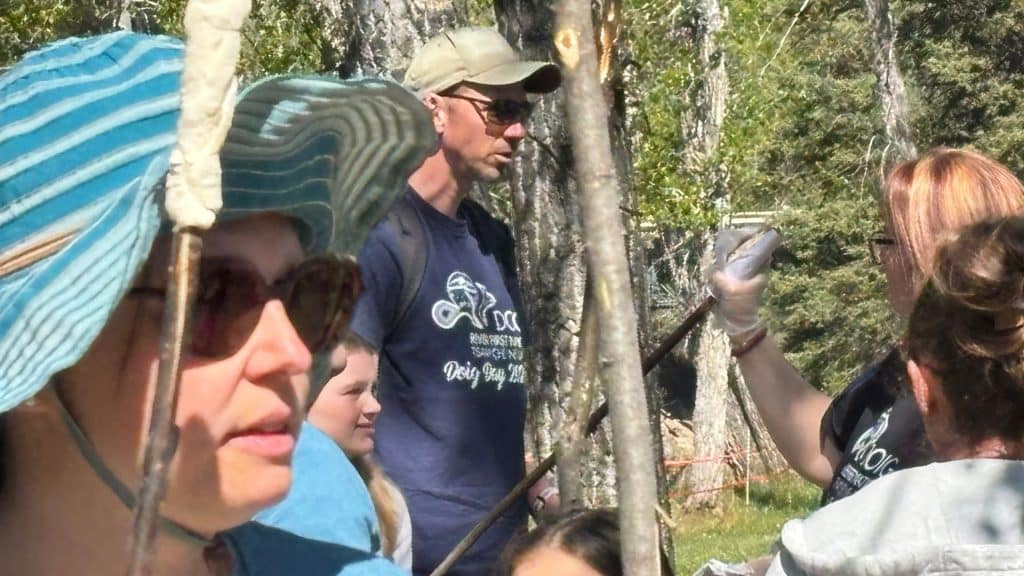
Members of the DRFN community taught Laidlaw’s students – and countless others – phrases in the Beaver language of the Dane-zaa people while they prepared smoked moose meat, including ‘hello,’ ‘I’m fine’ and ‘thank you.’
“[Just being here] seeing things, touching things, being able to interact and able to speak the language,” said Laidlaw. “We’re learning a little bit more Dane-zaa here. They came ready to say ‘I’m fine’ but they get to use the words they pick up.”
DRFN community member Karen St. Pierre said it was “very important” to pass the knowledge to the district’s students, showing some steps in preparing an animal hide.
“Doig Day is very important to School District 60 that they come out every year with the grade fours,” said St. Pierre. “To teach other children about our First Nations culture and teach them how we came about, teach them about our ancient ways and how we survived.”
Around the festivities was DRFN Elder Gerry Attachie, who preached events such as Doig Day celebrate not only education, but harmony among the Indigenous and settler communities.
“We were too far apart,” said Attachie. “Some of the people that were in line, we didn’t know they’re part Indian. One of them said ‘we didn’t know we were Métis. My dad never told us.’ They just got their status back.
“Why? Because of prejudice and racism. It was so sad.”
More details about Doig Day 2025 are available through DRFN’s Facebook page.
Stay connected with local news
Make us your
home page
Authors

Related Articles
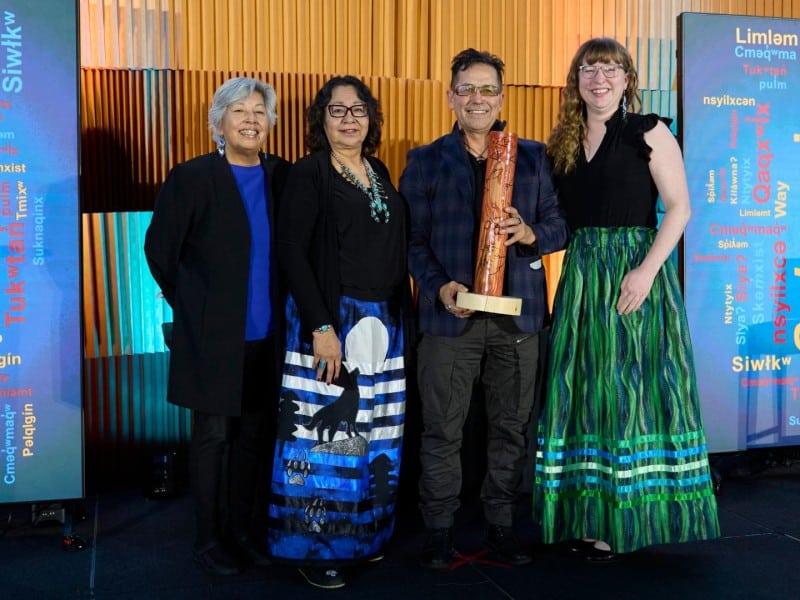
Tse’k’wa cave wins B.C. tourism award for Indigenous experience
Charlie Lake’s Tse’k’wa Heritage Society won the Indigenous operator or experience award at the Tourism Industry Association of BC (TIABC) conference in Kelowna.
Organizers of second Cultural Gathering of Nations seek sponsorship from Dawson Creek council
The organizers behind the Cultural Gathering of Nations at the Ovintiv Events Centre have sought sponsorship from the City of Dawson Creek.

Election for Saulteau First Nations chief and council draws near
An election to select a new council and chief for Saulteau First Nations in Moberly Lake will take place on Monday, March 30th.