
UPDATED: Fort St. John homelessness committee reports findings of six-month investigation
Fort St. John Council’s Response Committee on Housing and Emergency Shelter presented its six-month investigation report.
Update on March 4th, 4.45pm: A previous version of this story included BC Housing statistics which were incorrect. These errors have now been corrected, and Energeticcity.ca is happy to set the record straight.
FORT ST. JOHN, B.C. – The province’s first committee on homelessness formed at the local government level has concluded its six-month investigation and is moving to the next step.
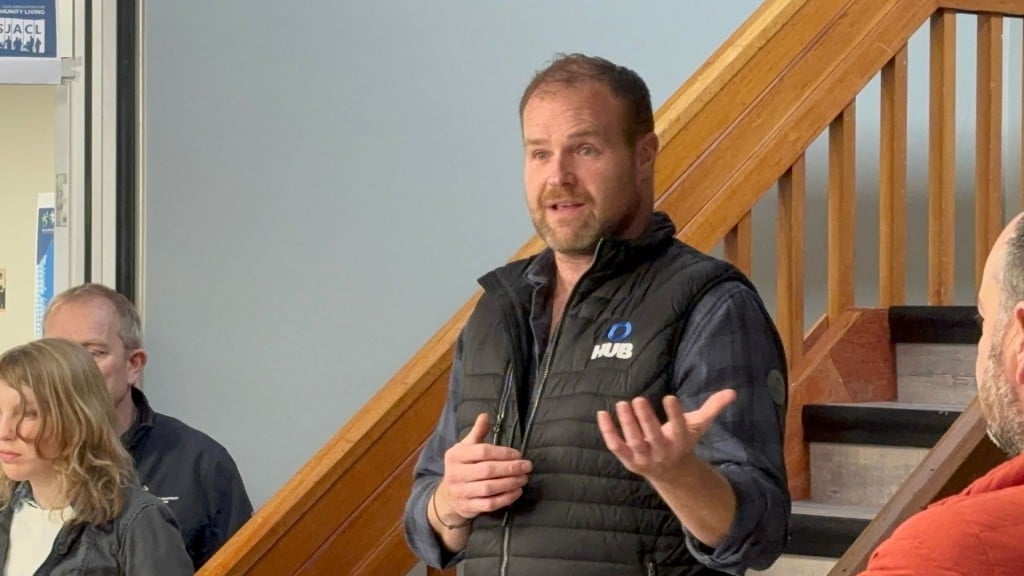
During the February 24th council meeting, councillors Trevor Bolin, Gord Klassen and Sarah MacDougall presented the update report for the Council’s Response Committee on Housing and Emergency Shelter (CRCHES).
The three councillors were appointed to CRCHES upon its creation in August 2024, and were tasked with exploring options to support the city’s unhoused community.
Bolin explained CRCHES was a “first in British Columbia,” and research into local government and community solutions for supporting the unhoused led the committee to explore similar endeavors across the country in Nova Scotia, Alberta and Newfoundland and Labrador.
From August 2024 to January 2025, CRCHES met with members of the community, city staff and conducted research on possible solutions to support individuals who become homeless.
In the presentation, Bolin explained the ‘housing first’ model the committee adopted when weighing future actions.
Latest Stories
“If you have somewhere to call home, you have somewhere to build on,” Bolin said.
“You cannot expect anyone to change their behavior or change their situation when they’ve got this 200-pound cloud hanging over them in the fact that they will never ever have a home to live in.”
The presentation also included 2023 data received from B.C. Housing about homelessness, and Bolin confirmed the statistics were similar to what the committee had seen when connecting with unhoused individuals in Fort St. John.
According to B.C. Housing, 37 per cent of housing loss is due to a lack of required income; 25 per cent is due to substance-use issues; spouse or partner conflicts and landlord conflicts both account for 17 per cent; and mental health issues account for 16 per cent. These percentage totals do not add up to 100 per cent because BC Housing allowed individual respondents to its survey to give multiple reasons for their loss of housing.
In 2023, approximately 102 individuals were identified as homeless in Fort St. John, with around 40 staying outside or in ‘makeshift shelters.’
Bolin explained the report is to be considered a “living document,” because of the evolving nature of homelessness.
At the conclusion of the presentation, the committee brought two recommendations forward for council approval.
It first recommended the council authorize the committee to request meetings with the minister of housing and municipal affairs, the minister of public safety and solicitor general and the minister of health to speak about possible solutions such as a co-op housing pilot program for Fort St. John.
It also asked council to advocate to the provincial government through North Central Local Government Association and Union of British Columbia Municipalities regarding sustainable funding for co-op housing in rural communities, and additional ‘funding streams’ for local governments in addressing housing insecurities.
Some suggested funding streams included proceeds from civil forfeiture, cannabis and liquor taxes and casino revenue.
“This is a provincial issue that has now become a municipal issue, so all forms of government at one point or another are going to be involved in this sort of a housing strategy to fix issues that are happening,” Bolin said.
“It still needs to be funded by the proper authority, which is B.C. Housing.”
During the regular council meeting directly following the committee of the whole, council approved several resolutions to take before NCLGA 2025 in May including the second recommendation made during the CRCHES presentation.
Stay connected with local news
Make us your
home page
Authors
Related Articles
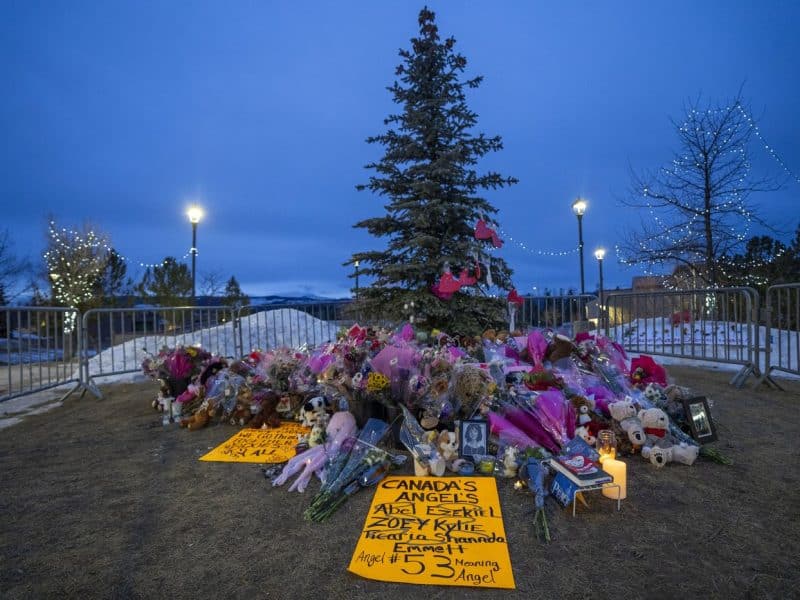
OpenAI agrees to strengthen safeguards following B.C. mass shooting: minister
OpenAI has agreed to take several actions to bolster safety

British Columbians can now access surgery in Alberta after cross-border partnership
The provincial governments of B.C. and neighbour Alberta reinstated an arrangement on cross-border surgeries in March 2026.
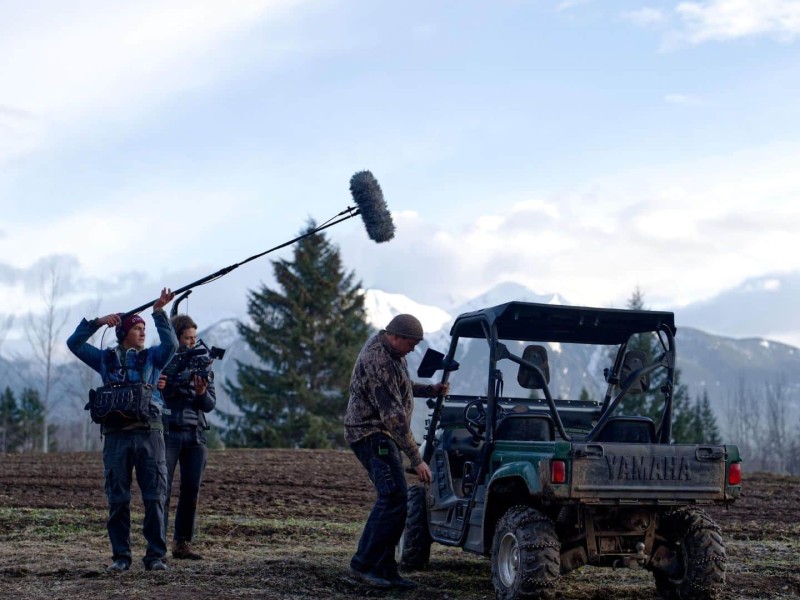
Farmers institute to host two documentary film nights at theatre
The Peace Region Farmers Institute (PRFI) will screen two documentary films – Women Who Dig and Tea Creek – at the Lido Theatre on March 11th and April 14th.