
SFU repatriates Tse’k’wa excavation history to Dane-Zaa people
Simon Fraser University has digitally repatriated excavation history and research material back to the Dane-Zaa people of the T’se’kwa Heritage Society.
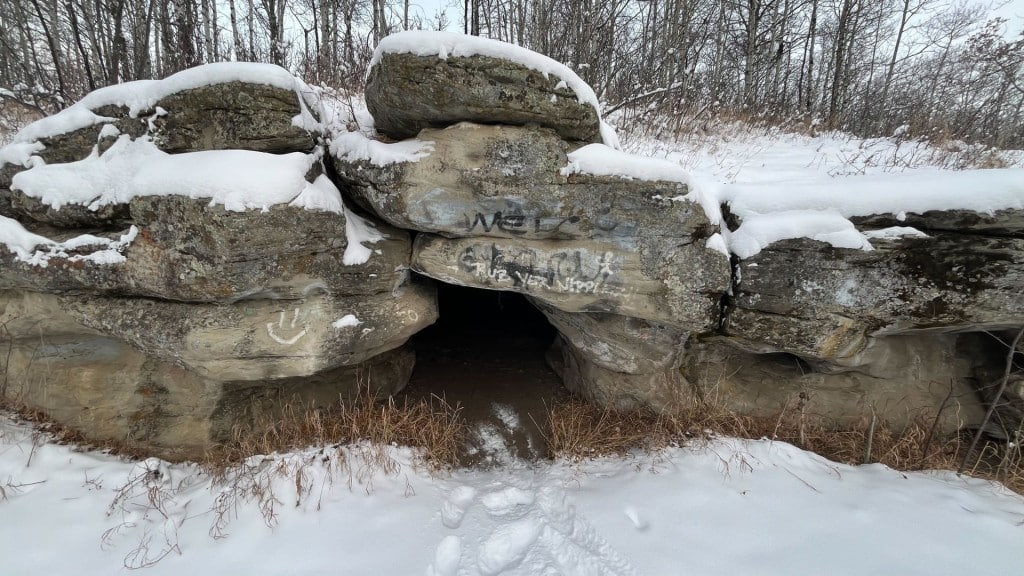
CHARLIE LAKE, B.C. — Simon Fraser University (SFU) has digitally repatriated excavation history and research material back to the Dane-Zaa people of the Tse’k’wa Heritage Society.
Repatriation is the process of legally bringing back materials to the autonomous Nation they originated from.
This means the university will give back materials belonging to the Dane-Zaa people.
Local News Straight
to Your Phone
Download our app today!
Available on Android and iOS devices
Also known as the Charlie Lake cave, the “rock house” history dates back 12,500 years.
Excavations initially undertaken by the Burnaby-based university took place in the 1970s. Additional digs took place in 1983, 1990, and 1991.
SFU’s digital archive includes a wide range of material. This includes field notes, research materials, maps, and photographs.
The archive will also feature data sets made by researchers as well as interpretive documents which use data from all excavations both during and after.
Latest Stories
The information repatriated to the Dane-Zaa aims to widen public and research materials related to the original excavations.
Doig River First Nation (DRFN), Prophet River First Nation (PRFN), and West Moberly First Nation (WMFN) purchased the cave site in 2012.
Nine years later, the cave was recognized as a National Historical site.
According to Garry Oker, president of the Tse’k’wa Heritage Society, the land which houses the cave has more of a deeper meaning to the Dane-Zaa people.
“Tse’k’wa is more than just a physical location. It is a sacred place that embodies our sense of place and identity,” said Oker.
“Artifacts and remains discovered at the site contribute to the understanding and appreciation of Dane-Zaa people’s cultural heritage.”
Tse’k’wa Heritage Society executive director Alyssa Currie says the archive is a “triumphant example” of digital repatriation.
“It will greatly enhance our ability to provide access to the collection and strengthen our physical repatriation process,” said Currie.
The society has spent two years working with the B.C. Archeology branch and SFU’s Department of Archeology to repatriate the entire Tse’k’wa collection.
SFU will facilitate access to the digital archive even after the physical collection is returned to Tse’k’wa.
The digital archive has been made available to the public through SFU’s research repository.
Stay connected with local news
Make us your
home page
Authors
Related Articles
Organizers of second Cultural Gathering of Nations seek sponsorship from Dawson Creek council
The organizers behind the Cultural Gathering of Nations at the Ovintiv Events Centre have sought sponsorship from the City of Dawson Creek.

Dawson Creek agricultural land owner loses pipeline permit appeal
The Energy Resource Appeal Tribunal has rejected a Dawson Creek land owner’s application to overturn a permit issued by the BCER to Vermilion Energy.

Election for Saulteau First Nations chief and council draws near
An election to select a new council and chief for Saulteau First Nations in Moberly Lake will take place on Monday, March 30th.