
Wildfire authority explains why no fire ban in peace region yet
The BC Wildfire Service explained the reason to exclude the peace region from a category two and three ban is based on ‘a range of factors.’
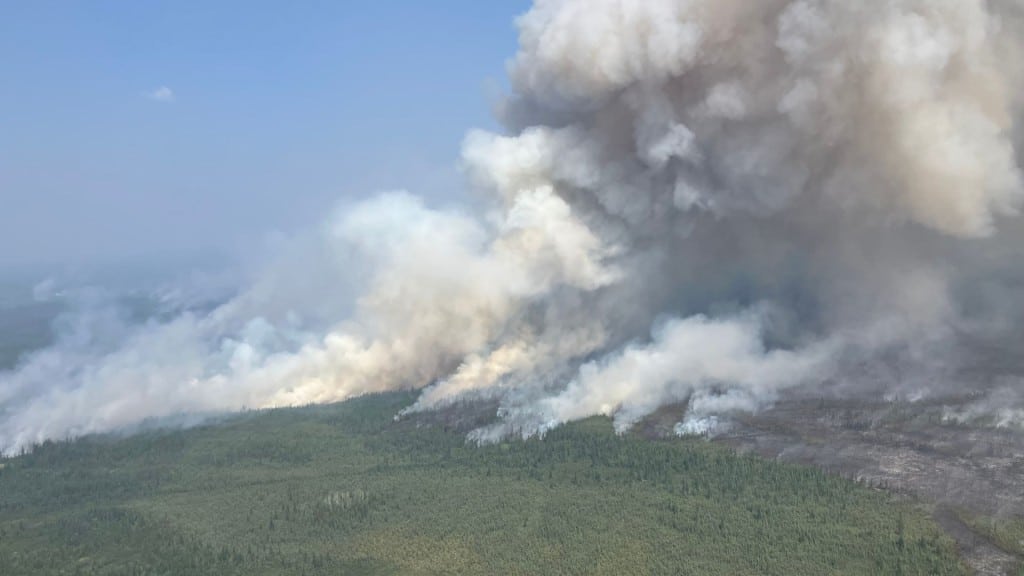
FORT ST. JOHN, B.C. — The Prince George Fire Centre has given details to Energeticcity.ca why a wildfire ban has not been implemented in parts of the northeast, saying it is based on “a range of factors,” despite several early wildfires.
While a category two and three wildfire ban has been implemented in parts of northeast B.C. by the province’s fire authority, the ban does not include anything north in the Prince George Fire Centre.
The ban means no fires of piles of material exceeding two metres high and three metres wide, any fire windrows not exceeding 200 metres in length and 15 metres in width, and no fires over Stubble or grass in areas of less than 0.2 hectares, until October 15th at noon.
The BC Wildfire Service (BCWS) implemented a ban on fires on Monday, May 4th, after several wildfires were sparked over the weekend, which began on Tuesday, May 5th.
The Peace River Regional District (PRRD) issued a notice stating the ban was in effect for the entire fire centre, which was later retracted.
This is because the ban’s focus is on southern fire zones in the Prince George Fire Centre, namely the Vanjam, Prince George and the Robson Valley zones.
BCWS fire information officer Emily Baker explained to Energeticcity.ca the reasons behind the move, saying a prohibition is based “on a range of factors.”
Latest Stories
“The Prince George Fire Centre considers time of year, current and forecasted wildfire activity, fire weather indices, current and forecasted weather and available firefighting resources,” Baker wrote in a statement.
According to Baker, a central part of implementing fire bans is a Build Up Index (BUI). It is a numeric rating of the total amount of fuel available for combustion on the landscape.
The BUI is centred around two codes: the duff moisture code, an average moisture content of loosely compacted organic layers of moderate depth, and the drought code, which is an average content of deep, compact organic layers.
The duff moisture code is measured on a scale of 61, while the drought code is on a scale to 501. Currently, the region sits at a score of 46 to 60 on the former, and in a range of 191 to 500 on the latter.
These codes form part of Canada’s Fire Weather Index (FWI) System.
Baker goes on to say BUI levels vary throughout B.C. and the Prince George Fire Centre.
However, she did not say when a category two or three ban could be coming to the area; she only said: “There is the potential for prohibitions in the coming weeks” if current weather patterns continue.
“BCWS is putting fire prohibitions in effect for fire zones that have met the requirements for restrictions,” wrote Baker. “The Prince George Fire Centre is continuously assessing and evaluating further needs for additional fire prohibitions.”
With the anticipated wildfire activity, the Fort St. John Fire Department has offered tips to help residents out in the case of possible fire emergencies.
The current category two and three fire bans were implemented on Tuesday, May 5th, and are expected to last until mid-October.
Stay connected with local news
Make us your
home page
Authors

Related Articles
Taylor Fire Rescue responded to 196 calls for service in 2025
Taylor Fire Rescue reported it responded to 196 calls for services in 2025, matching the numbers in 2024.
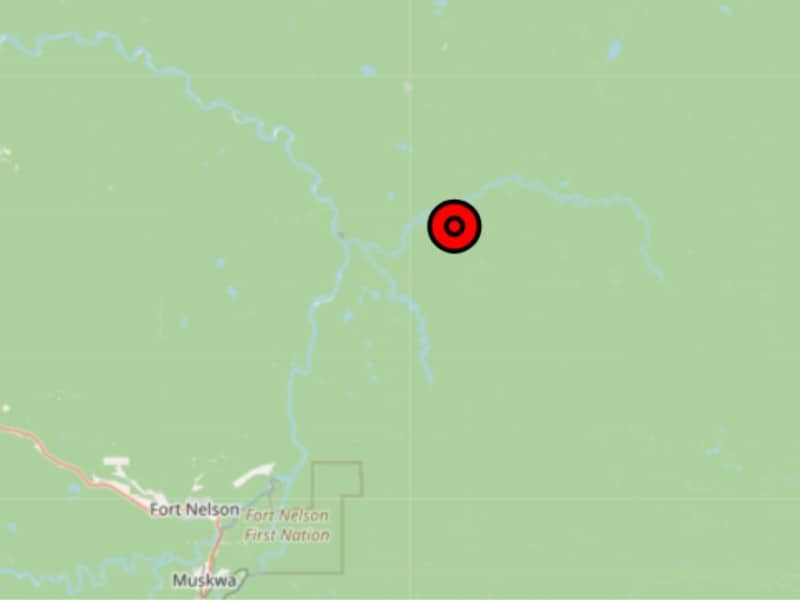
Wildfire located in area near Fort Nelson River
The fire discovered on June 16th is believed to have been caused by a lightning strike
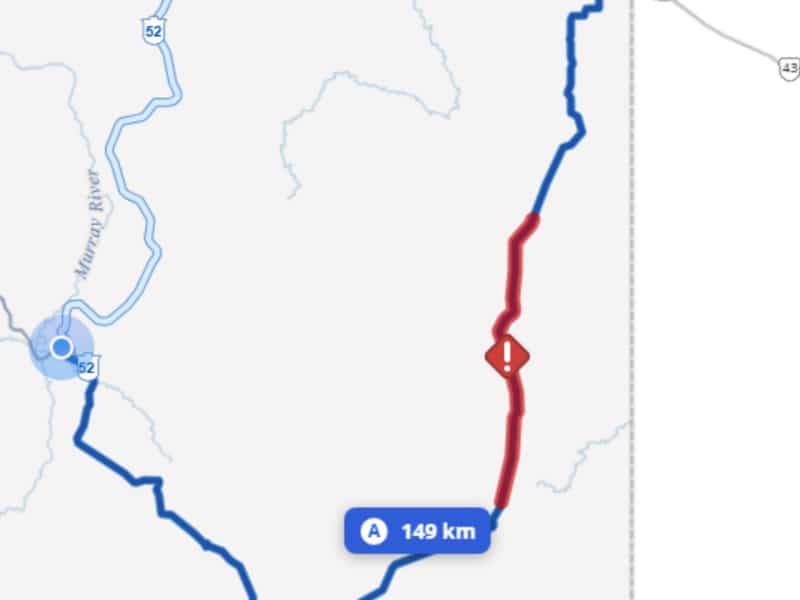
Single-lane traffic on Highway 52 due to wildfire
There will be single-lane alternating traffic daily from 7 a.m. to 9 p.m. on Highway 52 due to the Sunderman Creek wildfire.