
NRRM to complete ‘biological assessment’ of local water for wildfire suppression
This comes as 2025’s wildfire season winds down with snow falling in some areas and temperatures dropping across B.C.
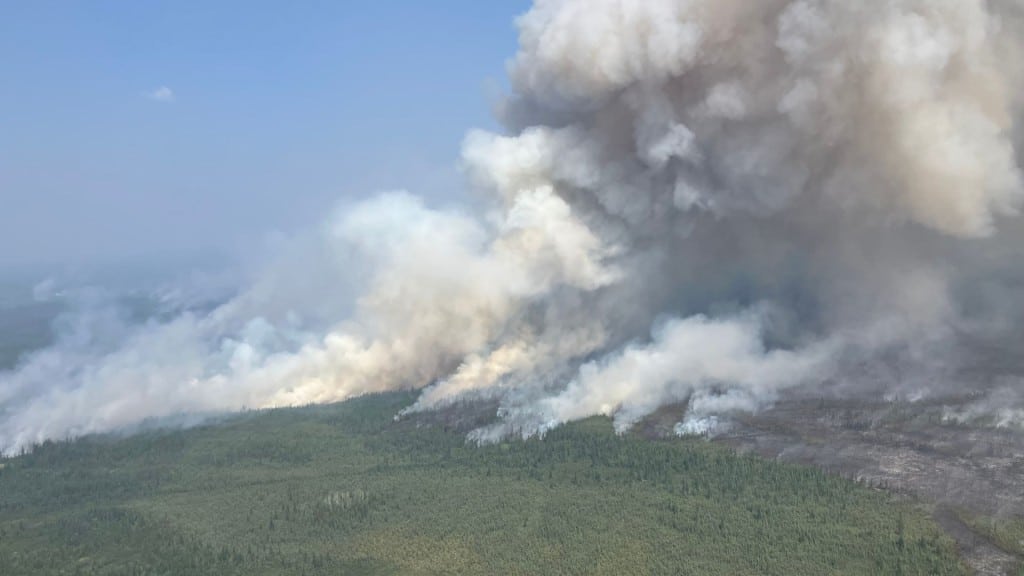
FORT NELSON, B.C. — The Northern Rockies Regional Municipality (NRRM) is moving forward with an initiative to improve wildfire suppression capabilities in the region.
During the October 14th council meeting, the NRRM voted in favor of setting aside a budget for an assessment of some bodies of water that could potentially be used by the BC Wildfire Service (BCWS) to help deal with out of control blazes.
This comes as 2025’s wildfire season — which, according to BCWS, was less harsh than last year but still much worse than the ten-year average for the northeast — winds down with snow beginning to fall in some areas and temperatures dropping across the province.
The recommendation for the assessment comes from the municipality’s Community FireSmart Resiliency Committee, a group established in 2024 to create strategies to prepare Fort Nelson and the surrounding area for the annual wildfire season.
According to the minutes from the committee’s August 14th meeting, the group selected four bodies of water that could potentially be used for wildfire suppression efforts with help from Radar Road Transport, a local trucking company.
The minutes indicate that two of them are located on private property near McConachie Creek Road, one is located on Crown land near Tazma, and the last is near the third hole of Poplar Hills Golf Course.
The main focus when identifying bodies of water that could be useful for firefighters was access, wildlife activity, overhead hazards and the amount of work that would be needed to prepare them for use.
Latest Stories
During that August meeting, the committee recommended that the municipality move into the next phase of their planning for this initiative, which would involve coordinating with the BC Wildfire Service and other emergency service partners to confirm they’d be useful, contacting the affected landowners and performing an engineering review.
Council voted in favor of moving forward during the October 14th meeting, agreeing to set aside $25,000 to hire a ‘qualified professional’ to perform a biological assessment of the four bodies of water and create an implementation plan for confirming that they’d be viable for wildfire suppression.
According to Jaylene MacIver, the NRRM’s director of corporate services, the municipality has already entered into a service agreement to undertake the assessment in the days since the council meeting.
Stay connected with local news
Make us your
home page
Authors

Related Articles
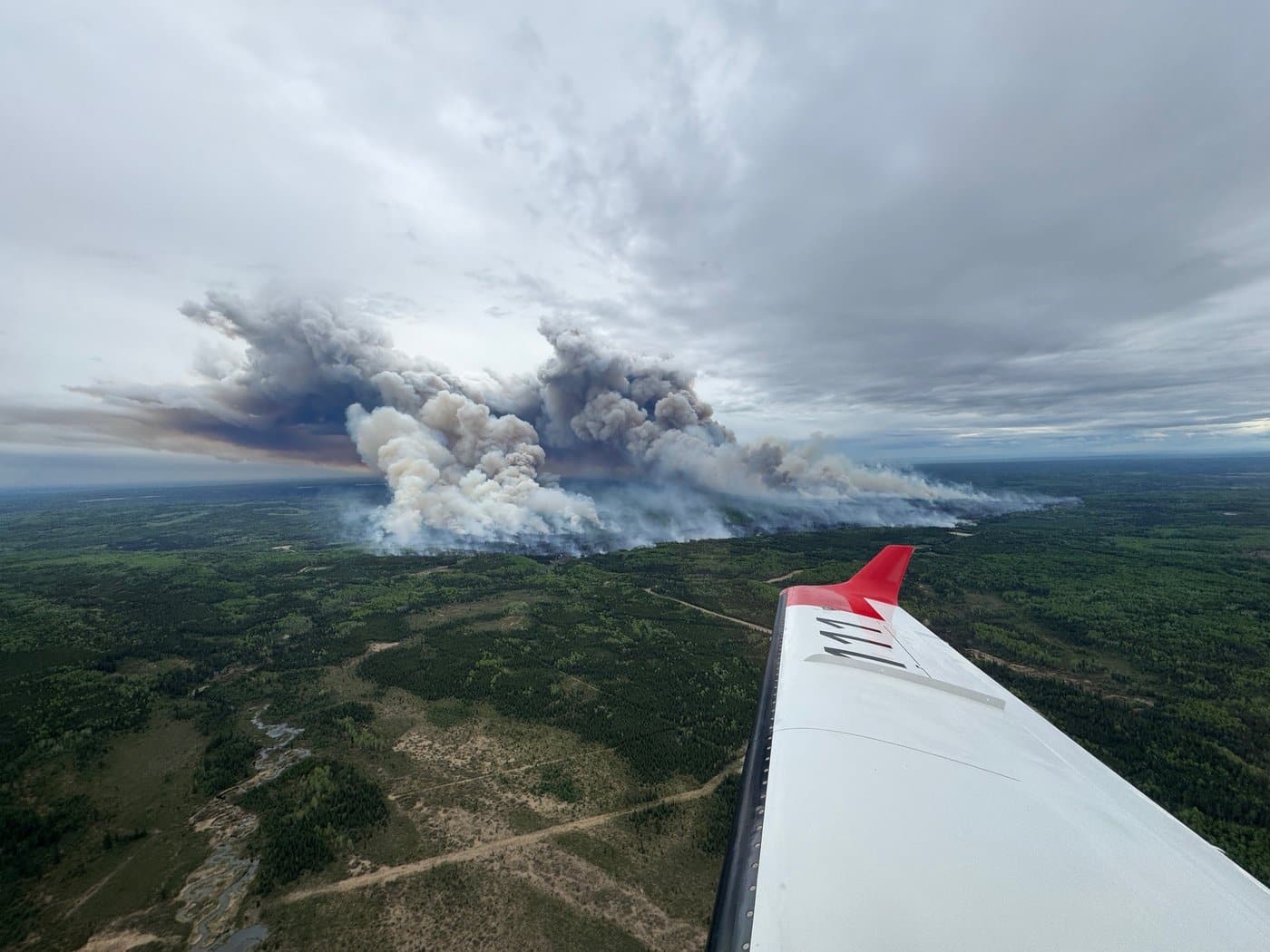
Fort St. John seeks new emergency support volunteers as wildfire season approaches
The City of Fort St. John is looking for volunteers to help the community during evacuations and other emergencies.
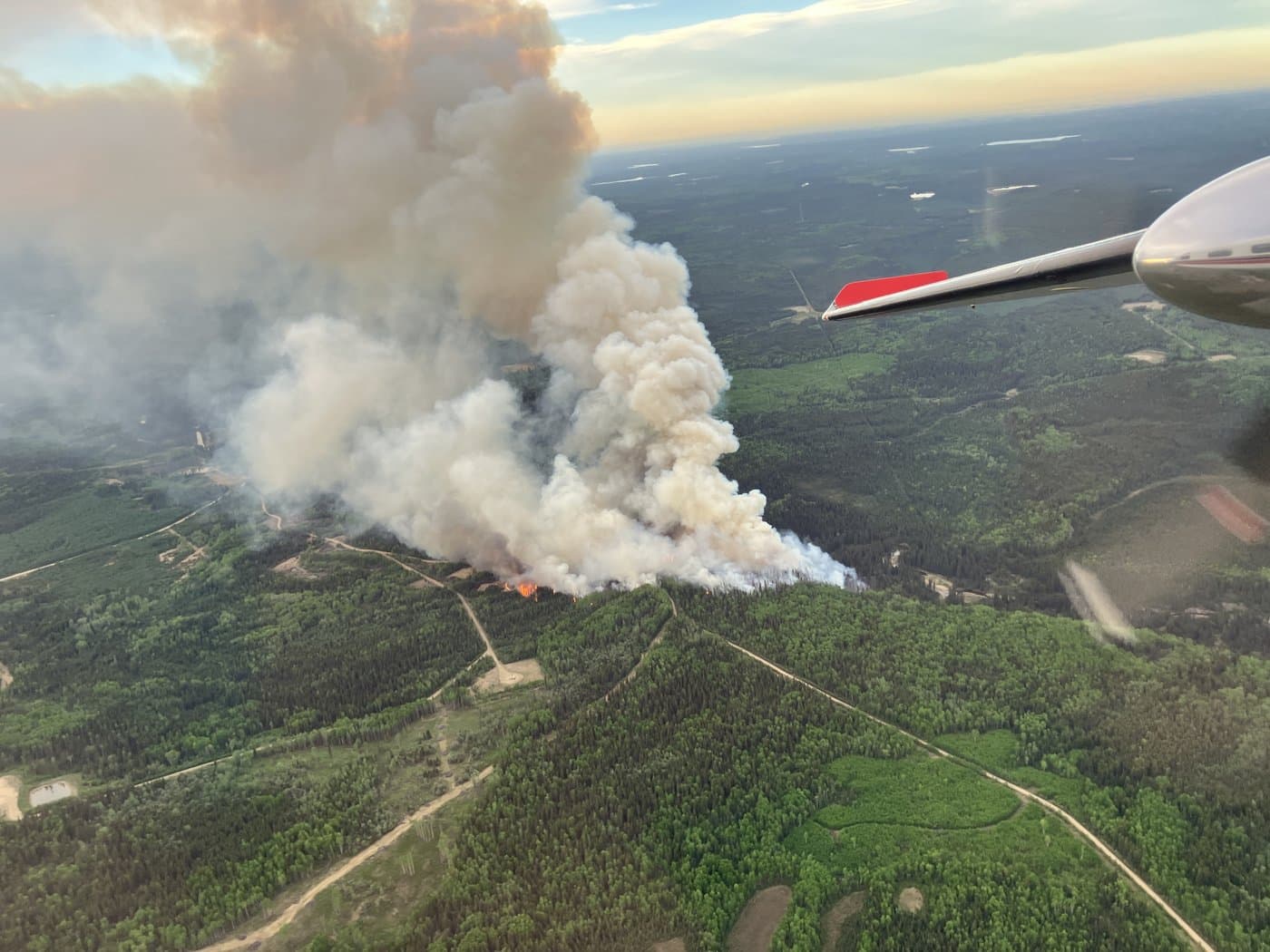
Nearly 200 forest fires fought in northeast B.C. during wildfire season 2025
Wildfire season 2025 saw 199 blazes in northeast B.C., while the province saw 1,350 in total.
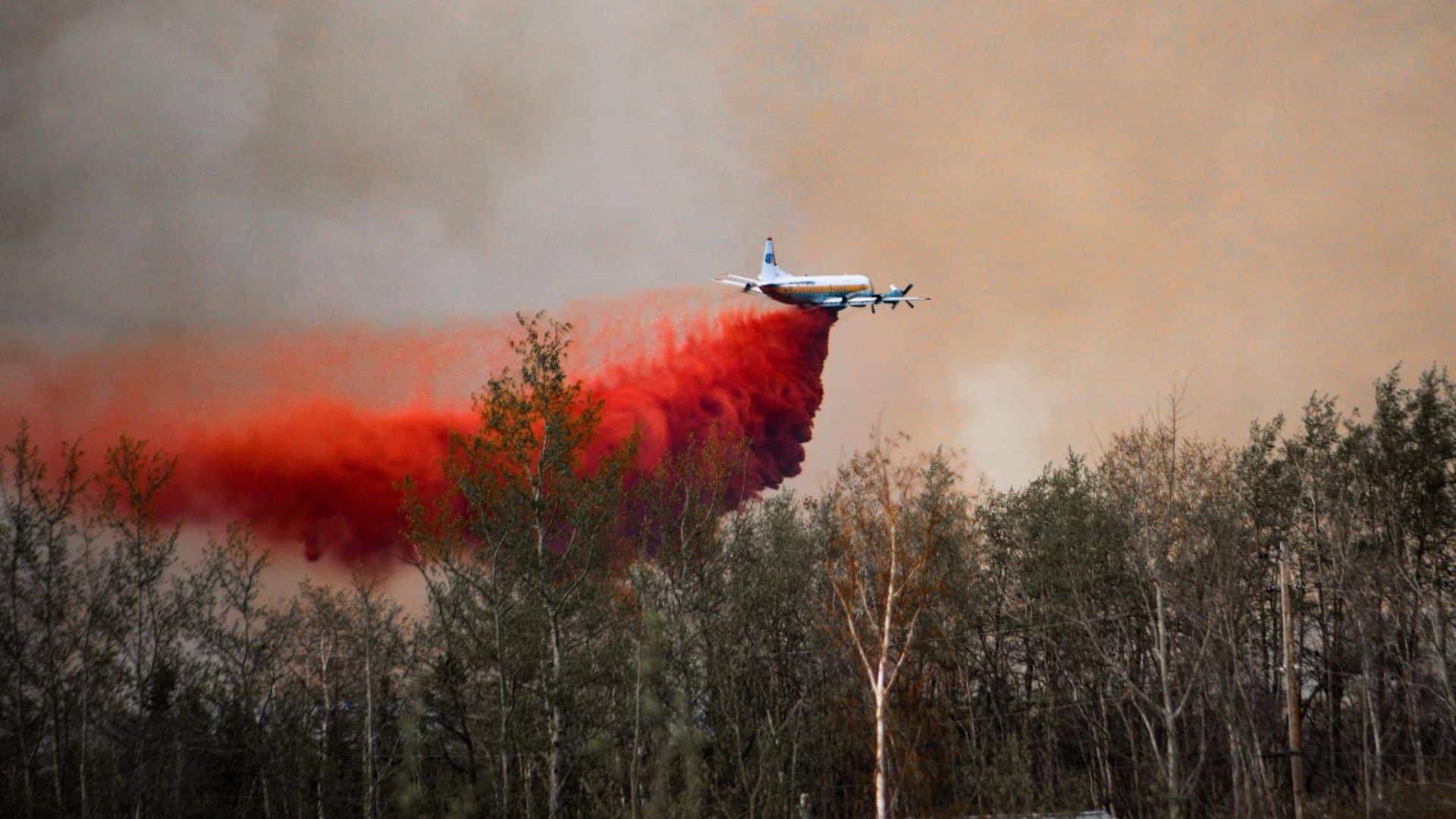
‘Important investment’: B.C. forestry ministry praises $257.6 million federal boost to wildfire fighting
A recent $257.6 million investment to Natural Resources Canada will go towards Canada’s firefighting capacity, including in B.C.