
BC Hydro on wildfire risk prevention tactics in face of hot and dry forecasts
BC Hydro says it’s taking proactive steps to address wildfire risks due to higher-than-average temperatures and dry conditions anticipated in the coming months.
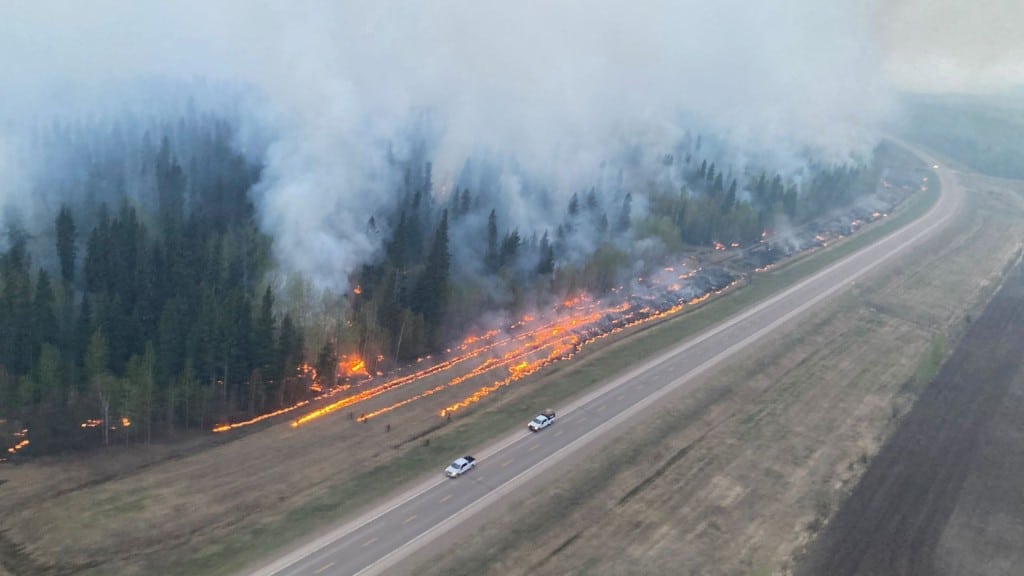
FORT ST. JOHN, B.C. — BC Hydro says it’s taking proactive steps to address wildfire risks due to higher-than-average temperatures and dry conditions anticipated in the coming months.
BC Hydro has been trialling fire-resistant pole wraps between Fort Nelson and the Alberta border. These wraps are made of steel mesh that is coated with a heat-activated barrier, which protects power poles from “radiant heat and flames while allowing water evaporation to prevent decay.”
Northern community relations manager with BC Hydro, Mike Kellett, told Energeticcity.ca that in early 2024, crews cleared vegetation along the right of way of the transmission line running from Rainbow Lake to Fort Nelson from the Fort Nelson River to the Alberta border. This work included installing the fire protection wrap on about 1,000 structures and over 90 per cent of the line.
Kellett said intense wildfire activity in the spring and summer last year resulted in the loss of 16 of the structures, mainly due to fires burning deep into the peaty soil beneath the poles.
He said BC Hydro crews entered the wildfire area in Fort Nelson as soon as they got the go-ahead from the BC Wildfire Service and replaced the structures by August 19th.
“During the restoration operation, crews helped to fortify the replacement poles by installing them in culverts and surrounding them in a gravel base to help prevent similar structure loss,” Kellett said.
The Crown corporation said although wildfire seasons are hard to predict, it focuses on year-round preparation and preventative measures.
Latest Stories
“Crews undergo continuous training to ensure rapid activation of wildfire response plans and maintain a robust inventory of essential materials, such as power poles and associated hardware, for quick deployment in affected areas,” BC Hydro said.
“Vegetation on and near electrical rights-of-way is assessed and managed annually to reduce fuel loading and minimize the risk of outages caused by falling trees and branches.”
These steps come after two devastating years of wildfire-related damages to BC Hydro’s infrastructure. In 2024, it lost 57 transmission structures and 53 distribution poles, resulting in about $15 million in response and repair costs.
The previous wildfire season was even more destructive, with it having to replace about 200 transmission structures and over 1,200 distribution poles.
“[In 2023,] nearly three million hectares of forest and land were burned, leading to thousands of evacuations and widespread damage to homes and infrastructure. BC Hydro crews worked tirelessly during that time, restoring power to over 20,500 customers affected by wildfires,” BC Hydro said in a press release.
It is urging customers to prepare for the upcoming wildfire season by taking precautions:
- Create an emergency kit: Assemble a grab-and-go kit with essential supplies and store it in an accessible, safe location. Regularly check that all items are well-stocked and functional. PreparedBC offers tips on the recommended contents.
- Develop an emergency plan: Share your plan with family members, ensuring everyone knows what to do in an emergency.
- Know your power switch: Locate and label the main electrical switch in your home. Familiarize yourself with how to safely turn it off if evacuation becomes necessary.
- Keep emergency contacts handy: Create a list of critical contact numbers, including fire, police, ambulance services and BC Hydro at 1-800-BCHYDRO (1-800-224-9376).
Last year, the Parker Lake wildfire ignited less than two kilometres from Fort Nelson’s urban boundary. It led to a state of emergency being declared and a full evacuation order being issued.
Stay connected with local news
Make us your
home page
Authors

Related Articles
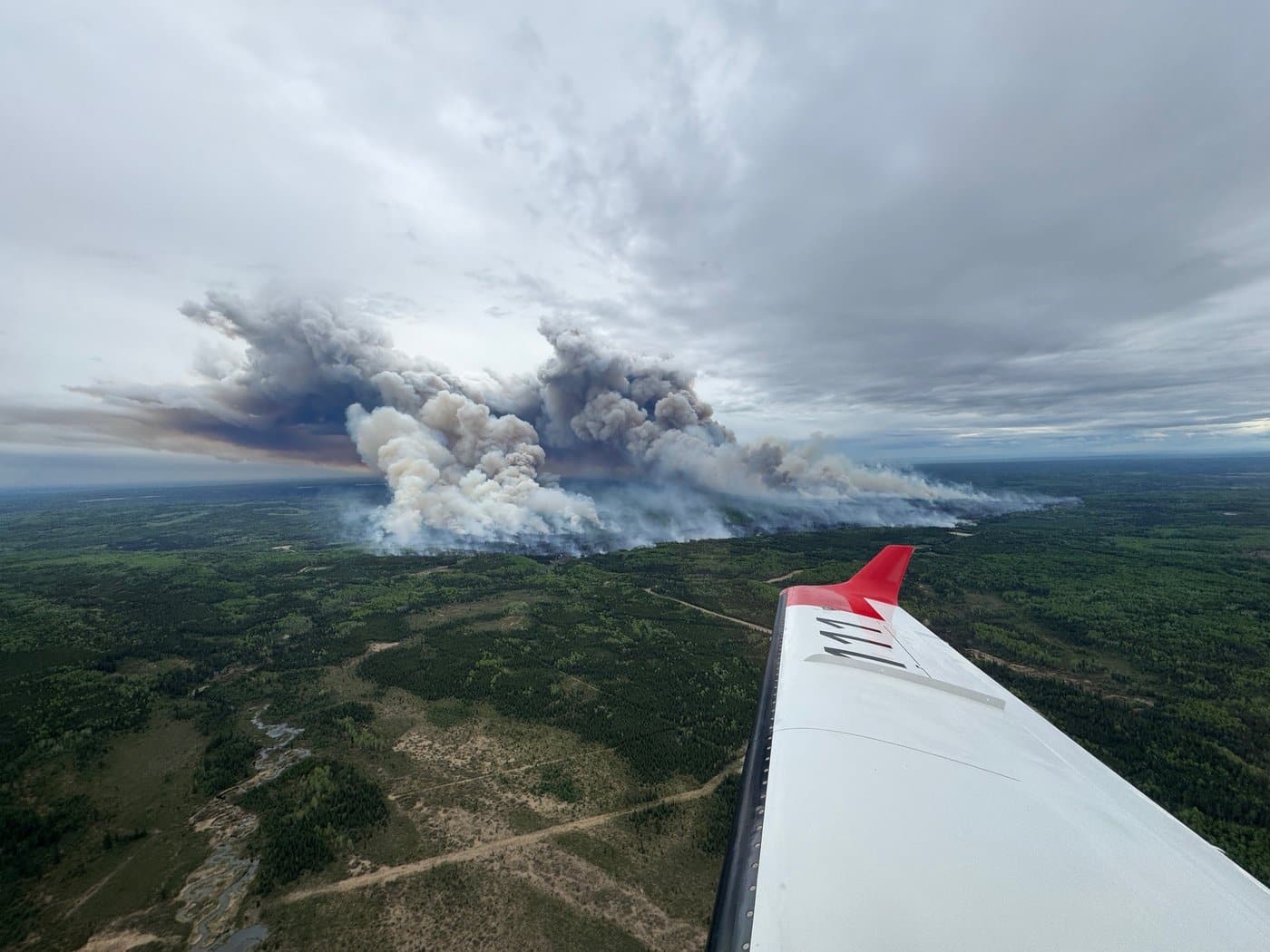
Fort St. John seeks new emergency support volunteers as wildfire season approaches
The City of Fort St. John is looking for volunteers to help the community during evacuations and other emergencies.
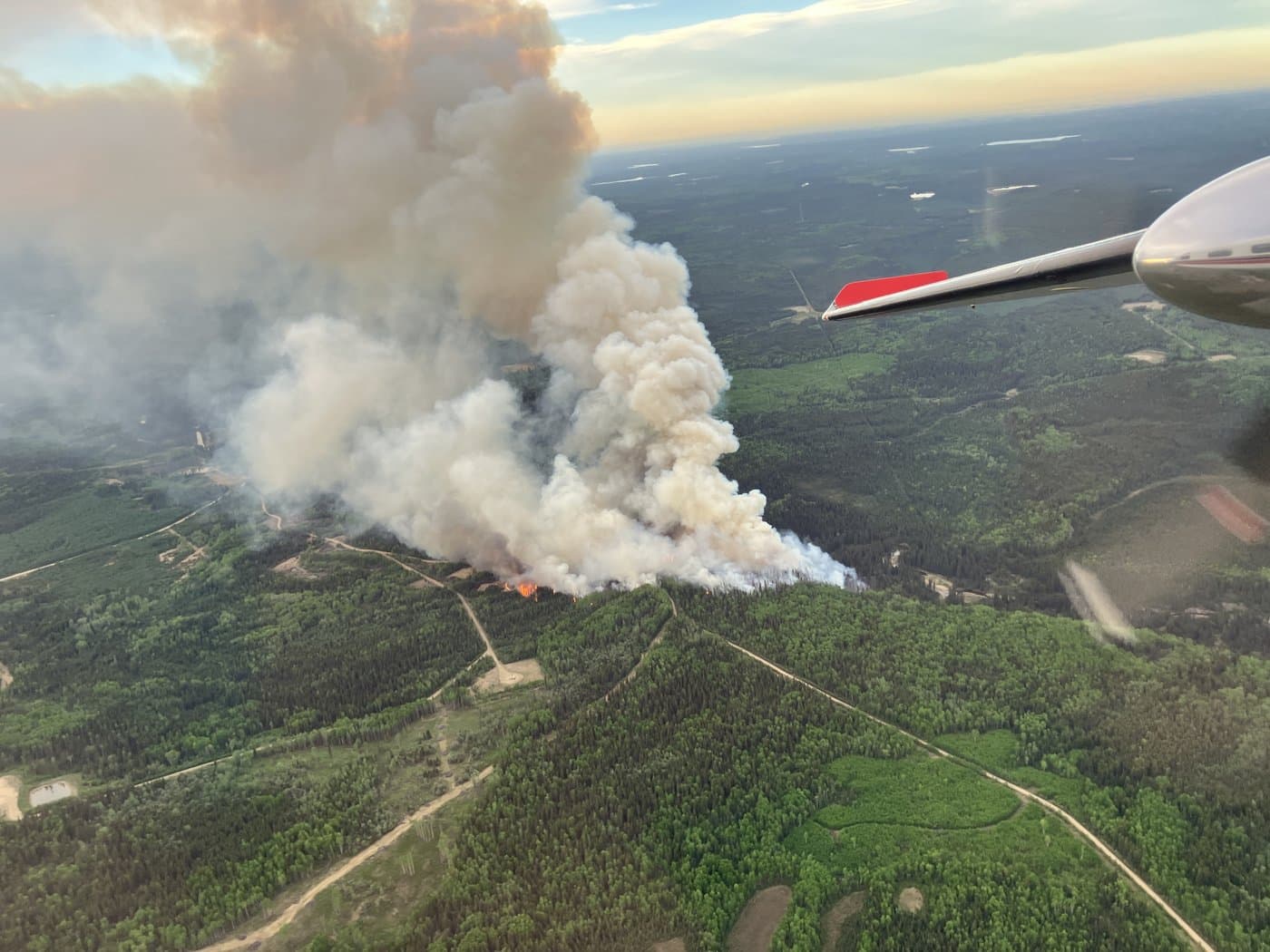
Nearly 200 forest fires fought in northeast B.C. during wildfire season 2025
Wildfire season 2025 saw 199 blazes in northeast B.C., while the province saw 1,350 in total.
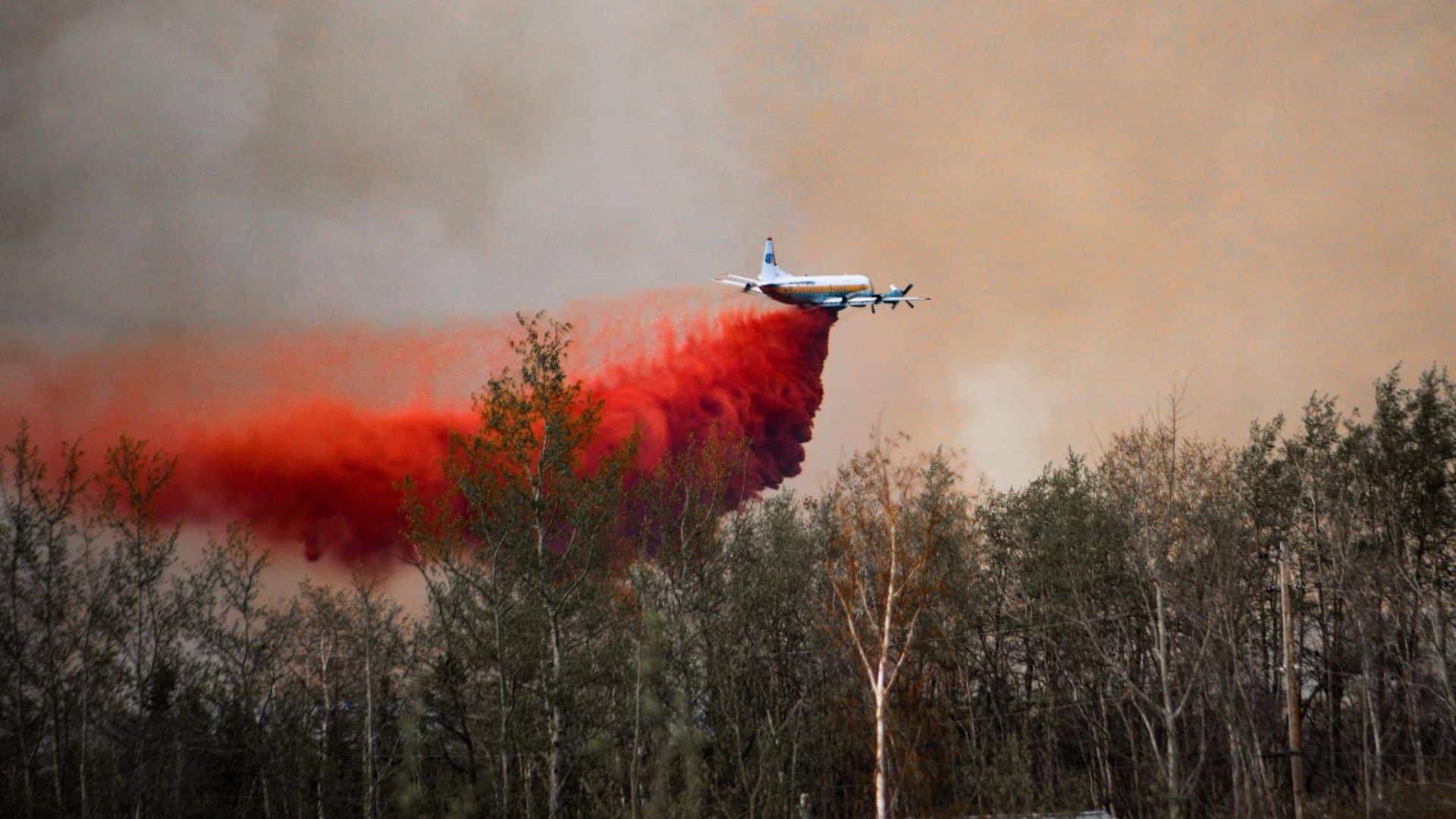
‘Important investment’: B.C. forestry ministry praises $257.6 million federal boost to wildfire fighting
A recent $257.6 million investment to Natural Resources Canada will go towards Canada’s firefighting capacity, including in B.C.