
CRTC aims to bring down internet service costs for Fort St. John and other ‘far north’ communities
Fort St. John and other communities are expected to pay less for the internet as a result of new regulator policies.

FORT ST. JOHN, B.C. — Fort St. John and other communities are expected to pay less for the internet as a result of new regulator policies.
On January 16th, the Canadian Radio-television and Telecommunications Commission (CRTC) announced three policy actions to help improve internet services for northern residents.
The policies would affect Fort St. John, Fort Nelson, and 19 other communities in British Columbia and Alberta, as well as Nunavut, Northwest Territories and the Yukon.
CRTC’s first policy is to launch a public consultation around developing subsidies which better align costs with those in other parts of the country.
According to the Government of Canada, the average “far north” resident pays an additional $72 per month for internet services, but only one fifth receive the services that meet their daily needs.
Another 94 per cent of residents say they experienced an internet outage in the past year.
The CRTC’s second policy is to require Northwestel Inc., the region’s service provider, to automatically reduce customer bills if services have been disrupted for a day or more.
Latest Stories
It has instructed Northwestel to file this amendment to its general tariff by January 30th.
Lastly, the commission will also make it easier for other internet service providers to use the Northwestel network to introduce more competition and choices.
CRTC proceeded with the initiatives after consulting residents, businesses, Indigenous communities and other groups.
The consultation consisted of a week-long public hearing in Whitehorse and the Yukon, where 23 groups made presentations and answered questions.
“Throughout our consultation, we heard about the challenges that residents of the far north face in accessing internet services and the real impact that has on people’s daily lives, from disruptions in online learning to the inability to access healthcare and emergency services,” says CRTC chief executive officer, Vicky Eatrides.
“Today, we are taking action to help address those challenges by making internet services more reliable and affordable.”
The CRTC is described as an independent quasi-judicial tribunal that regulates the Canadian communications sector in the public interest.
Other areas affected by the policies include: Atlin, Blueberry, Bob Quinn Lake, Dease Lake, Fort Ware (Kwadacha), Good Hope Lake, Iskut, Jade City, Lower Post, Mould Creek, Muncho Lake (Fireside and Liard River), Pink Mountain, Prophet River, Telegraph Creek, Toad River, Upper Halfway and Wonowon.
Fort Fitzgerald and High Level will also benefit from the policies in Alberta.
Residents are encouraged to submit comments about the subsidies to the commission through its online form before February 18th.
Stay connected with local news
Make us your
home page
Authors

Related Articles
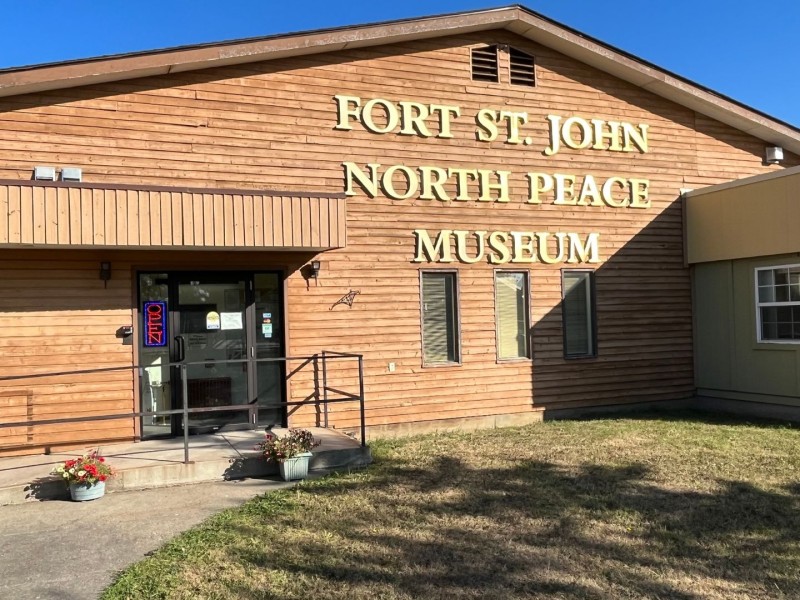
North Peace Museum offering Canada Day scavenger hunt and open house
The museum’s curator said the event on July 1st is an opportunity for residents to see the facility’s new temporary exhibit courtesy of the Charlie Lake Conservation Society.
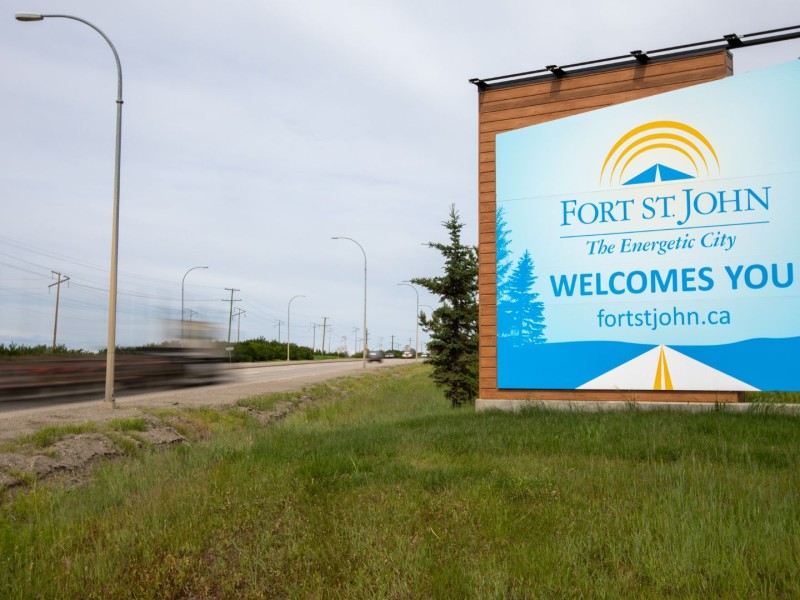
City of Fort St. John hosting annual municipal report meeting
The City of Fort St. John will host it’s annual municipal report meeting on June 22nd at City Hall.