
Hudson’s Hope continues to face uncertainty surrounding permanent water source
The District of Hudson’s Hope continues to face uncertainty surrounding its water source.
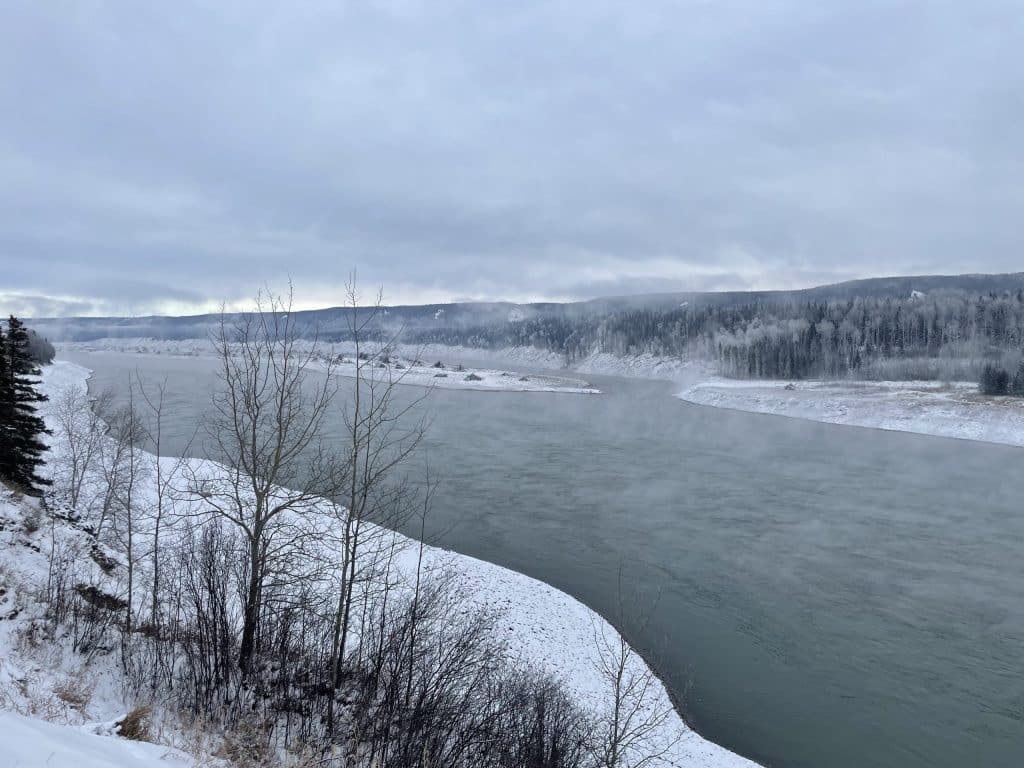
HUDSON’S HOPE, B.C. — The District of Hudson’s Hope continues to face uncertainty surrounding its water source as the hefty cost of a permanent solution is not within the community’s means.
Since late 2021, Hudson’s Hope has faced ongoing challenges in providing potable water to its residents after switching water sources from the Peace River to a water treatment plant using wells and ground-sourced water. The shift in water sources was necessary in anticipation of Site C’s effect on the river.
Shortly after the ground-sourced water treatment plant began operations, well water quality unexpectedly started deteriorating, causing system failures, significant maintenance requirements, and production issues, resulting in significant damage to the treatment plant’s equipment.
These issues led to Northern Health implementing a series of boil water notices and do not consume orders in Hudson’s Hope over a period of 12 months. In addition, the district received numerous complaints from residents about the taste and odour of the water.
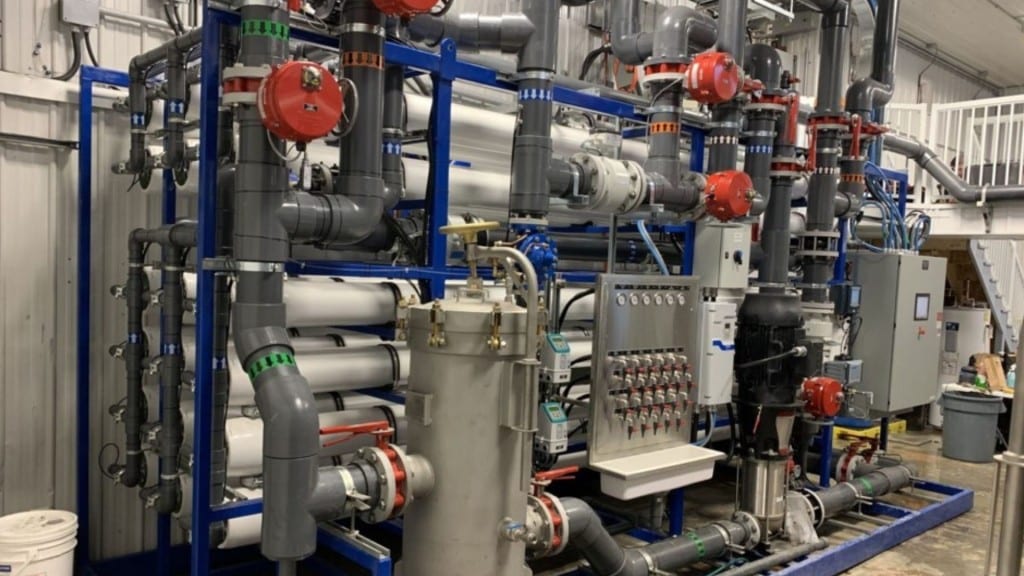
The district addressed the water treatment plant failure by constructing a temporary plant and returning to river-sourced water, implementing a clarification-filtration-disinfection process to meet Northern Health’s requirements for clean drinking water.
Thanks to the temporary system, Hudson’s Hope has had potable drinking water with no interruptions since mid-July 2023. However, the current system was installed in an emergent and temporary fashion, which is fragile, labour-intensive, and costly to operate and maintain.
Latest Stories
The current system includes two temporary water intake pumps lying horizontally within casings at the river’s edge. These pumps have been experiencing clogging issues on their screens due to the growth of algae in the river.
Temporary above-ground water lines transporting raw water to an on-site trailer equipped with a rented clarifier unit are also included in the current system. The rented unit costs between $27,000 to $75,000 per month.
According to a February 9th release, the district has been diligently working on plans to construct a permanent and efficient water treatment plant.
“The financial burden associated with such a project is substantial,” the release states.
“The district has received an implementation strategy, as prepared by McElhanney, outlining viable options and their associated costs at approximately $5,300,000 for the permanent system.”
The district says it has yet to secure funding for the completion of a permanent water system and is using public funds to maintain the temporary solution. These public funds were not included in the 2023 Financial Plan.
“During 2024 budget discussions, the district will examine options to recover costs spent in 2023, determine funding required for water works in 2024, and identify options to fund the construction of a permanent plant in 2025, including borrowing through referendum,” the district explained in the release.
Chief Administrative Officer Crystal Brown says council “expects to make tough decisions” heading into 2024 budget discussions.
“The district is looking at a shortfall of $2 million from 2022 and 2023, with an additional $1.5 million needed for 2024, which is a direct result of the well-based and temporary water treatment plants,” said Brown.
“That is in addition to the $5.3 million required for the permanent water treatment plant.”
The district used funds from the 2023 operational budget and reserves that were initially allocated for other uses to accommodate unexpected expenses the failing water treatment system produced.
Brown says part of the 2024 budget discussions will include determining which projects or works can be deferred or cancelled to help cover the additional expenses. Funds that cannot be covered by budget adaptation will identify the amount the district will need to borrow to manage the $2 million shortfall.
These tough choices re-ignite a question that has been a topic of controversy throughout the ongoing water issues in Hudson’s Hope — who should be financially responsible for the cost of a permanent water system?
Brown says the district’s stance is that Hudson’s Hope residents “should not have to bear the financial burden” of emergency costs acquired due to the water treatment plant failure in 2022.
“This includes the district switching from well water to the Peace River as the drinking water source, implementing the temporary treatment plant, and the funds that are now required to build a permanent water treatment plant,” said Brown.
“Access to potable water is a fundamental human right. Hudson’s Hope has had that right at risk ever since being required to find an alternative water source due to the Site C reservoir indicated impacts.”
According to Statistics Canada’s 2021 Census Profile, Hudson’s Hope consists of approximately 841 residents who Brown believes “already bear significant financial responsibilities.”
Brown says many of these financial responsibilities have been exacerbated due to the overall rise in the cost of living.
“Requiring residents to pay for expenses related to the water treatment plant will have a profound impact on the community, disproportionately affecting those with limited financial resources and vulnerable populations within our community, including low-income families, seniors, and marginalized groups,” said Brown.
“Between aging infrastructure, regulatory requirements, and recent provincial downloading, residents will already need to prepare themselves to see increased taxes.”
Brown says council has made its intentions known that they are unwilling to cut existing service levels to pay for a permanent water system.
Peace River North MLA Dan Davies believes the financial responsibility for a permanent water system falls upon BC Hydro.
“None of this would have been an issue if it wasn’t for BC Hydro and Site C coming on,” said Davies.
“The whole reason for them initially having to move their water source from the original one, which was working just fine, was because of everything that’s happened with mitigating Site C.”
Davies believes BC Hydro “needs to be reasonable” in supporting Hudson’s Hope residents’ access to clean drinking water.
“$5 million for the town of Hudson’s Hope is a lot of money to be borne by its residents,” said Davies.
“There needs to be an understanding, and I think this is the key — they’re in this situation right now because of Site C. BC Hydro needs to be at the table in coming to a solution with the mayor and council and figuring out a way forward that’s best and fair for residents of Hudson’s Hope.”
Site C Community Relations Manager Bob Gammer says as part of the project, BC Hydro committed to mitigating the effects of the dam and reservoir on Hudson’s Hope infrastructure by replacing the district’s water system.
“Early in the project, BC Hydro committed to fund a replacement of the District’s river intake system with a reservoir intake system,” said Gammer.
“In 2019, the District of Hudson’s Hope chose instead to build a well system, and we provided nearly $5 million to the District to support this work.”
According to Gammer, BC Hydro has provided the district with nearly $6 million to date in total for costs related to the water treatment plant.
“This includes the $5 million to replace their river intake system and more than $1 million for the costs associated with the emergency response when their water system failed in 2022 and for work associated with returning to a surface water system,” said Gammer.
“At this time, we continue to work collaboratively with the District of Hudson’s Hope as they transition back to a permanent surface water system.”
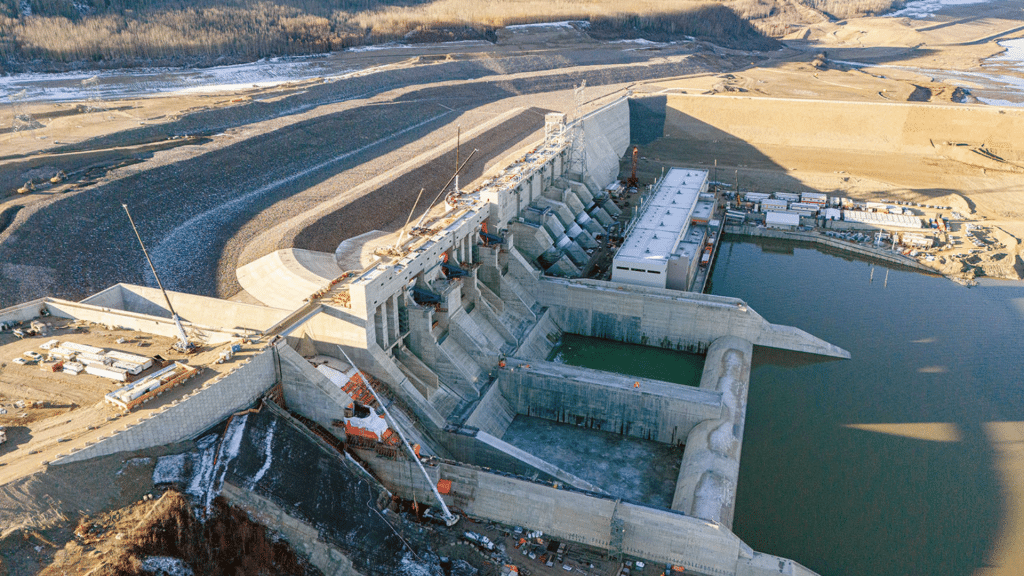
Collaboration with BC Hydro to develop a permanent water treatment system is what the district “firmly believes” would contribute to the communities’ overall well-being, prosperity, and long-term sustainability, according to Brown.
“BC Hydro has agreed to and continues to meet with the district to determine what this support looks like,” said Brown.
“At this time, no agreements have been reached to cover the remaining financial shortfalls for the temporary water treatment plant or any portion of the permanent water treatment plant.”
Brown says with no agreements in place, the district has begun the process of borrowing funds to cover the cost of a permanent water system.
“We deeply identify with our residents that clean drinking water is a necessity of life,” said Brown.
“The current temporary water treatment plant is too costly to continue running as a long-term method and does not provide the resilience required for a community’s only water source.”
Despite the uncertainty of where the funding will come from, Brown says the district will continue to move forward in the development of a permanent water treatment plant.
Stay connected with local news
Make us your
home page
Authors

Related Articles
$185M budget floated for Fort St. John replacement pool project
The City of Fort St. John has released concept sketches for the replacement pool, which is expected to cost approximately $185 million.
‘I was so scared’: Community rallies after family home of 11 children destroyed by fire
Guy Grenier and his family, including 11 children, were living in a log house in Arras which was destroyed by a fire on Thursday, March 12th.
Former Site C dam worker sentenced after stabbing colleague in back with serrated knife
A former worker at the Site C dam, Stephen Barnes, has been sentenced to 222 days in jail for one count of aggravated assault after an incident in August 2024.