
Cultural significance of First Nation’s traditional crafts
A few local First Nations members believe traditional art and crafts signify the strength of Indigenous cultural identity.
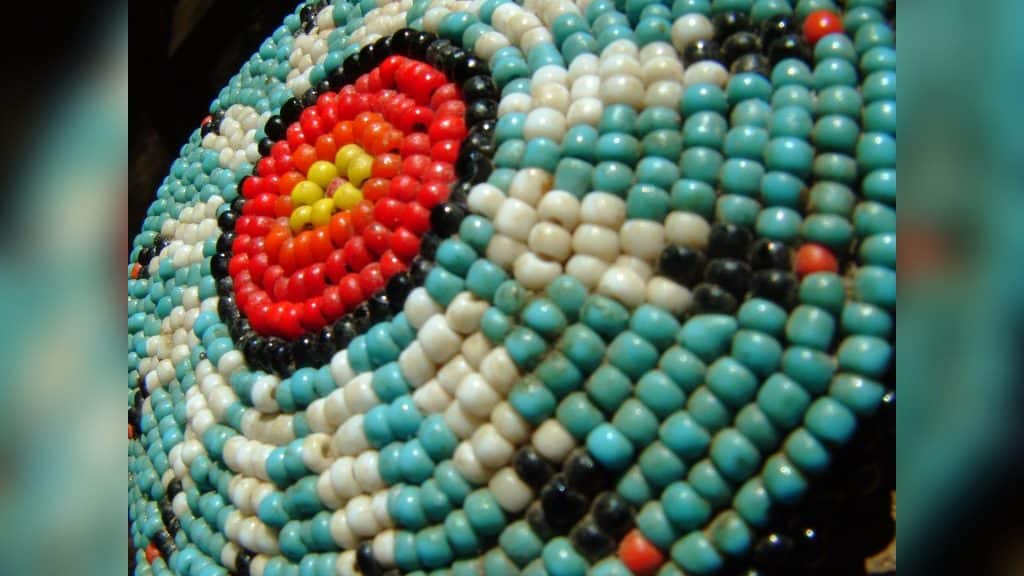
FORT ST.JOHN, B.C. – Local First Nations members believe traditional art and crafts signify the strength of Indigenous cultural identity.
According to Sandra Apsassin, the Elders coordinator for Blueberry River First Nation, sewing and beaded designs are art forms that define and shape her personality.
Apsassin believes traditional crafts are influential in preserving Indigenous communities’ cultural history.
Local News Straight
to Your Phone
Download our app today!
Available on Android and iOS devices
“I remember my grandmother through these art forms,” said Apsassin.
First Nations’ idea of art is connected to their surroundings and environment. Apsassin said both beading and sewing art forms draw their inspiration from Indigenous land and resources.
“Our art crafts are a way of communication with our sacred land and creator.”
Basketry, Moose Hair Tufting, and Quillwork are other traditional art crafts of Indigenous people.
Latest Stories
According to North Peace Museum curator Heather Sjoblom, traditional art crafts strengthen the Indigenous identity. Sjoblom believes that a community’s values are visible through its traditions and art and crafts.
In her article Beads: Symbols of Indigenous Cultural Resilience and Value, Malinda Gray, a Ph.D. candidate in Indigenous studies attending Trent University in Peterborough, Ontario., explained the history and the importance of beadwork designs in Indigenous communities.
Beadwork designs and patterns come to Indigenous artists via dreams and are considered a sacred gift from the creator, according to Gray.

While creating designs, it is essential to recognize the meaning of different colours and patterns in Indigenous communities.
“Orange colour represents survival; black, red, yellow, and white represent colours of medicine,” said Gray.
As an Indigenous artist, Apsassin knows the socio-economic benefits of these art crafts, especially for women.
“Through these art forms, women can express their feelings and be proud and preserve an important aspect of First Nations history,” said Apsassin.
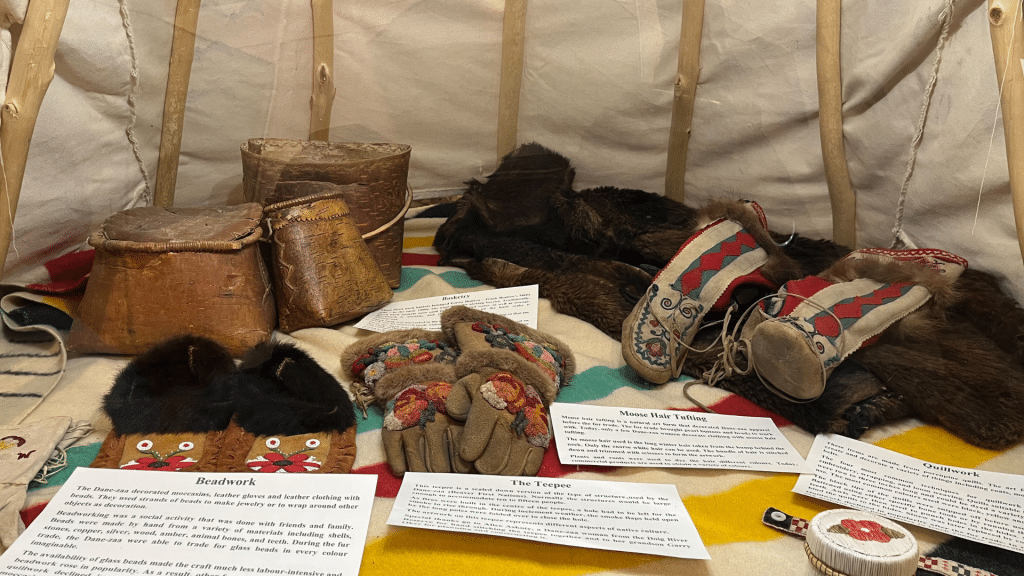
Rita Glover, a Doig River First Nation Elder, believes “traditional art crafts are healing medicine for women.”
For Glover, beading is the best mental exercise that creatively channelizes her energy. One of her favourite aspects of beading is teaching younger generations, which Glover believes is vital to keep Indigenous art alive.
“It gives me satisfaction and happiness when I see young Indigenous kids learn and heal through our art crafts.”
Glover feels bead artists, especially Indigenous women, are now being taken seriously in the mainstream media, which is a positive sign for our traditional art and Indigenous identity.
Due to the cultural trauma experienced by Indigenous communities, traditional art crafts remain an essential medium in their healing process.
“Our survival depends on our traditions and values; we are committed to creating opportunities and an environment where young Indigenous kids should carry the legacy of our ancestors through traditional art crafts,” said Glover.
Stay connected with local news
Make us your
home page
Authors

Related Articles
B.C.’s latest credit downgrade signals ‘something wrong’ with finances: economist
VICTORIA — An economist says the latest downgrade for British Columbia’s credit rating will discourage companies from investing in the province. Standard & Poor’s global ratings lowered its rating this…
Guild distributes quilts made to spread love to Tumbler Ridge
Quilters province-wide sent pieces to Tumbler Ridge after an appeal in the wake of the tragedy in February.

Snowfall, ‘rapidly changing’ weather expected, says Environment Canada
Heavy snowfall is expected in northern B.C. on April 6th, according to a weather alert from Environment Canada.