
Dawson Creek awaits permits for new water supply amid continuing emergency state
The City of Dawson Creek provided an update on its overland water transfer plan, which it began due to its ongoing state of local emergency (SOLE) due to the Kiskatinaw River’s water levels.
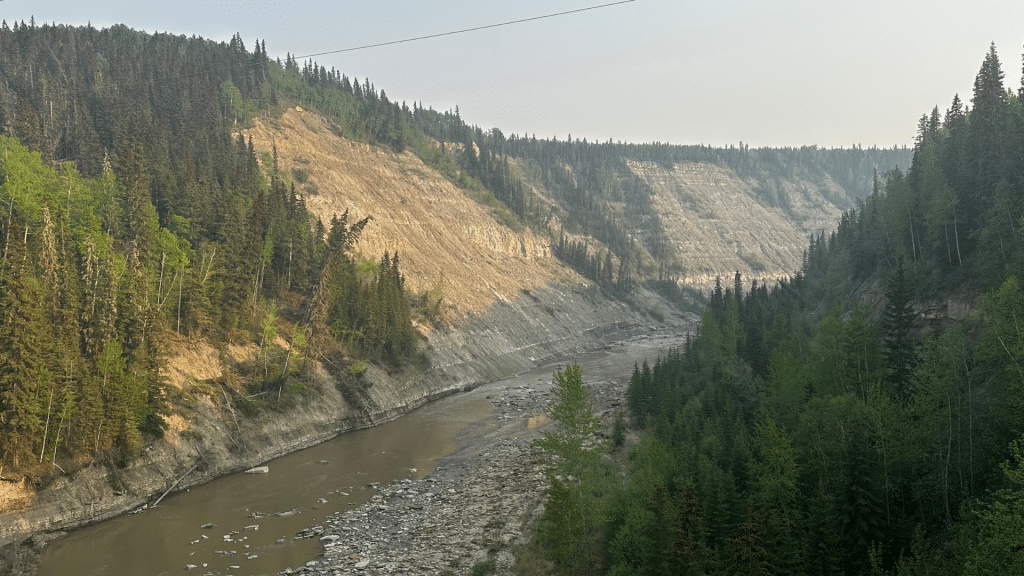
FORT ST. JOHN, BC. — Dawson Creek is still waiting for permits to lay hoses along highways as its water supplies run low.
In a December 4th press release, the City of Dawson Creek provided an update on its emergency overland water transfer plan, which it began due to its ongoing state of local emergency (SOLE) due to the Kiskatinaw River’s water levels.
In recent updates, the city noted that despite having only 150 days of water supply left back in September, the river has since mildly improved to 180 days.
Local News Straight
to Your Phone
Download our app today!
Available on Android and iOS devices
The municipal government noted its emergency operations team was continuing to work through “an extensive permitting process.”
The process has involved multiple ministries, organizations and private companies to execute its overland hose plan, which would allow the city to lay hoses along highway corridors to transfer water from the Peace River.
“Work continues on planning the overland hose route from the Peace River, including detailed mapping, engineering reviews and ensuring safe crossings such as culverts and CN Rail approvals are in place,” the city stated.
The government has submitted applications to various provincial ministries, including Ministry of Water, Land and Resource Stewardship, and is waiting for approval which would allow for short-term water use under the province’s Water Sustainability Act.
Latest Stories
“Once approvals from the Ministry of Transportation and Transit are granted, crews can begin preparing culverts—cleaning and readying them for potential hose placement.”
It stated hoses would only be deployed when the supplemental water was needed due to reservoir levels dropping.
“Due to some recent precipitation, favourable weather, careful water management and community conservation efforts, we are in a better place than when this emergency first started,” the release said.
“We have been able to maintain levels in our reservoirs and have not had to utilize them yet.”
The city’s current SOLE began on October 28th, has been extended twice and is set to expire on December 9th.
At this time, the city is enforcing ‘stage three’ water conservation measures, which include restricting the hauling of potable water for non-potable uses.
Residents, businesses and contractors are all reminded and encouraged to limit their water consumption to essential needs only.
Stay connected with local news
Make us your
home page
Authors

Related Articles

Measles cases remain static across B.C. in latest report
The BC Centre for Disease Control has reported no increases in measles cases in its second weekly report of March 2026 on the 12th.

Fort St. John woman alleges mother sexually assaulted at Peace Villa
Amber McGill alleges her mother, who currently lives in Peace Villa, was the victim of sexual assault at the long-term care home.

Man sentenced to nearly four years jail time for Dawson Creek home invasion
Adam Dahr was sentenced on March 10th, 2026, to jail for nearly four years for a home invasion in Dawson Creek in 2024.