
New party merger rules recommended after election which saw fall of B.C. United
In the third volume of its report regarding the 2024 provincial election, Elections BC recommendations policy changes over how two or more parties can merge into one.
FORT ST. JOHN, B.C. — In the aftermath of the election that spelled trouble for the B.C. United party, the agency responsible for managing British Columbia’s elections is urging policy makers to consider introducing rules for party mergers.
Elections BC has released the third volume of its report to the chief electoral officer regarding the October 19th, 2024 provincial election.
The third volume contains recommendations for policy changes that it says would improve the administration of future provincial elections.
In addition to specific changes with concrete recommended alterations to the Elections Act, it also includes a list of ‘public policy considerations,’ urging legislators to review “gaps or emerging issues in the current legislative framework” and identify solutions proactively.
One of the listed considerations in the report is the lack of regulation surrounding political party mergers.
This comes after an election that saw the B.C. United party suspend its campaign after entering an agreement with the Conservative Party of B.C. to consolidate the two parties’ pool of candidates.
While several former B.C. United MLAs and candidates ended up running as Conservatives, the agreement ultimately didn’t constitute a full merger.
Latest Stories
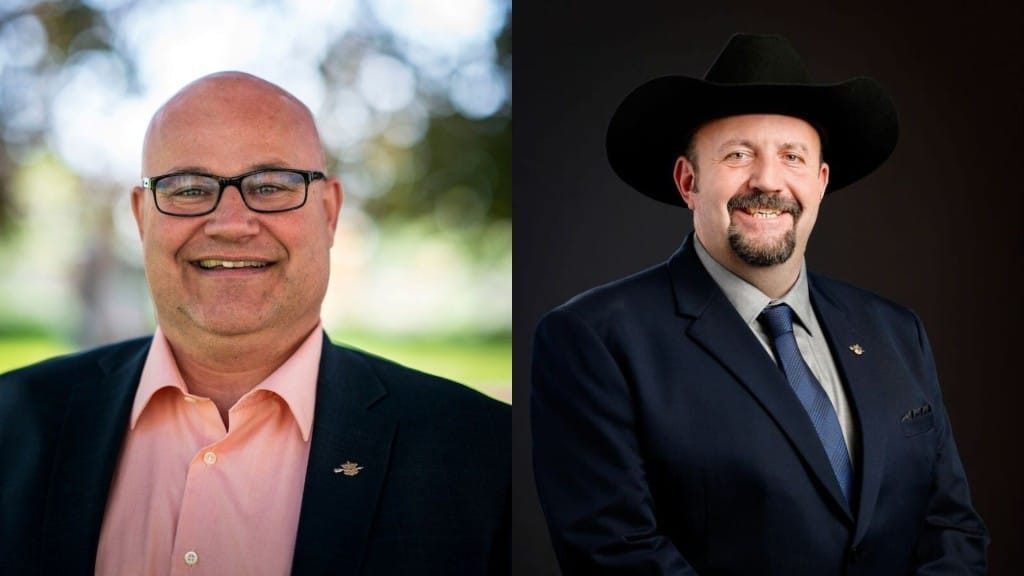
The fall of the party forced then-Peace River North MLA Dan Davies to run for re-election as an independent candidate. Davies ultimately lost the election to Jordan Kealy, who ran as a candidate for the Conservative Party of B.C.
Kealy later defected and became an independent MLA.
As of October 30th, 2025, B.C. United is still listed as a registered political party by Elections BC.
According to Elections BC, while the Elections Act does contain “provisions for the registration, suspension and deregistration of political parties,” and restrictions on what names they can use, there are no clear rules or procedures on how two or more parties can merge into one.
Additionally, two current provisions — a moratorium on the use of a de-registered party’s name and a rule regarding political contribution maximums that impedes pooling assets — act as barriers to prevent mergers.
Despite those barriers and the lack of any other clear regulations, one provision does allow the chief electoral officer to set rules for annual allowances to “merged political parties.”
In the report, Elections BC points to other jurisdictions with clear rules for party mergers, including the federal Canada Elections Act and Alberta’s Election Finances and Contributions Disclosure Act.
“Legislators may want to consider adding rules to the Election Act to address party mergers,” the report reads. “These rules should address matters related to party names and registration procedures, financial transfers, contribution limits and reporting requirements.”
Stay connected with local news
Make us your
home page
Authors

Related Articles
Laundry, dishwashing, shorter showers: Fort St. John people asked to delay non-essential water use after leak discovery
Repairs to the feeder water main are set to begin on Thursday, February 5th and are expected to be completed within 48 hours.

Number of hours of northeast ER closures declines year-on-year in January, with Chetwynd ER shut twice
Northern Health reported two emergency room closures in northeast B.C. during January 2026, down from five in the same month in 2025.
First Nations clinic steps up as sponsor for masquerade ball
The Chetwynd and District Hospital Foundation’s sponsors for the 2026 Masquerade Ball include the South Peace First Nations Primary Care Clinic, Tourmaline Oil and Canadian Natural Resources Limited.