
Locals celebrate Holi with traditional principles of Hinduism
The Hindu community in Fort St. John will celebrate Holi, the festival of colours, this week to spread the message of diversity.
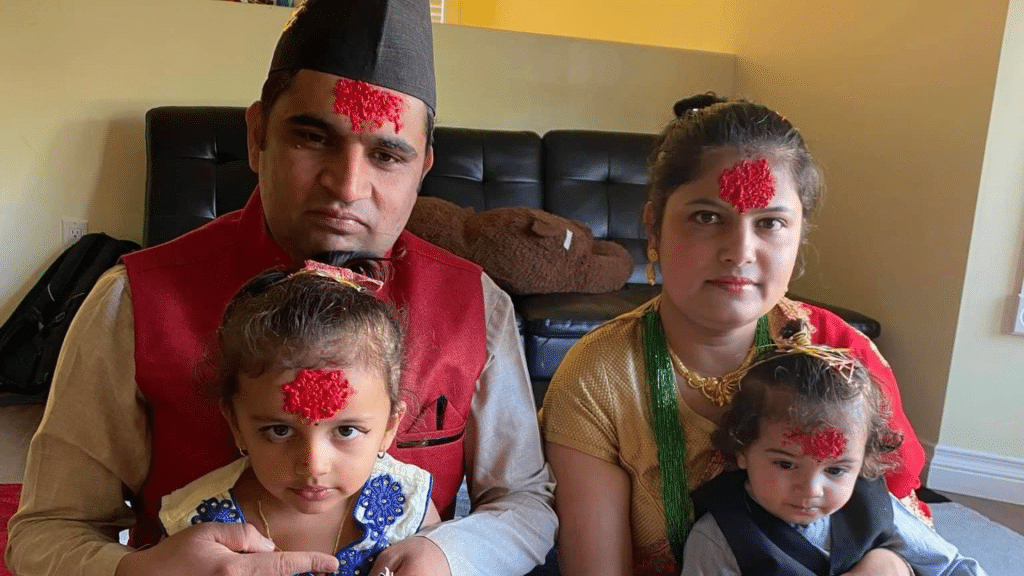
FORT ST. JOHN, BC. — The Hindu community in Fort St. John will celebrate Holi, the festival of colours, this week to spread the message of diversity.
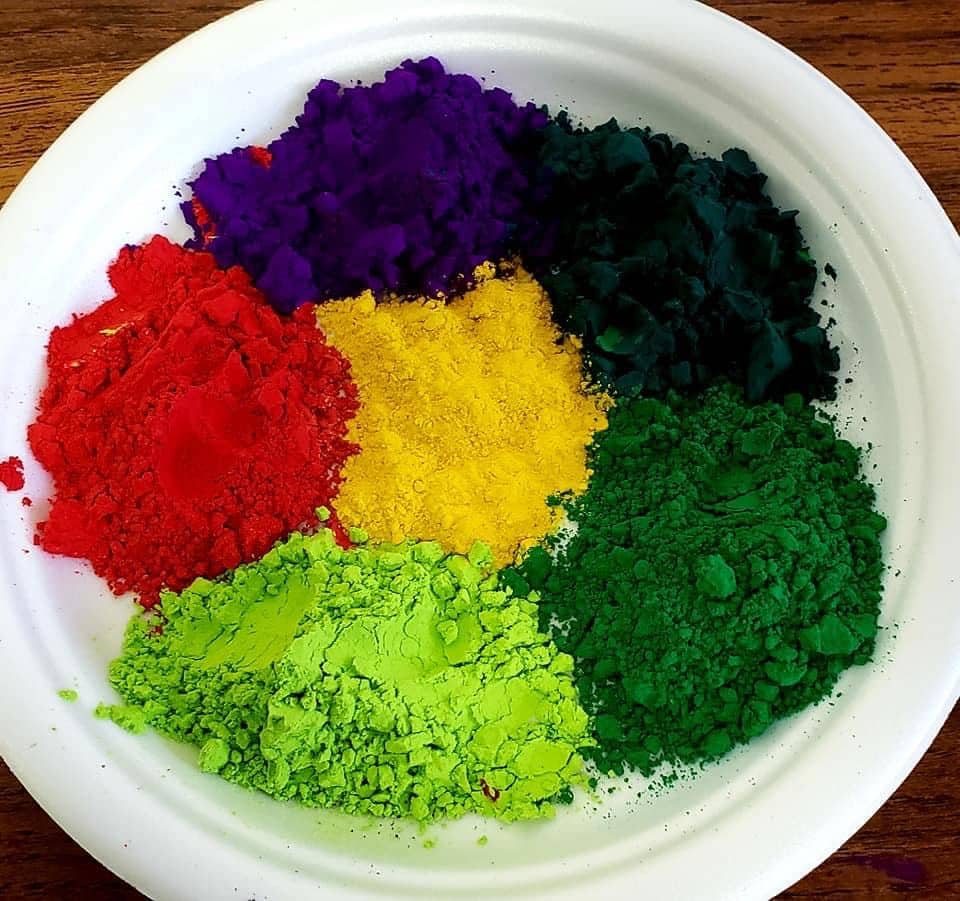
On March 6th and 7th, 2023, Hindus around the globe celebrate the festival to honour the God Krishna. During this festival, Hindu community members worship their God and celebrate by putting colours on their faces, signifying their belief in universal love beyond race and religion.
The Nepalese community plans to celebrate by throwing nontoxic coloured powder on each other’s faces, singing sacred songs, playing cards and eating delicious foods like Sel Roti (typical Nepalese cuisine).
Bharat Ghimire, a member of the Nepalese Fort St. John Hindu community, says Holi is believed to be the last full moon of the Hindu Calendar, which usually falls in March.
Hindus worldwide celebrate this festival to show the triumph of good over evil. According to Hindu mythology, there was a fight between God and Demon, and God Vishnu (as a form of Narasimha Narayan) defeated Hiranyakashipu on the last full moon.
Ghimire believes the festival will bring joy and energy to all the Hindus and encourage them to start fresh and do something new.
Latest Stories
“Holi is taken as the start of the spring season, which signifies new beginnings and transformations,” said Ghimire.
For Kala Dhakal, a member of the local Nepalese community, Holi is a celebration of positivity and gives Hindus a chance to remember their Gods.
Rakesh Rai, who arrived in the country four months ago, is excited to celebrate Holi in Canada for the first time.
“We used to play music, dance, and have fun with our family and friends back home, and I am looking forward to this day to be together with all the Nepalese in this area,” said Rai.
Bijay Sharma, originally from Nepal, says Fort St. John feels like home because of the various celebrations and cultural practices.
“When I came to Fort St John in 2020, I thought I had nobody here and worried about my celebrations and cultural shock. However, I got an opportunity to attend different celebrations, which changed my thinking and made me feel like I am in the home country when these celebrations happen,” said Sharma.
“People gather around the temple, burn the fire and sing holy songs and ask for blessings with the God,” said Ghimire.
Holi is celebrated each March for two to three days and is also called “Fagu Purnima” in Nepal.
There is no temple in the Peace region for the Hindu community to celebrate or gather for events such as Holi. Ghimire hopes for all Hindus in the area to gather in the future to build one.
Stay connected with local news
Make us your
home page
Authors

Related Articles
Local drummer begins group partnering with Saulteau First Nation
Nathan Scott is a first Nations drummer who began the group in Chetwynd, aligning with local community Saulteau First Nations.
Spirit of the Peace Pow Wow postponed until 2027
The Spirit of the Peace Pow Wow’s board outlines “significant changes” to the board’s structure as the reasons behind the cancellation.

Video This Week in the Peace – BC Wildfire Service & Artist Charlie Parslow
On this episode of This Week in the Peace, hear from the BC Wildfire Service and local artist Charlie Parslow