
WorkSafe BC warns of dangers around summer conditions
WorkSafe BC is encouraging employers to prepare plans to counter illnesses related to heat stress as temperatures rise.
FORT ST. JOHN, B.C. — Employers across British Columbia are encouraged to take steps to prevent illnesses related to heat stress, according to WorkSafeBC.
In a June 16th news release, WorkSafeBC said employers should begin preparing for risks aligned with summer weather.
“Heat, UV exposure and wildfire smoke pose health risks for workers, and conditions can change quickly,” said Todd McDonald, head of Prevention Services at WorkSafeBC.
McDonald advised against waiting for a heat wave or smoky skies to develop a hazard plan and encouraged employers to have a plan in place and to consult workers and health and safety committees when planning.
As part of summer prevention work, WorkSafeBC officers will check whether employers have assessed risks and developed the necessary controls.
According to WorkSafeBC, the risk of heat stress is increased in select indoor and outdoor occupations and sectors.
“Outdoor workers in industries such as construction, agriculture, transportation and public works are at higher risk,” the release said.
Latest Stories
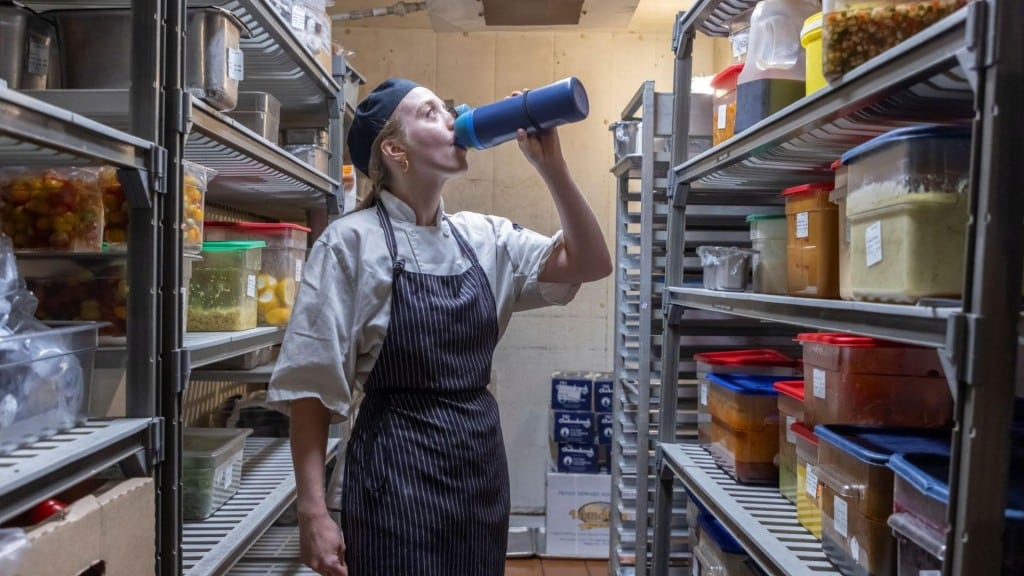
WorkSafeBC also said those working in indoor environments, including kitchens, warehouses and manufacturing facilities, can be affected by heat stress.
Serious health effects can come from heat stress.
According to WorkSafeBC, the risk of heat stress increases due to factors such as high humidity, radiant heat from equipment, and limited air movement.
Physically demanding work, protective clothing, individual factors such as hydration and fitness levels and certain medications can also increase the risk of heat stress.
WorkSafeBC encourages employers to assess risks of heat stress based on workplace conditions, job demands and other factors that may increase a worker’s vulnerability to heat-related illness.
WorkSafeBC has developed a list of steps employers should take when risks around heat stress are identified:
- Monitor workplace conditions and regularly reassess
- Provide regular rest breaks and cool drinking water
- Create shaded or cooled areas for recovery
- Schedule strenuous work for cooler parts of the day
- Improve ventilation and cooling for inside work areas
- Rotate hotter and cooler environments for workers
- Train workers on how to identify early signs of heat stress and how to seek first aid
- Encourage employees to report symptoms and share unsafe conditions
Symptoms of heat stress include muscle cramps, excessive sweating, nausea, weakness and more.
Employers can also take steps to protect employees from wildfire smoke by monitoring air quality, adjusting work schedules or locations when smoke levels increase and ensuring ventilation systems are working and filters are replaced when needed.
For information on staying safe during summer weather, see the release.
Stay connected with local news
Make us your
home page
Authors

Related Articles

‘Spirit of Treaty 8’ documentary screening takes place in Fort St. John
The screening of the documentary took place on June 21st, National Indigenous Peoples Day.
Taylor’s council reviews amendments to Unsightly Premises and Maintenance Bylaw
The District of Taylor’s council reviewed staff amendments to the proposed Unsightly Premises and Maintenance Bylaw No. 909, 2026

Taylor council discussed remuneration for election officers
The District of Taylor council discussed the remuneration for election officers for the upcoming 2026 general local elections.