
Doig celebrates opening of hide house with gathering
Aẕís Kwą̂, a Beaver language phrase translating to ‘hide house’ was open on Thursday, April 30th.
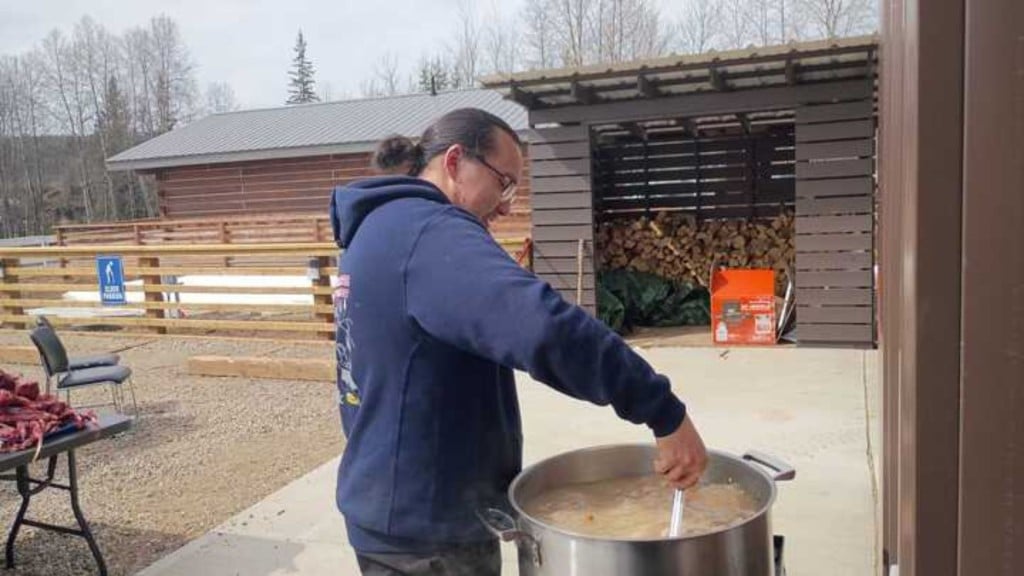
ROSE PRAIRIE, B.C. — Drums, traditional knowledge, and bison were on display as a new cultural experience centre opened at Doig River First Nation (DRFN).
‘Aẕís Kwą̂ – a Dane-zaa term translating to ‘Hide House’ – was opened with a gathering on Thursday, April 30th.
DRFN councillors Starr Acko, Brittany Robertson and Korbin Davis were in attendance and apologized for Chief Justin Davis, who was unable to attend due to having recent surgery.
Looking for something to do?
Check out our new Events Calendar!
“This space represents an important milestone of our community and a meaningful investment in the preservation and continuation of our culture,” Acko told attendees. “This space is more than a physical structure.”
“It reflects our collective commitment to protecting cultural knowledge, honouring our ancestors and ensuring that traditional practices remain strong and accessible for generations to come.”
The brand new building was conceptualized by DRFN’s Culture Heritage and Language Manager, Thomas Whitton, in 2023.
The actual construction of the facility was handled by West Sixth Construction. Whitton had accessibility in mind for the community’s Elders when creating the space.
Latest Stories
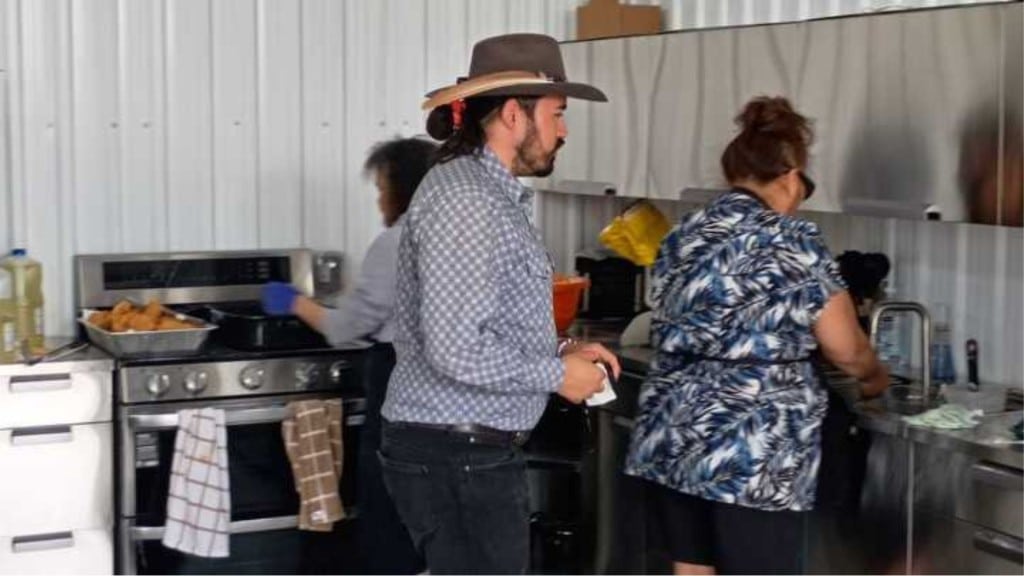
“It’s about generational knowledge transfer and making it as seamless as possible,” Whitton said. “We have a lot of elders that are not able to physically cut up a moose anymore. We want to make it accessible to them, to be able to do it without an issue and to pass down knowledge to the youth as they continue to get bigger and interested in hunting.”
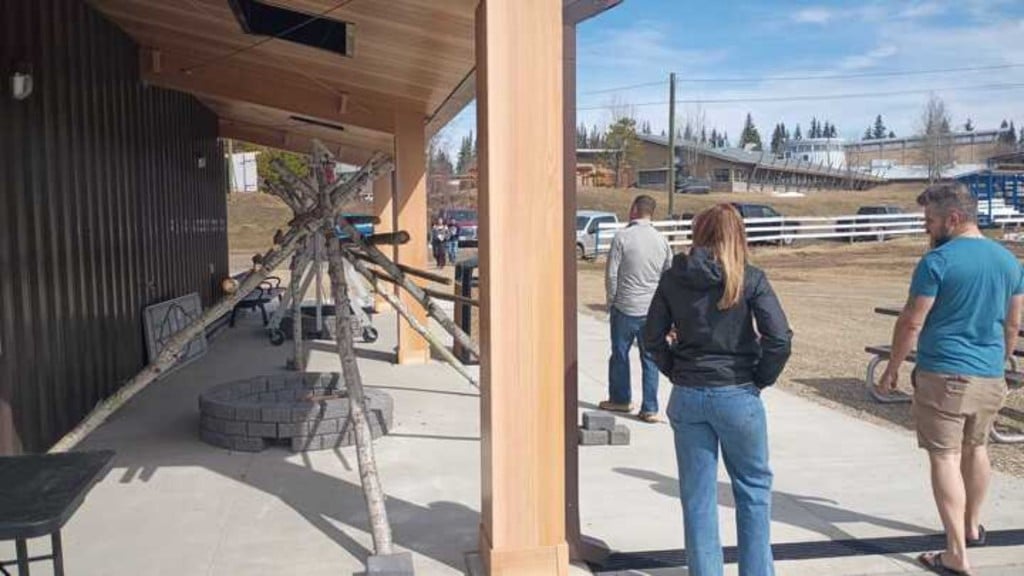
The space features pull-down doors at either side of the space, along with four fire pits on either side, two fitted with racks to smoke dried animal meats.
There are spaces for a ringing rack and poles for a stretching rack, designed to stretch out hides and dry them during the hide-tanning process
While attendees gathered, some elders cut up bison, preparing to smoke it along the racks during the day.
Inside the enclosure, the entire space is open, ensuring there is enough room for cutting, drying and tanning moose hide.
“It’s all hypoallergenic, so we could hose it down with a pressure washer and some soap and not have to worry about it,” said Whitton.
Keeping with the theme of accessibility, a traditional tripod to smoke animal meat was over one fire pit, with an automated gantry crane on the other.
“Whether they use this system or a tripod system is completely up to them,” said Whitton. “The gantry crane is just easy. They can plug it in. They can have their hide on there. They can lower it, bring it up [or] down. For somebody with physical disabilities these days, that’s huge.”
Gerry Attachie, former DRFN Chief, told Energeticcity.ca the opening of the house is another example his community has “come a long way” toward building back traditional teachings and culture in his nearly 80 years.
“[Before] we would have to cut the meat now before it got too hot,” said Attachie. “With this house now, they can come here and you can cut it here.”
Door prize giveaways and the DRFN drummers performed to open the event. The grand opening took place on DRFN territory on Thursday, April 30th.
Stay connected with local news
Make us your
home page
Authors

Related Articles
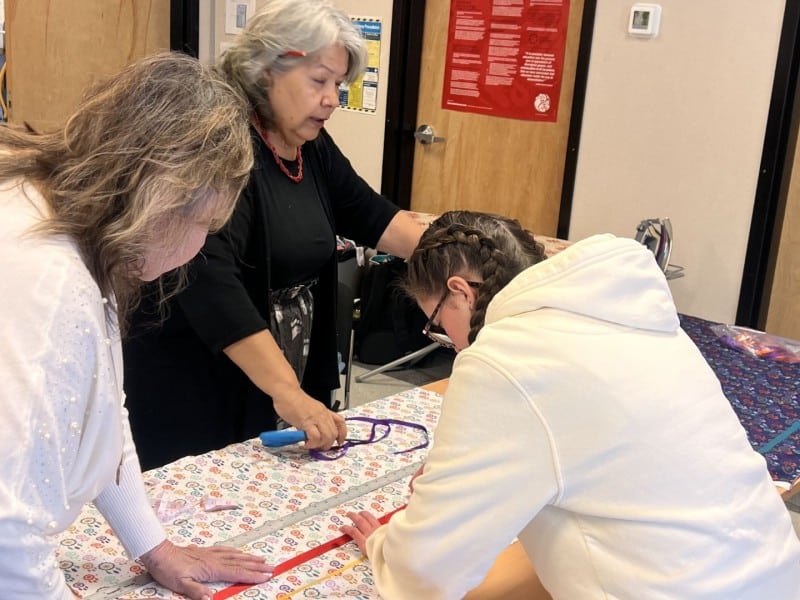
School District 60 holds ribbon skirt fashion show with students, highlighted by visit from Indigenous designer
School District 60 students will hold a ribbon skirt fashion show on Thursday, April 30th, highlighted with an appearance by ribbon skirt designed Alyssia Sutherland.
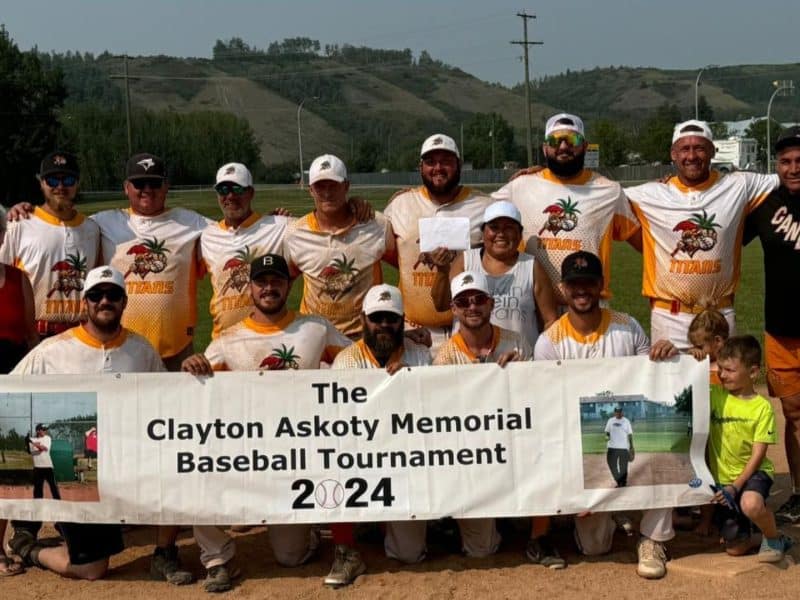
Registration opens for 2026 Clayton Askoty Memorial Softball tournament
The annual softball tournament honours Clayton Askoty, who took his own life in 2012. He was the brother of Prophet River First Nations Chief Valerie Askoty.
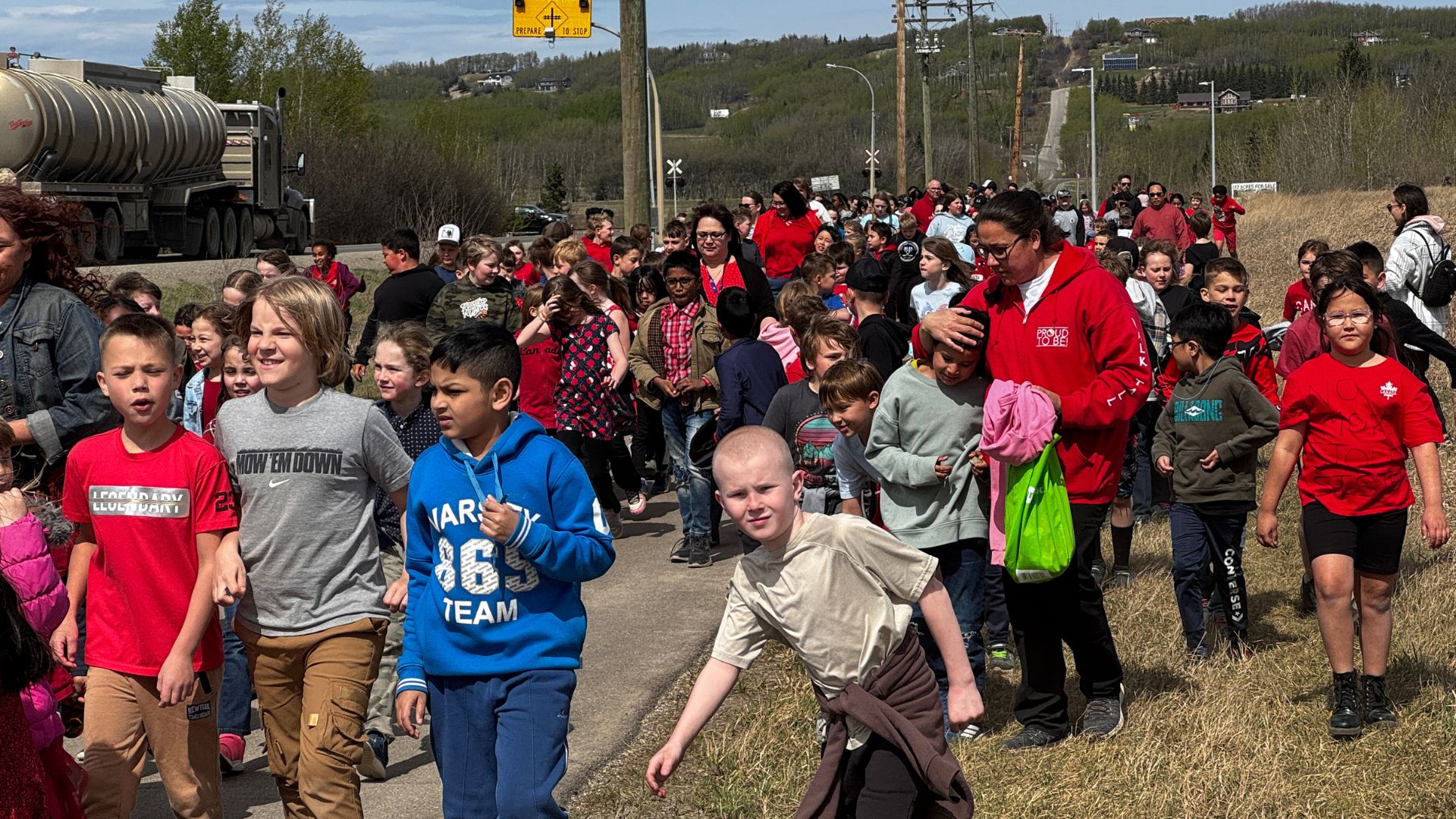
Local Indigenous organizations to host Red Dress Day on May 5th
Red Dress Day is an event memorializing and honouring victims of MMIWG and takes place traditionally on May 5th.