
Input sought on land-use planning project between Doig River First Nation and province
B.C. and Doig River First Nation’s joint land-use plan has its roots dating back to the Consensus Document back in 2021.
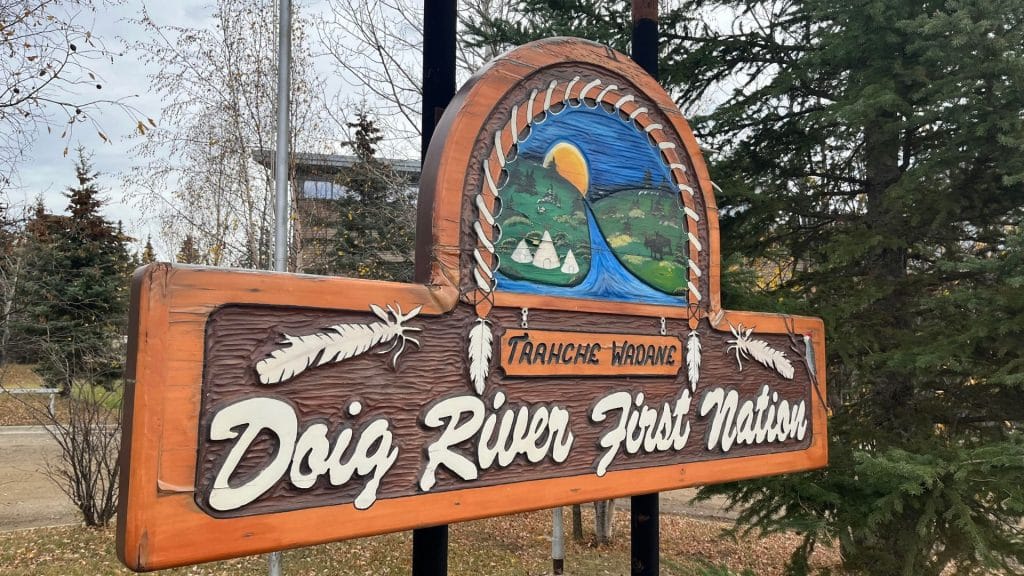
FORT ST. JOHN, B.C. — Doig River First Nation (DRFN) is seeking public engagement regarding its joint land-use plan in northeast B.C. being done in conjunction with the province.
According to a press release, DRFN representatives and delegates from the provincial government have engaged with local councils throughout the region beginning late in January.
The statement says there is an appearance by the two parties scheduled with Fort St. John city council on February 9th, following meetings with the Peace River Regional District, the City of Dawson Creek and the District of Taylor.
The focus of these meetings is to “advance” a joint land-use plan – described by the statement as a guide to “restoration and protection of important lands, while supporting responsible resource activity across northeast B.C.”
According to the province’s website regarding the land-use plan, this current engagement is the second part of a four-step process following initial planning between the two parties, with engagements and the first draft not completed until 2027.
The development of the land-use plan stems from the 2021 Supreme Court case which determined cumulative effects of industrial development constituted a treaty infringement in the northeast of British Columbia.
This led to the Consensus Document between Treaty 8 Nations and the government.
Latest Stories
In January 2025, DRFN hosted a community engagement surrounding land restoration of K’ih Tsaa?dze Tribal Park and its land use plan in Fort St. John.
The park is 40 kilometres north of Fort St. John and straddles British Columbia’s provincial border with Alberta.
“Doig River First Nation and the province of British Columbia are committed to an inclusive and accessible engagement process to ensure that First Nations, tenure holders, industry partners, non-government organizations, local governments and the public are kept informed and engaged throughout the plan’s development,” reads part of the statement’s conclusion.
Community members are urged to take part in a survey to share their input. The website for the survey is available here, with the public having until March 3rd to participate.
When contacted by Energeticcity.ca representatives on behalf of DRFN released a statement which said: “Community engagement is at the heart of the joint land-use plan.
“These engagements will help the planning table better understand the public interest to ensure that environmental, cultural and economic values are reflected in project decisions.
“All input will be compiled in a ‘What We Heard Report’ that will inform the next stage of land-use planning.”
Stay connected with local news
Make us your
home page
Authors

Related Articles

First Nations clinic steps up as sponsor for masquerade ball
The Chetwynd and District Hospital Foundation’s sponsors for the 2026 Masquerade Ball include the South Peace First Nations Primary Care Clinic, Tourmaline Oil and Canadian Natural Resources Limited.
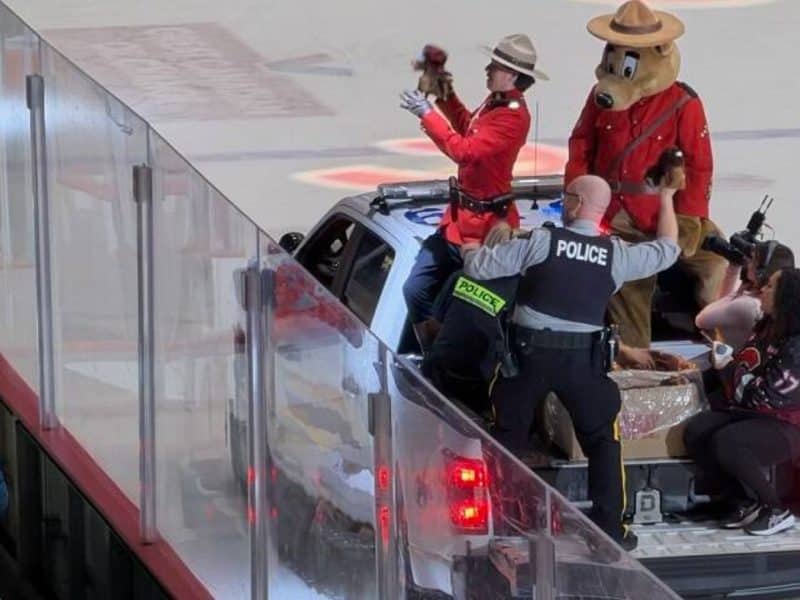
Fort St. John RCMP officers promote Indigenous policing amid northern recruitment initiative
Fort St. John police officers – Constable Caitlyn Rissanen and Constable Chad Neustaeter – had the chance to promote the Indigenous Policing Service Program during Prince George Cougars’ games between January 23rd to 25th as part of the RCMP’s Northern Recruitment Initiative.
First Nation seeks members’ input on community and reparations plans
A dinner and engagement meeting for Fort Nelson First Nation members to discuss its community and Four Pillars plans is slated for February 4th.