
BC Hydro celebrates bear tracks at new wetland on former Site C construction land
BC Hydro says the wetland near Site C features dense rushes and native plant growth where bare soil and debris sat a year before.
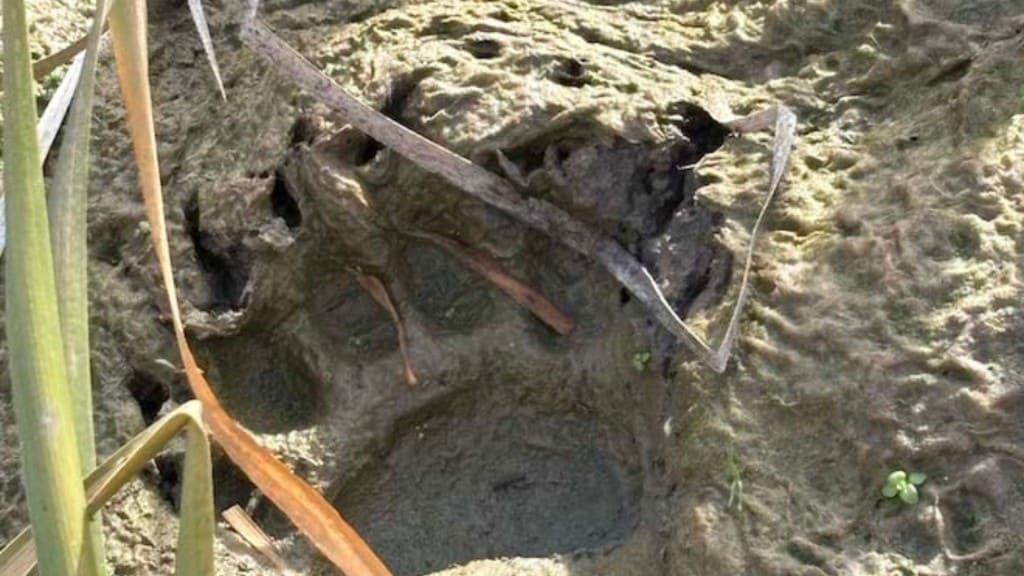
FORT ST. JOHN, B.C. — A newly-formed wetland near the Site C generating station is already attracting wildlife, including bears, less than a year after reclamation work began on former construction lands.
According to BC Hydro in a blog post published on February 3rd, the wetland has emerged from an area once used for dam construction and is part of broader land reclamation efforts around the Site C dam on the Peace River near Fort St. John.
It says during a site visit in October 2025, environmental specialist Matt Barnette pointed out fresh black bear paw prints in the mud, a sign the habitat is beginning to function as intended.
BC Hydro said the wetland, located within sight of the generating station, features dense rushes and native plant growth where bare soil and debris sat the year before.
According to the utility, it was developed through careful excavation followed by limited planting, allowing natural regrowth to play a major role.
BC Hydro partnered with Ducks Unlimited Canada to design and assess new wetlands, including one near the dam itself.
Ducks Unlimited biologist Bruce Harrison said the site shows how effective a blend of excavation, strategic planting and natural regrowth can be.
Latest Stories
“I was surprised at how little planting was required there, how much natural regrowth there was,” Harrison said.
“That’s a really cool site built in a location where wetlands didn’t exist before the excavation was done.”
Reclamation efforts around Site C also include planting native trees and shrubs, installing nesting and denning structures for birds, bats and mammals and restoring former sections of Highway 29 to wildlife habitat.
Environmental groups have previously criticized the Site C construction, citing concerns about its effects on wildlife and the environment.
Site C became fully operational in August 2025.
Stay connected with local news
Make us your
home page
Authors

Related Articles
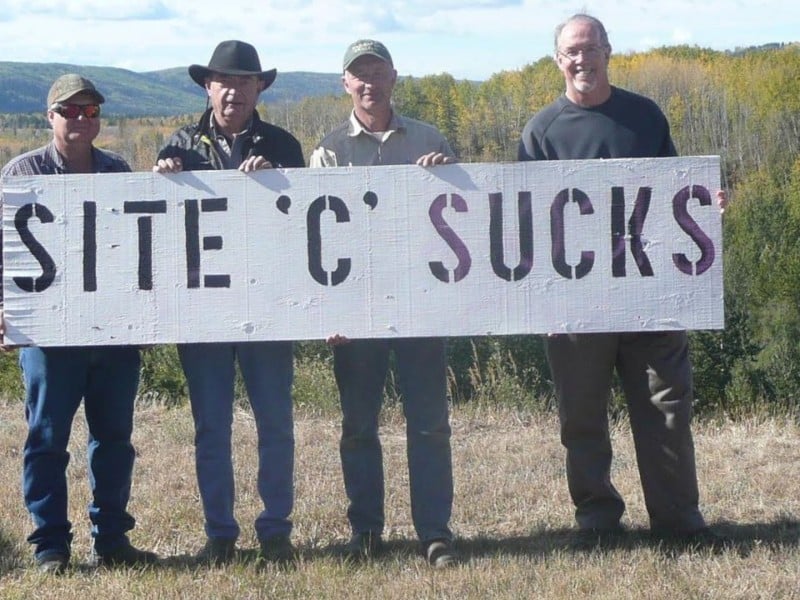
BC Hydro names Site C dam after John Horgan
BC Hydro and the Province of B.C. have announced the Site C hydroelectric dam will be officially named the John Horgan Dam and Generating Station.
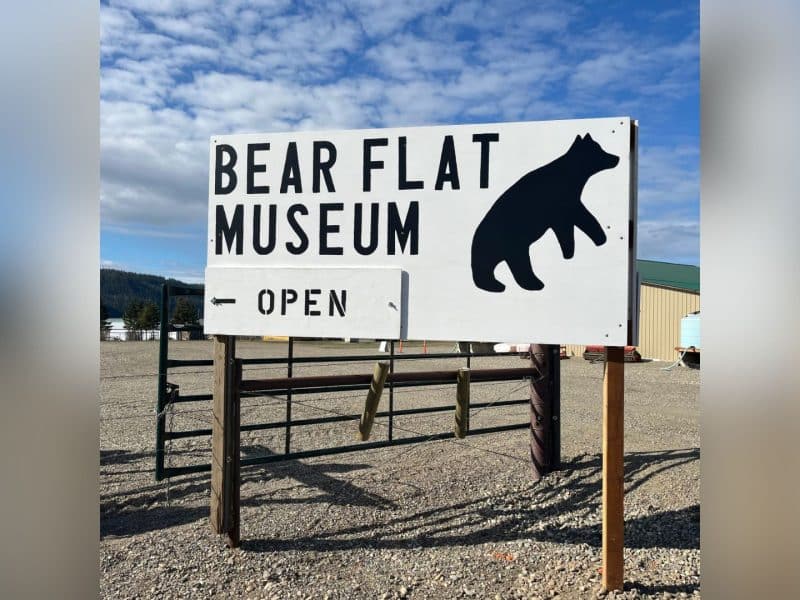
(Opinion) Bear Flat dispatch: Bear Flat Museum
Regular contributor Ken Boon writes about the Bear Flat Museum, which features a “Site C Sucks Museum” cabin, a sign cabin and old farm equipment.
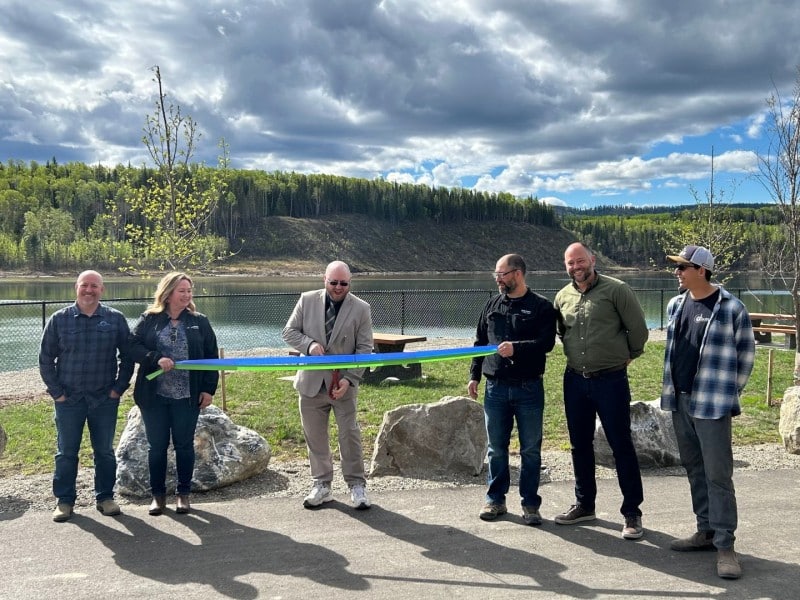
New BC Hydro recreation site opens in Hudson’s Hope
The D.A. Thomas Recreation Site in Hudson’s Hope has officially opened ahead of the May long weekend, according to BC Hydro.