
Site C completion endangering bears, wildlife advocates say
The Wilderness Committee and Awi’nakola Foundation say they’ve received copies of fish and wildlife applications to tranquillize hibernating grizzly and black bears and move them to artificial dens from Site C.
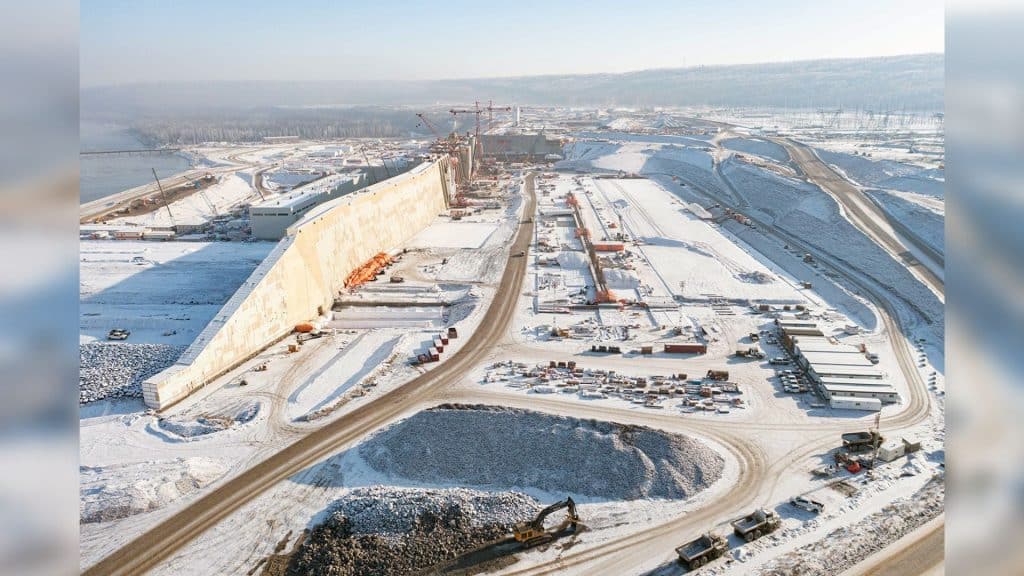
FORT ST. JOHN, B.C. — The Wilderness Committee and Awi’nakola Foundation say they’ve received copies of fish and wildlife applications to tranquillize hibernating grizzly and black bears and move them to artificial dens from Site C.
“Site C is behind schedule, and rather than delay the flooding until a time that will cause less harm to wildlife, B.C. would rather tranquillize and move, and potentially drown, bears,” said Wilderness Committee campaign lead Charlotte Dawe in a press release.
“These are the types of bizarre practices that are allowed to be used in the absence of laws to protect wildlife and their homes.”
The committee says the practice of moving bears to artificial dens is controversial and has “little evidence of success,” alleging den sites have been filled in or destroyed to prevent bears from accessing their winter hibernation spots.
There are 24 active bear dens known in the flood area, they added, with additional sites that are unknown to the government. Their main concern is the potential death of cubs by flooding.
“Flooding a den occupied by a hibernating bear, or any other wildlife species, almost guarantees that the individual will suffer or die. Hibernating animals have specifically selected or created these sites to survive over winter. Bears are not designed to be roused and moved — an extremely stressful activity for the individual — to a spot that likely does not provide the same protection,” wildlife biologist Helen Davis wrote in the release.
“Chances of them remaining in an artificial structure are low in this instance, which may result in the animal dying while it tries to find a suitable natural den,” she added.
Latest Stories
BC Hydro says they haven’t relocated any bears and that flooding will begin in 2024.
“Some critical work areas still need to be completed before reservoir filling could begin, including the approach channel, spillway gates and powerhouse intake gates,” wrote Bob Gammer, Site C Community Relations Manager.
“With winter weather and colder conditions setting in, the window to safely begin reservoir filling was coming to a close. As a result, BC Hydro has made the prudent decision to stay on track with its current project schedule,” he added, noting they had been working on the option to fill the reservoir this past fall.
The plan is to have all six generating units in service by 2025, after the reservoir fills in 2024, with the project sitting at 80 percent completed, explained Gammer.
Stay connected with local news
Make us your
home page
Authors

Related Articles
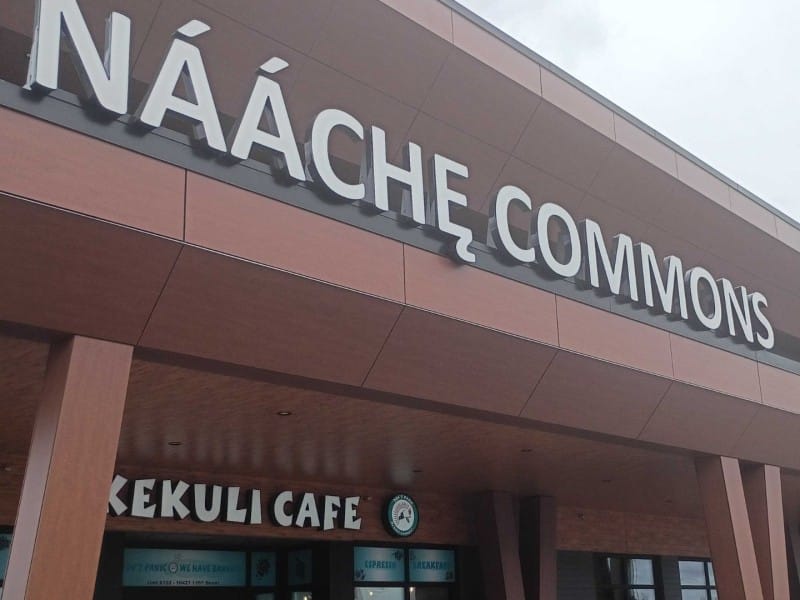
Doig River First Nation councillors and Fort St. John Mayor speak of the opening of Naache Commons in the city
Both Doig River First Nation Chief and Council and Fort St. John’s Mayor had positive comments after the opening of the Nation’s Urban Reserve, Naache Commons in the city.

Arnie Isberg 1-pitch memorial tournament holds swansong this weekend
The tournament began in 2012 honouring Arnie Isberg, a Fort St. John resident who passed away from cancer the previous year.
RCMP investigating possible human remains found near the city
The RCMP is investigating a report of possible human remains, BC Hydro crew discovered on June 8th near the city.