
LNG project issued notice for ‘failing to monitor’ juvenile salmon during in-stream construction
B.C. Environmental Assessment Office records show Woodfibre LNG in Squamish was found to be out of compliance with government regulations over juvenile salmon monitoring.
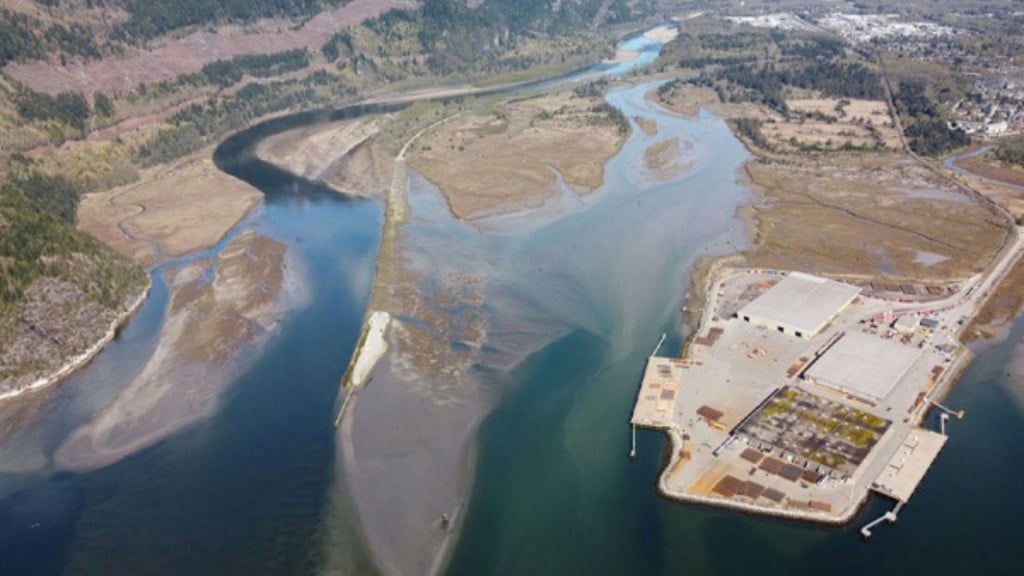
SQUAMISH, B.C. — A B.C. LNG project has been issued a notice over an alleged breach of government environmental regulations during “in-stream construction.”
B.C. Environmental Assessment Office records, posted to a government website on December 30th, show Woodfibre LNG in Squamish was found to be out of compliance with government regulations in August, potentially imperilling juvenile salmon populations.
According to the records, Woodfibre LNG “failed to monitor for juvenile salmon during in-stream construction.”
In response, the assessment office issued a notice of non-compliance. No fines have been levied against the company for the infraction.
A spokesperson with the assessment office said the delay in making the records public was in part due to the BC public service job action that spanned several weeks last fall and also because Woodfibre “submitted additional information, which took time to analyze.”
“There need to be consequences for these companies,” Tracey Saxby, director of Squamish-based environmental watchdog, My Sea to Sky, told The Narwhal.
“My understanding is that the consequences are not high enough for the companies to care. It’s easier for them to break the rules … and proceed on with business as usual, than to actually follow the rules and the laws and regulations.”
Latest Stories
Saxby is concerned both the construction and operation of Woodfibre LNG will have major consequences for salmon and other species.
“We know from talking to scientists based in Russia that the noise pollution and the light pollution from these facilities will confuse and disrupt salmon migration patterns — and the Woodfibre LNG facility is located at a critical area on the salmon migration pathway into the Squamish River,” she said.
“On the one hand, the government is spending millions of dollars to restore salmon habitat while another branch of government is approving destructive LNG projects that undermine all of that work and continue to threaten at-risk salmon populations.”
Woodfibre LNG said the non-compliance was issued because the usual method of monitoring was “ineffective as the sub-surface water was too cloudy, which happens frequently due to the natural influence of turbid Squamish River discharge.”
A spokesperson said in an emailed statement that when the first monitoring tool didn’t work, “qualified professionals” turned to “improved high resolution SONAR technology” and successfully continued monitoring.
“No harm to juvenile salmon was observed, and in-water work remained within permitted limits.”
The state of LNG in B.C.
Construction of the LNG facility has been underway since fall 2023.
When completed, the liquefaction and export plant will produce up to 2.1 million tonnes of LNG for export each year. It will receive natural gas from a FortisBC pipeline being built to connect to a network of pipelines and wells in B.C.’s northeast.
Natural gas, which is mostly composed of methane, is primarily extracted from underground sources through hydraulic fracturing, or fracking.
The Squamish Nation is supportive of the project and led the first legally-binding environmental assessments of the LNG facility and corresponding pipeline between 2013 and 2015.
The Nation is working with the federal government and local environmentalists on restoring parts of the Squamish River estuary, long impacted by industrial activities.
A spokesperson said the Nation was unable to comment on the non-compliance because the relevant employee is on bereavement leave.
Woodfibre LNG, majority owned by Indonesian billionaire Sukanto Tanoto’s Pacific Energy Corporation, is the second major LNG export facility being built in B.C.
Its much larger cousin, LNG Canada, began operating in Kitimat, B.C., last year. The province also approved Cedar LNG in Kitimat, which is currently under construction, and Ksi Lisims LNG, which will be built near the Nass River estuary in northwest B.C.
The province’s support for the LNG export industry dates back to the early 2010s, when more than a dozen projects were first proposed.
The Environmental Assessment Office isn’t the only government body overseeing development of LNG projects and gas pipelines. The BC Energy Regulator (BCER) is responsible for issuing permits and ensuring compliance with many laws and regulations intended to protect the environment and communities from harm. The regulator was originally called the BC Oil and Gas Commission and has special powers over several pieces of legislation.
But as previously reported, regulator officials don’t always enforce laws and regulations when they find companies aren’t in compliance with government rules.
Woodfibre LNG said it is working with the assessment office to adapt its monitoring program.
“Salmon spawning is a regular occurrence at Mill Creek, which runs through our site, and we take care [to] preserve proper spawning conditions and to measure both the spawning and emergence events,” the spokesperson wrote.
Stay connected with local news
Make us your
home page
Related Articles
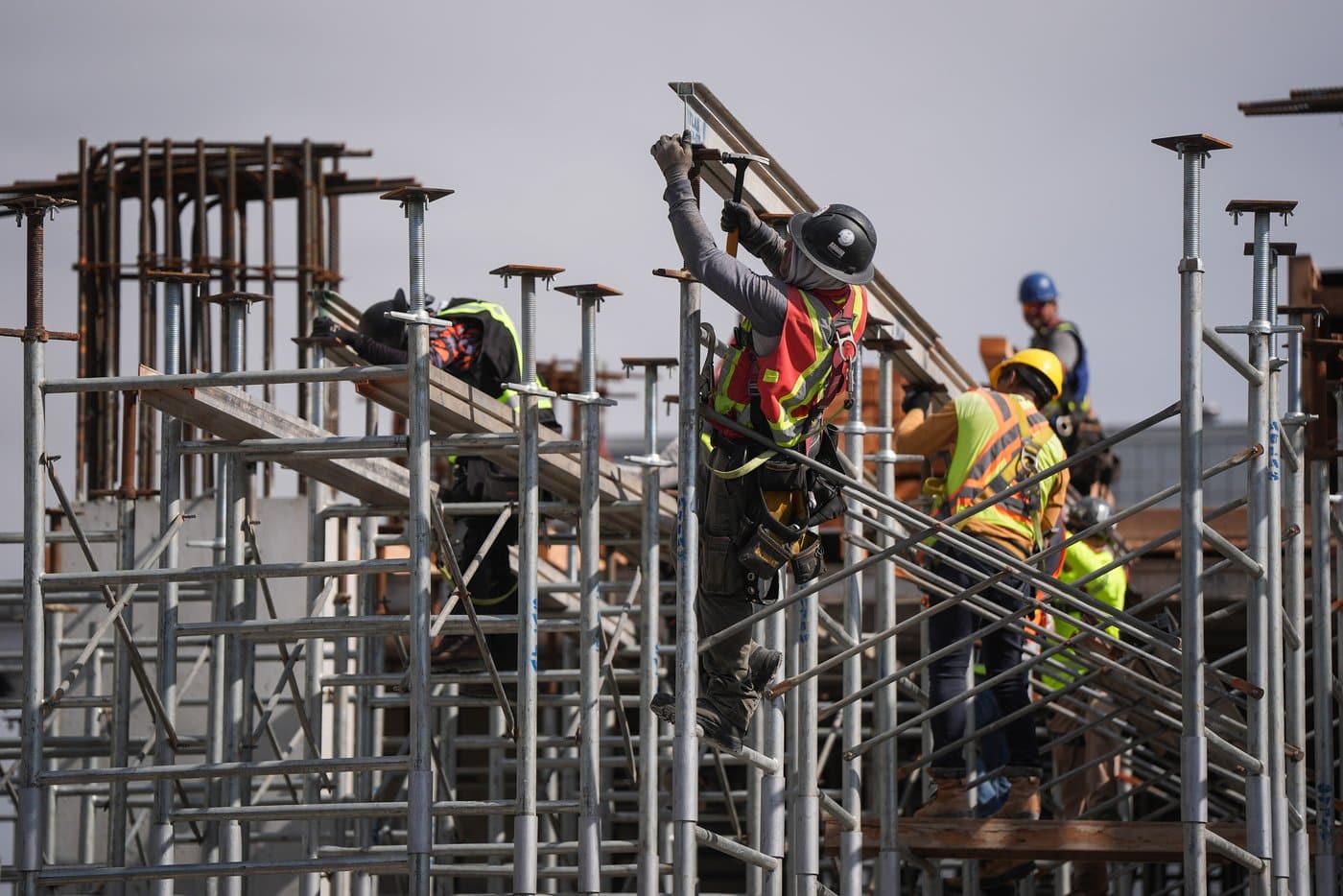
Report suggests a gap in B.C.’s ‘sustainable workforce planning’
A recent report from the Pembina Institute suggests a gap in B.C.’s “sustainable workforce planning”
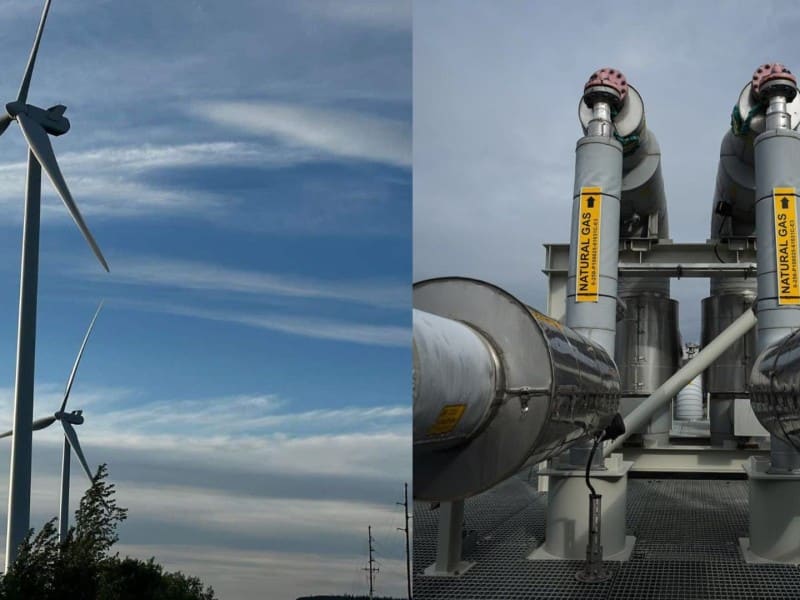
BC Government investing in projects in Northeast B.C.
The B.C. government has invested in numerous energy projects across the province, including several in northeast B.C.
AltaGas expands propane customer reach in Asia as supply shocks continue
CALGARY — AltaGas Ltd. says it recently delivered its first propane cargo to Indonesia as the ongoing squeeze in Mideast supplies stokes interest in Canadian exports among a broader customer set in Asia. “This supply disruption has driven more conversations with our Asian customers who are now placing increased value