
Indigenous explainers: How the First Nations education program benefits School District 60 students
School districts around the province have several outlets assisting in Indigenous students to further their education.
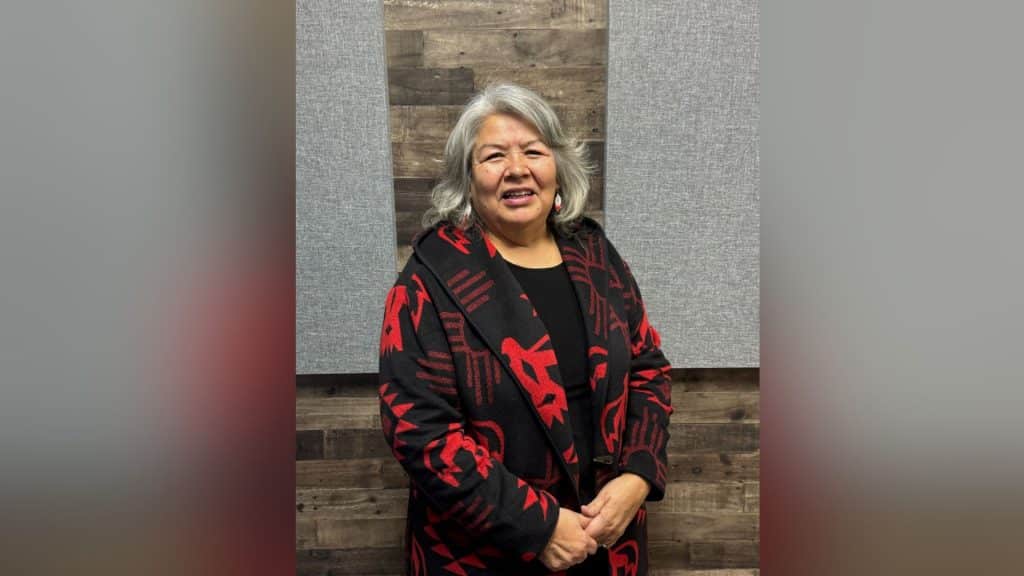
FORT ST. JOHN, B.C. — With her stoic demeanour and unmistakable presence, one might see Pat Jansen as an Indigenous knowledge keeper or storyteller.
In a way, she is one: but rather than telling the stories of her people of Horse Lake First Nation in Alberta, she shapes children’s stories as the principal of Indigenous education in School District 60 (SD60).
Sitting at the desk in her office, she tells the story of how she came to be an educator – going back to her school days, when she was part of what she described as a “silent generation” of Indigenous people.
Local News You Can Trust
Label us as a Preferred Source to see our stories more often
“You don’t know of [colonial education] when you are growing up,” said Jansen. “You are amidst it and it is what it is.”
Having attended school in Spirit River, Alberta, she does remember the first time she realized her heritage heading onto the school bus.
“My brother and I were the only Indigenous children there,” said Jansen. “We lived in a rural community, about 10 miles from Spirit River.
“We were getting on the bus. It was fairly full because children had been picked up prior to us getting on. No one wanted us to sit with them on their seat. The bus driver, he didn’t come and designate it.
Latest Stories
“There was an older student and he was kind enough for us to let us sit with him. It was the first feeling that I got, ‘I’m not wanted.’ It wasn’t like it is now, where you are proud to be Indigenous.”
Jansen eventually came to the education sector after careers as a camp cook in the oil and gas, construction and labour industries. She said she delved into the colonialist spin on history after studying social work, eventually getting into education in the mid-1990s.
“We were living at Rose Prairie and we were only a mile and a half from the school,” said Jansen. “It only made sense that I go into education. Social work gave me a foundational skill. I worked full-time and got my teaching degree.”
Her degree came through Alaska Highway Consortium on Teacher Education (AHCOTE), an accelerated program offered by Northern Lights College in cooperation with Simon Fraser University. She added a master’s from the University of Saskatchewan in 2015.
As principal of Indigenous education, Jansen has an Indigenous Education Council which oversees the direction of customs and heritage within the curriculum.
The council includes members from First Nations communities, such as Doig River First Nation (DRFN), Blueberry River First Nations (BRFN), Halfway River First Nation (HRFN), the Treaty 8 Tribal Association, the Fort St. John Friendship Society, the Fort St. John Métis Society, Northern Lights College and parents.
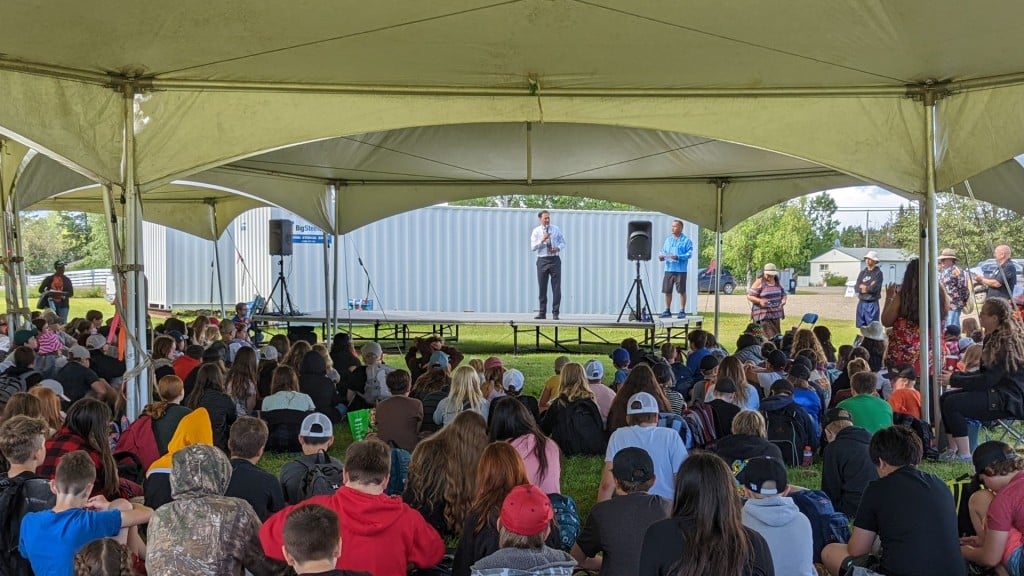
Dr. Stephen Petrucci, the superintendent of SD60 schools, told Energeticcity.ca the direction to enhance the Indigenous culture and heritage in the classroom came in the B.C. Aboriginal Education Enhancement Agreement, which was signed in 1999.
“It was a set of goals where districts had to have programs and initiatives in place to specifically help the Indigenous students,” said Petrucci. “There’s always been a concern around the substandard achievement levels of Indigenous students.
“It is just about finding the right support from a district perspective.”
He added Bill 40 – the B.C. School Amendment Act of 2023 – has helped as well.
The law is designed at improving First Nation students’ attendance and education outcomes through effective relationships and processes between First Nations and school districts.
“The Indigenous Education Council as a group allocates additional funding to schools with the idea of supporting Indigenous students,” said Petrucci. “That takes the form of Indigenous support workers who regularly check in with our Indigenous students.”
The Indigenous support workers are also of First Nations heritage, checking in with them on three fronts: from a cultural perspective, on their social and emotional wellbeing, and to keep track of their academic standing.
Petrucci says the biggest drop off rates come in the form of “transitional students” or those moving from elementary to middle school and then to secondary school.
This is helped by the Indigenous transition coaching program – through the Indigenous Education Council – to mentor students adjusting to a new learning environment.
“They come up with an individual success journey, that helps them pinpoint each individual student [and] what it is that they need to be successful, always ultimately heading towards a better graduation rate,” said Petrucci.
Petrucci added local educational agreements have been made with the First Nations. Through the agreements, local Indigenous history has been taught in elementary schools throughout the school year.
The units are vetted and approved by the First Nations within the Indigenous Education Council.
Petrucci says the successes SD60 has had – including showcasing career options past secondary school, such as apprenticeships and other options like Project Heavy Duty – have had an impact.
In a graph obtained by Energeticcity.ca, graduation rates in SD60 schools in Grade 12 Indigenous students was just 56.7 per cent in 2014-15; a decade later, it was hovering at 84 per cent.
“I think the spotlight and the focus is so deserved and important,” said Petrucci. “I fully believe, personally and professionally, that extra attention is needed. We are still not where we need to be in terms of the results and the options but we are getting better.”
View Energeticcity.ca‘s Indigenous explainer series here.
Stay connected with local news
Make us your
home page
Authors

Related Articles
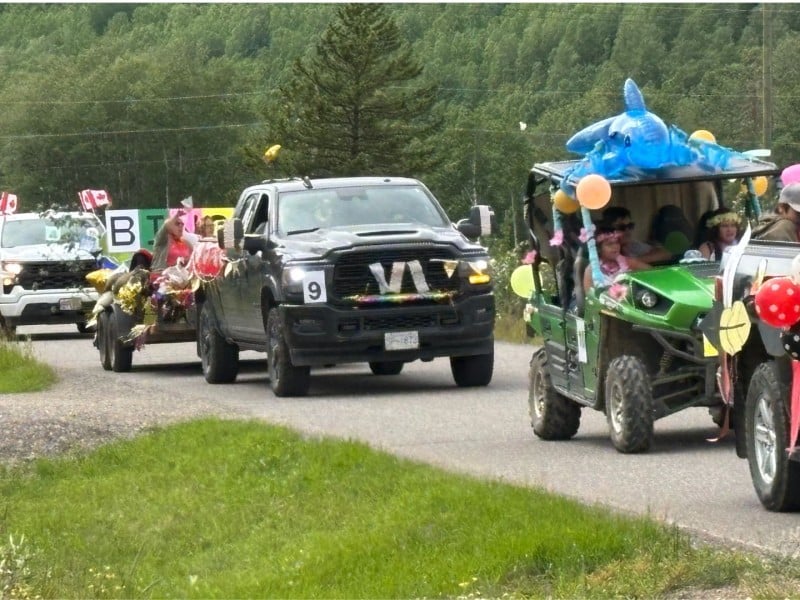
Pemmican Days returns to Saulteau First Nations this July
Pemmican Days, named after an Indigenous food made of tallow, meat and mixed berries, has been in the Saulteau First Nations community for four decades.

Saulteau First Nations finalizes EPA agreement for Taylor South Wind Project
The 30-year electricity purchase agreement was signed by Saulteau First Nations and B.C. Hydro
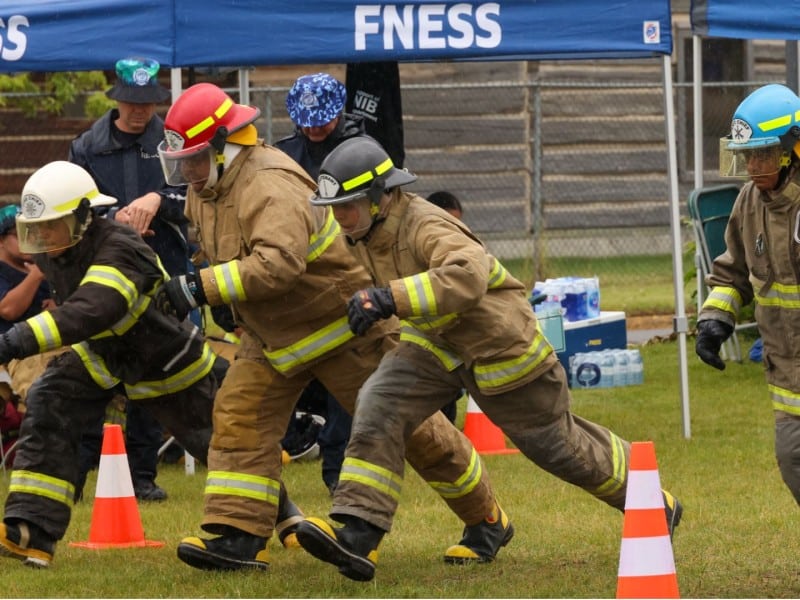
FNESS gives Fort St. John high marks after Indigenous Firefighting Competition
Sponsored by the First Nations Emergency Services Society (FNESS), representatives from 10 Nations took part in the provincial Indigenous Firefighting event on Saturday, June 27th.