
Charlie Lake Indigenous heritage site reaches grant milestone
Tse’k’wa Heritage Society received the final installment of a $300,000 grant provided by Northern Development Initiative Trust (NDIT) for its cultural centre project dating back to 2021.
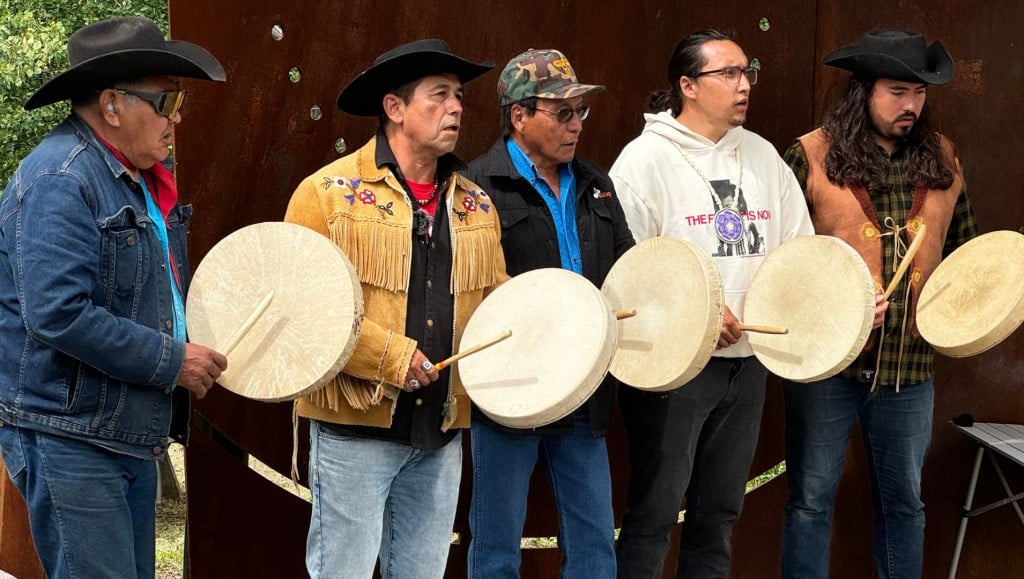
CHARLIE LAKE, B.C. — A local heritage site has received the final installment of a $300,000 grant allocated four years ago.
According to the Northern Development Initiative Trust (NDIT) July newsletter, the Tse’k’wa Heritage Society received the final $75,000 of a $300,000 grant that was issued in 2021 for its cultural centre project.
Alyssa Currie, executive director of the Tse’k’wa Heritage Society which oversees the cave, said the final installment of funds “marks the end of this phase” of the project.
“We do still have reporting to do with [NDIT] for the next couple of years,” said Currie. “Following up on the legacy of the project and how it has impacted job opportunities at the site, visitors at the site [and] investment at the site.”
The project included infrastructure for the site such as accessible outhouses, a 230-metre accessibility trail, interpretive signs, benches and an amphitheatre.
The newsletter says the completed infrastructure will allow the Tse’k’wa site – its name coming from the Dane-zaa word meaning ‘rock house’ – will allow up to 62 additional events annually.
Currie said at the time that the funds received “will result in a new Indigenous cultural experience in the Fort St. John area.”
Latest Stories
With its completion, Currie said the funding from NDIT “spurred other funders to have confidence” in the project.
“The project that we originally pitched [to NDIT] was much smaller in scale than what we ended up completing,” said Currie. “When we did that final reporting, we were able to talk about the other federal and provincial funders that came on board to support the project.”
The project had an initial budget of $687,180 when first announced, and the grant money was given through NDIT’s Cultural Infrastructure grant program, which “supports creation of, or the improvement of, arts, heritage, culture and creative innovation spaces,” according to NDIT’s website.
The Tse’k’wa Heritage Site – also known as the Charlie Lake cave – has a historical significance to the Dane-zaa people with its history spanning some 12,000 years to the Ice Age.
The site has been owned by three local First Nations – Doig River First Nation, Prophet River First Nation, and West Moberly First Nations – since 2012.
In 2017, the site became a National Historic Site, becoming one of the only Indigenous-owned such sites in Canada.
Further details about the Tse’k’wa cave are available on its website.
Stay connected with local news
Make us your
home page
Authors

Related Articles
WMFN Chief named keynote speaker at Indigenous Resources Opportunities Conference
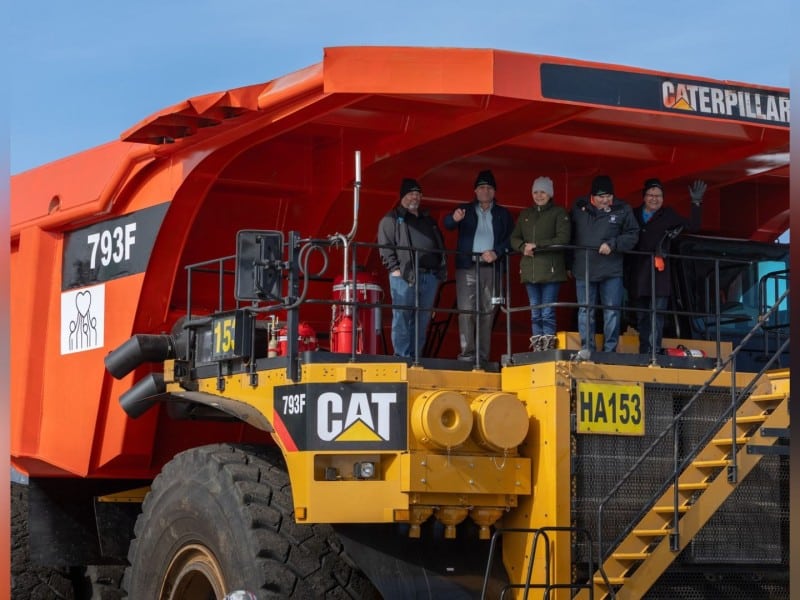
Roland Willson will be part of a panel discussing the Hope Truck Initiative, which had its first edition in 2025

Filmmaker seeks to empower Indigenous communities with training program
Farhan Umedaly was inspired to put together the Empowering Filmmaking program after his work on the 2015 documentary The Last Stand for Lelu
WMFN announces 2026 West Mo Days
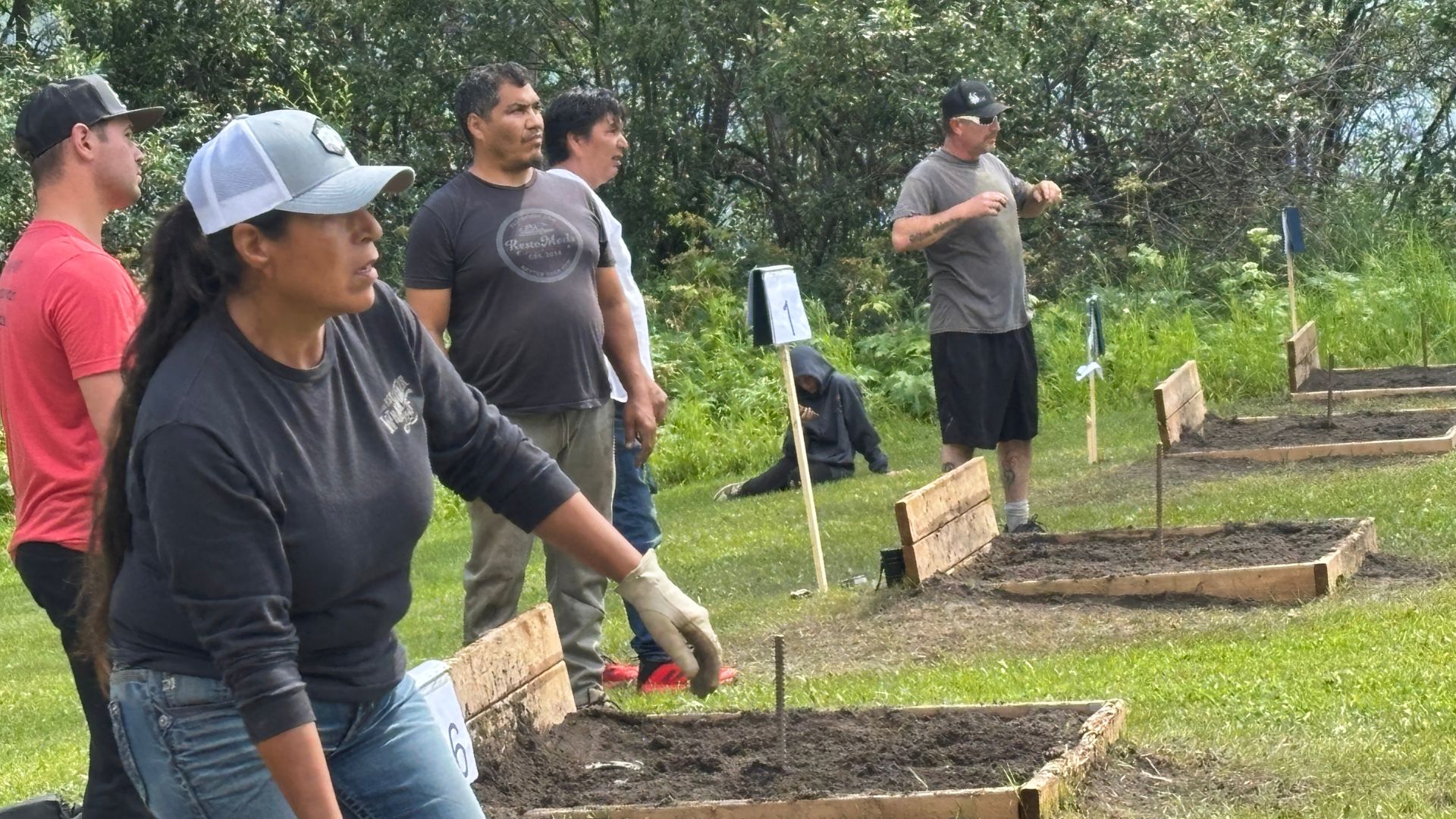
The event featuring competitions, presentations, performances and Indigenous Culture, West Mo Days will take place in late July.