
Filmmaker seeks to empower Indigenous communities with training program
Farhan Umedaly was inspired to put together the Empowering Filmmaking program after his work on the 2015 documentary The Last Stand for Lelu
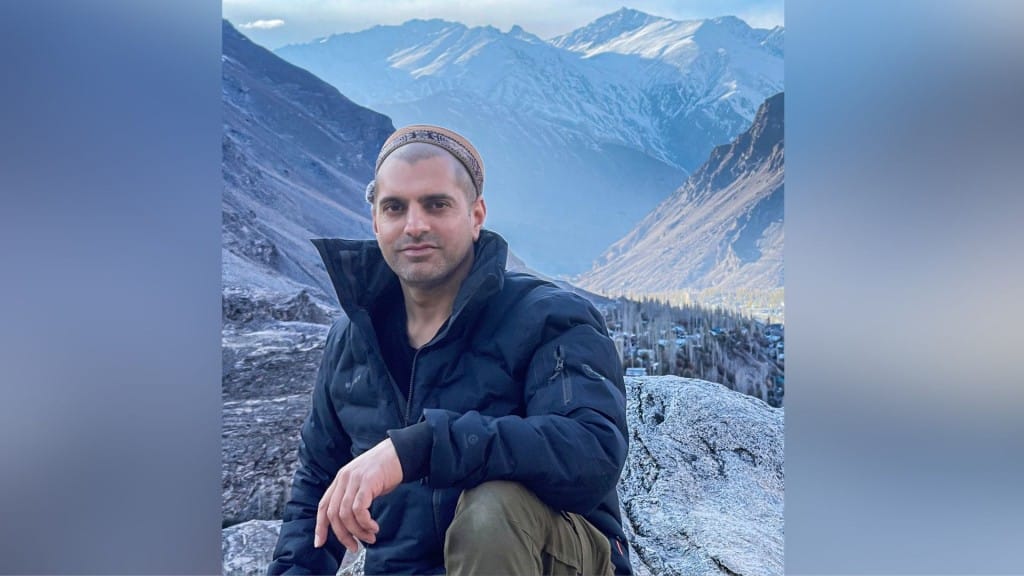
MOBERLY LAKE, B.C. — A filmmaker is looking to empower local First Nations communities through his filmmaking program.
Farhan Umedaly is a filmmaker with West Vancouver’s VoVo Productions, a company he helped found in 2009 with backgrounds in microbiology, sustainability and music production.
From an Ismaili background, Umedaly and his family came to Canada as refugees. A filmmaker for 18 years, his projects include the 2015 film The Last Stand for Lelu, about the struggles of the Lax Kw’alaams Band of Lelu Island against the provincial government’s push for an LNG terminal.
He told Energeticcity.ca his Empowering Filmmaking program, set to take place over a week in June at West Moberly First Nations, is based on a principle of service – something important to the Ismaili people.
“I stayed there with [the Lax Kw’alaams],” said Umedaly. “It was a volunteer project that helped them raise money so they could stay on their island and stop the illegal work that was being done.”
“I was well-intentioned, obviously I wanted to serve the people and do the best I can. I realized then that this community is like counting on an external filmmaker to come there [and] I could teach filmmaking with the skills I have.”
With a grant from Telus Storyhive and community organizations, Umedaly tours across Canada with his program to teach Indigenous students.
Latest Stories
Prospective filmmakers do not need experience to participate, with Umedaly and staff providing all the tools to put together a piece.
According to Umedaly: “I could teach filmmaking in five days, and the only way to know I’ve taught them properly is to have a film at the end of it.”
“We will be going through coming up with key messaging, storyboarding, camera settings, camera movement, interview technique, file management, importing footage into the computer, and then editing sequences, colour grading, transitions, audio, sound effects, now AI special effects, animations, title effects, audio mastering, export and delivery,” said Umedaly.
Upon the conclusion of the course, a film festival will be held to showcase students’ projects to community members, friends and family.
Vovo’s website says Umedaly has taught 645-plus Indigenous filmmakers across Canada. Umedaly says a difference between his program and traditional film school is institutions “put you in a box.”
“Film school is expensive,” said Umedaly. “They teach a lot of theory, but storytelling comes in the blood of the people, especially Indigenous communities. I’m not here to teach them how to tell stories. I’m here to teach them how to technically put that just in a modern context through film.”
With Storyhive funding set to end in 2026, Umedaly hopes to continue the program but would like to “go out with a bang” if the Empowering Filmmaking program also comes to an end.
The Empowering Filmmaking program runs from Monday, June 15th to Saturday, June 20th, from 9 a.m. to 5 p.m each day at West Moberly First Nations. There is no charge for the program.
Space is limited to 25 participants. To register or for more details, visit the Empowered Filmmaker website or email Umedaly at empoweredfilmmaker@gmail.com.
Stay connected with local news
Make us your
home page
Authors

Related Articles
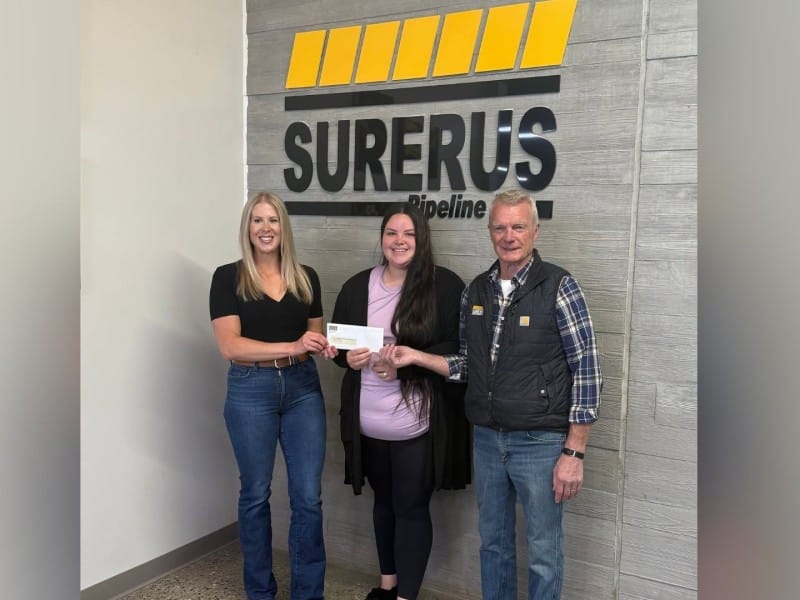
Local family services organization recipients of $10K Surerus community fund grant
Nenan Dane’s executive director says the organization is “still nailing down” where the funds will go.
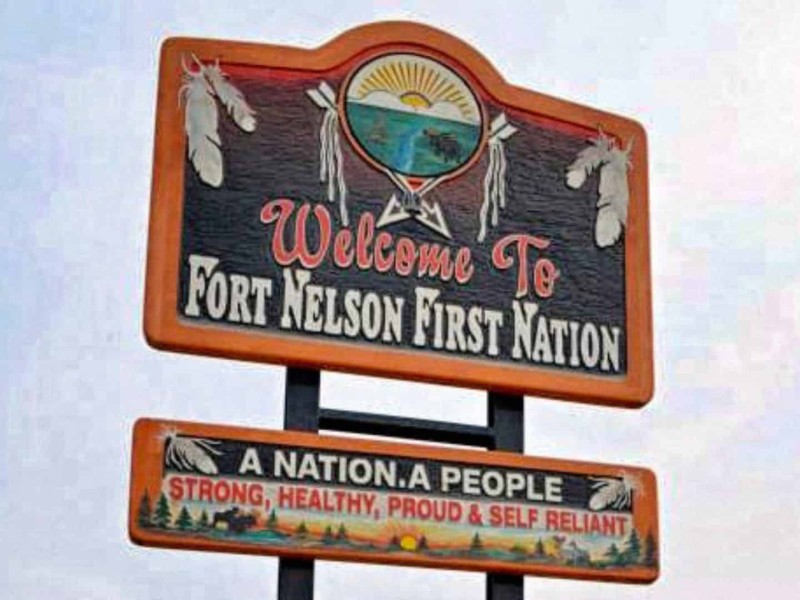
Fort Nelson First Nation releases new details about mid-week ‘hold-and-secure’ situation at Chalo School
Fort Nelson First Nation Chief Councillor Archie Harrold addressed a Thursday afternoon lockdown at the Chalo School
Fort Nelson First Nation, school in lockdown on the afternoon of June 4th
RCMP confirmed the lockdown at Fort Nelson First Nation was not initiated by the Northern Rockies RCMP detachment.