
Taylor Wind project presentation for regional district
The Peace River Regional District met with a delegation from EDF Power Solutions, the company constructing the Taylor Wind project.
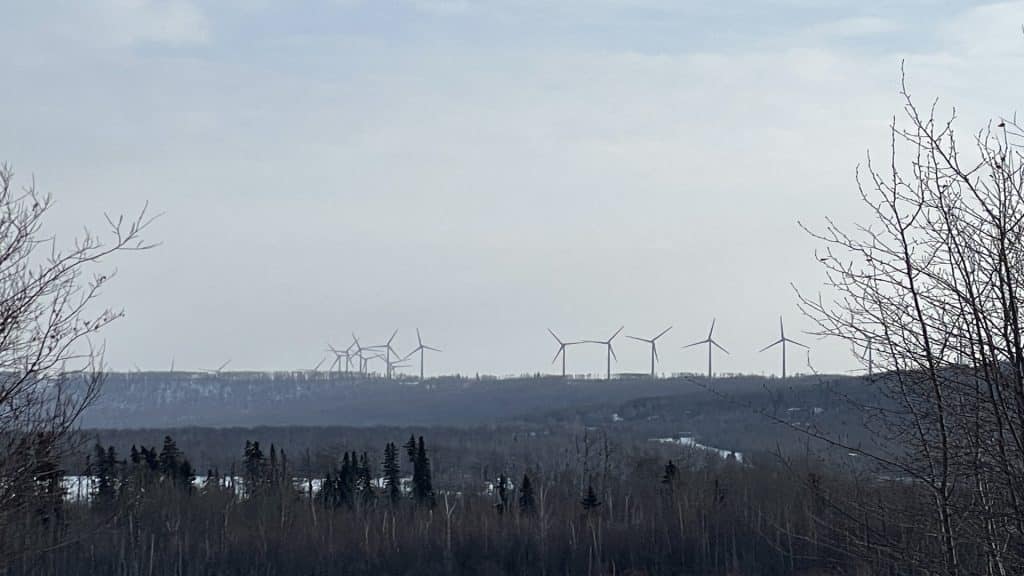
FORT ST. JOHN, B.C. — A company operating 49 per cent of a wind project planned in Taylor answered questions from the regional district about plans, specifics and decommissioning.
During the June 19th regional board meeting of the Peace River Regional District (PRRD), directors reviewed a presentation from EDF Power Solutions about the Taylor Wind project.
The project was one of 18 around the province approved by the provincial government to be fast-tracked, and one of two wind projects in northeast B.C. to be exempt from the environmental assessment process.
The project is 51 per cent owned by Saulteau First Nations, and an electricity purchasing agreement with BC Hydro was signed in January.
The board has expressed ongoing concern about wind projects in the region, specifically feeling “left out” of the conversation.
In the June 19th presentation, three members of EDF Power Solutions, John Olsen, senior project developer, Loni Tsui, permitting and environmental manager, and Toby Shepherd, community engagement manager, detailed the 200-megawatt Taylor Wind project.
Between 35 and 45 wind turbines will be constructed on agricultural land leased from farmers who would be able to farm “right up to the turbines,” John Olsen, senior project developer explained.
Latest Stories
Two permanent meteorological towers would also be built in the area, and EDF Power Solutions intends to utilize pre-existing roads used for agriculture and oil and gas.
While temporary construction workspaces will be on-site for the turbines, the operations and maintenance building is planned to be either on-site or in Taylor.
Due to the land planned for the turbines classed as agriculture-rural, the company stated the project would be submitting re-zoning applications to the PRRD.
Brad Sperling, director of Electoral Area C, asked about the lease for the land used for the turbines and roads and whether there were restrictions or conditions on the landowner being able to farm it.
“[The land agreement] is the most intense one probably in Western Canada with that land owner…They can farm right up to [the turbines],” Olsen said.
Transmission lines for the project would be placed on Crown lands, and agreements with the land owner specify a reclamation time where the farmer can begin working the area around the turbines by the next farming season after construction.
When asked by Darryl Krakowka, director and mayor of Tumbler Ridge, Shepherd stated the company has conducted blade switch-outs, or replaced turbine blades due to damage, but he would need to return to the board with information on where the blades go.
The delegation confirmed they would be returning to the board at a later date with more information on the project ahead of construction. No date has been set for the start of construction, but the company anticipates the project will be operational by 2031.
Stay connected with local news
Make us your
home page
Authors

Related Articles
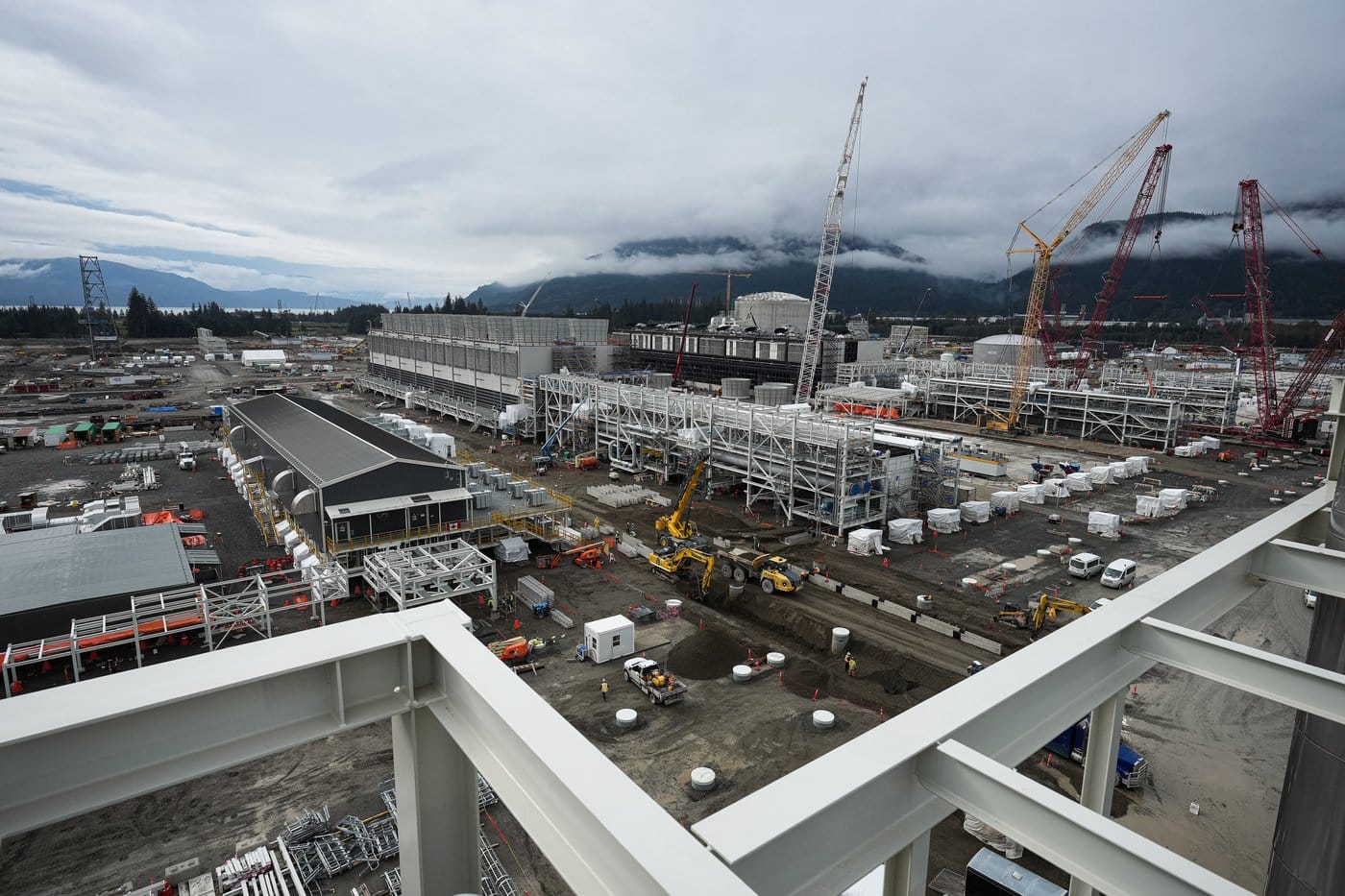
FOI revealed LNG’s use of Spare Flare due to ongoing defect in flare stack
An ongoing operational defect has cracked LNG’s flare stack in Kitimat, leading to the use of the facility’s spare flare as its largest source of flaring in March.
Blueberry River First Nations signs revenue-sharing agreement with pipeline construction company Strait
The agreement with Strait announced in April means the company will be the official pipeline and mechanical contractor partner to Blueberry River First Nations