
‘We don’t need fines, we need nurses’: Nurses’ union seeks provincial ratios
The BC Nurses’ Union is pushing for more government accountable on nurse-to-patient ratios.
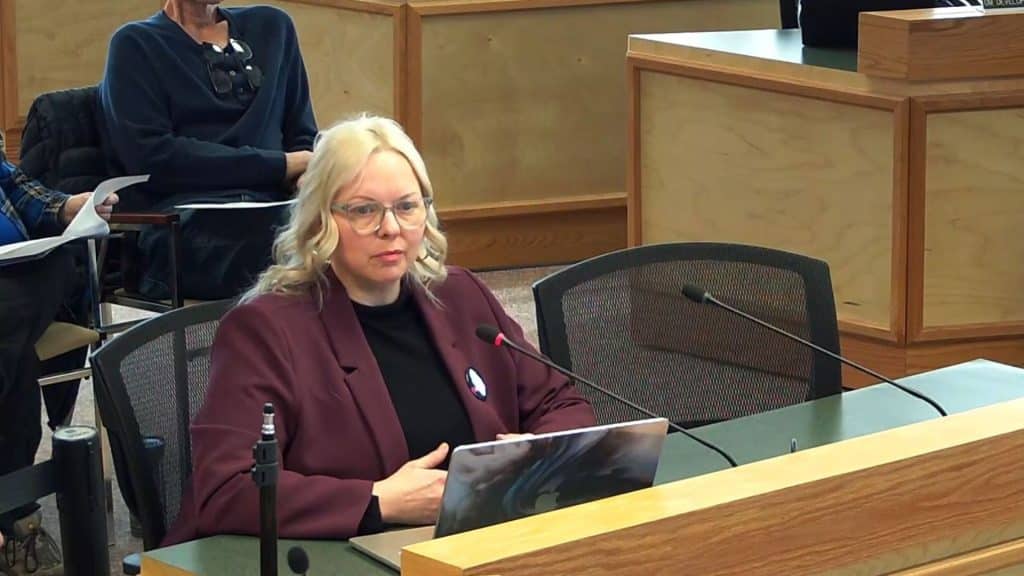
FORT ST. JOHN, B.C. — The BC Nurses’ Union is calling for mandatory nurse-to-patient ratios in hospitals to encourage retention, recruitment and patient health.
Raelene Stevenson, the BC Nurses’ Union lobby coordinator for northeast B.C., appeared as a delegation before the Peace River Regional District (PRRD) board of directors during the March 20th board meeting to discuss nurse-to-patient ratios slowly being introduced across the province.
In 2023 and 2024, the provincial government made a $750 million commitment to the union to implement minimum nurse-to-patient ratios in hospitals across the province.
This was one of the conditions included in the union’s collective bargaining agreement, with more than 60 per cent of nurses in the union indicating ratios were a “must have” in a bargaining survey, according to Stevenson.
“We have tried many things before to address the nursing workload in B.C., and the problem has only increased,” Stevenson said.
Stevenson explained the language in previous agreements specified fines for facilities that did not comply with ratios, but those were ineffective.
“We don’t need fines, we need nurses.”
Latest Stories
Researching into other jurisdictions, the union discovered ratios assist with recruitment and retention efforts.
After ratios were implemented, 7,000 inactive nurses came back to work in Australia and nurse registrations increased by 60 per cent in California; vacancies decreased by 69 per cent in hospitals across Sacramento, California in particular.
Across both jurisdictions 67 per cent of nurses stated they were more likely to stay in their jobs.
Research on California and Australia also showed 74 per cent of nurses indicated quality of care increased because of ratios, and there were 31.6 per cent fewer nurse injuries in California after implementation.
Stevenson warned that for every additional patient over ratio, the risk of patient deaths within 30 days increases between 12 and 16 per cent.
“More nurses translates to better, safer care and implementing mandatory minimum nurse-to-patient ratios translates to better recruitment, retention and nurses on the floor,” Stevenson said.
Acute care ratios see one nurse to four patients in surgery, one to between five and seven in rehabilitation, one to three in palliative and focused care, one to two in high acuity care, one on one in intensive care and neonatal intensive care.
Province-wide acute care nurse-to-patient ratios are slowly being implemented across B.C.
“Community and long-term care [ratios] unfortunately are still in development, we still have a lot of people at the table discussing those ratios.”
Stevenson explained the ratios are slow to be approved because of a desire for them to be “done right the first time.”
“We want the nurses to come, we want communities to be successful, we do not want to go on diversion, there’s not right now a penalty for the government to not be at ratio,” Stevenson said.
“We have shown in the past that money does not drive this, nurses getting an extra $5 an hour when we are not at ratio means nothing to me; I would like another person with the knowledge that I have to be looking after the other person.
“I don’t care about $5 an hour, that doesn’t make me three people.”
The presentation was intended to garner support from the PRRD and spread the word about the ratios, to encourage the public to push the provincial government to adopt and enforce the ratios in the future.
The 2025 federal election is happening on April 28th. Let us know what topics are most important to you for the Prince George – Peace River – Northern Rockies riding by taking our survey at https://energeticcity.ca/election
Stay connected with local news
Make us your
home page
Authors

Related Articles

B.C. Conservative MLA Hon Chan charged with choking, assault and uttering threats
VICTORIA — British Columbia Conservative MLA Hon Chan has been charged with assault, assault by choking and uttering threats in a case of alleged intimate partner violence, prompting his removal…
‘Going backwards’: Advocate urges action on services for B.C. seniors
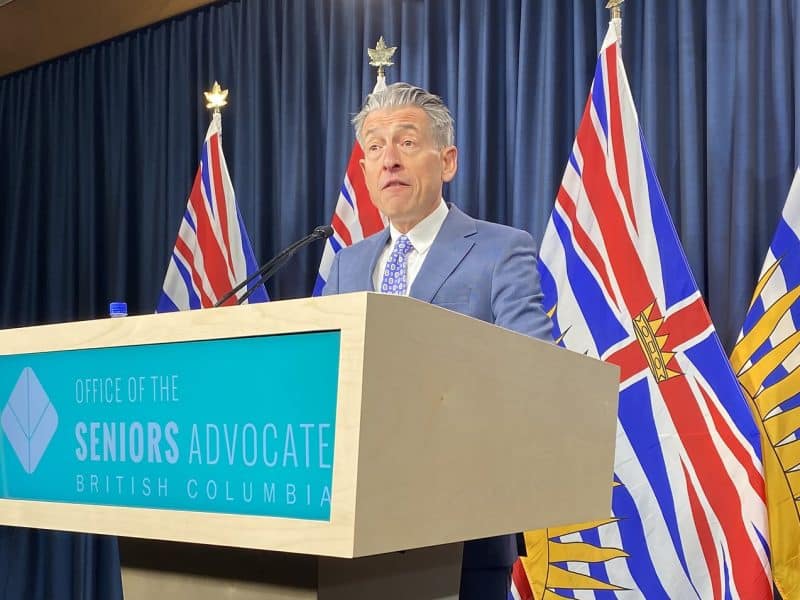
VICTORIA — British Columbia’s aging population is set to soar over the next decade, and some services for them are falling short and “going backwards,” BC Seniors Advocate Dan Levitt…

RCMP in B.C. seize 115 kg of meth, hidden in jars of pickles bound for Australia
VANCOUVER — RCMP in British Columbia say they have foiled an operation to smuggle methamphetamine to Melbourne, Australia, hidden in jars of pickles. The Mounties say the investigation was carried…