
Bear Flat Dispatch: BC’s Sumas Prairie. Farmland or lake?
Frequent contributor Ken Boon is sharing his thoughts on turning the Sumas Prairie back into a lake.
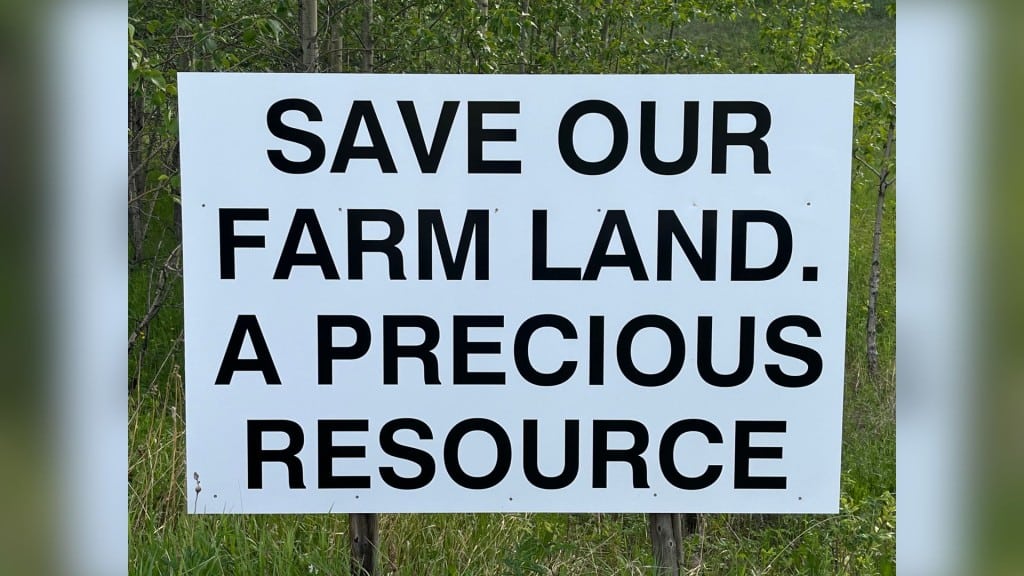
As a result of the disastrous flooding of 2021 in southern BC, there is an interesting debate happening that would have been unthinkable not that long ago.
“A new report by a team of UBC scientists has B.C. politicians and First Nations weighing in after it proposed relocating some residents and farms in Abbotsford, B.C.’s Sumas Prairie, to allow the area to be turned back into a lake.” https://www.msn.com/en-ca/news/canada/bc-politicians-debate-reflooding-sumas-prairie/ar-BB1nRxuQ
This is no small matter. One hundred years of settler families have built very expensive and high production farm operations on what was developed into perhaps the best farmland in southern BC.
I can well imagine that if somehow historic Sumas Lake had not been drained and still existed today, not only would it be wise to leave it alone, but it would be near impossible to drain now for environmental reasons. No doubt it served an amazing “ecosystem service” that was not fully appreciated at the time by most of society, and that loss is tragic. Unfortunately, human history is full of mistakes when viewed through that lens. Often it does make sense to go back and restore areas to their natural habitat for environmental reasons, or as is suggested here, as a “managed retreat”. However, in this case, that is a decision with a lot of factors to consider.
BC does not have much farmland, and we are not self-sufficient when it comes to food production. The combined impacts of climate change on food production in the regions where our food does come from, and an increasing world population, make it concerning to once again reduce the amount of farmland in BC. I say “once again” because the Site C reservoir is about to destroy the best farmland (and potential for growth in production) in northern BC. On top of that, we have already lost a lot of good farmlands in valleys flooded by earlier dams in this province of mountains, and urban sprawl has taken up more.
Then there is the nasty business of expropriating people from their homes and land. Many of us in the Peace River valley are going through that now thanks to Site C. Yes, governments need to be able to expropriate privately owned land for projects deemed necessary and in the greater good of society. In the opinion of myself and others, Site C did not reach that bar, but that is another story. However, when it comes to Sumas Prairie, I don’t see a rationale compelling enough to force hard working highly productive farmers off their land.
I firmly believe that all major decisions by government need to be viewed through a climate change lens. There is always lots to consider with major projects, and that is what Environmental Assessment reviews do, but climate change impacts need to be a bigger part of that consideration and decision making. This is a complicated situation where climate change will make the threat of future flooding worse, but that same climate change will also challenge our future food security. Furthermore, it seems to me that the enormous economic spinoffs from farming that reclaimed land more than counter the cost of mitigating against future flooding.
Latest Stories
In my opinion, if it is reasonably possible to safeguard Sumas Prairie from flooding, then that is what should happen.
Written by Ken Boon
Stay connected with local news
Make us your
home page
Letters to the Editor
Letters to the Editor should be exclusive to Energeticcity.ca. Include your name, address and daytime phone number. Keep letters to 500 words or fewer. Letters may be edited for length and clarity. To submit a letter by e-mail to contact@energeticcity.ca.
Related Articles
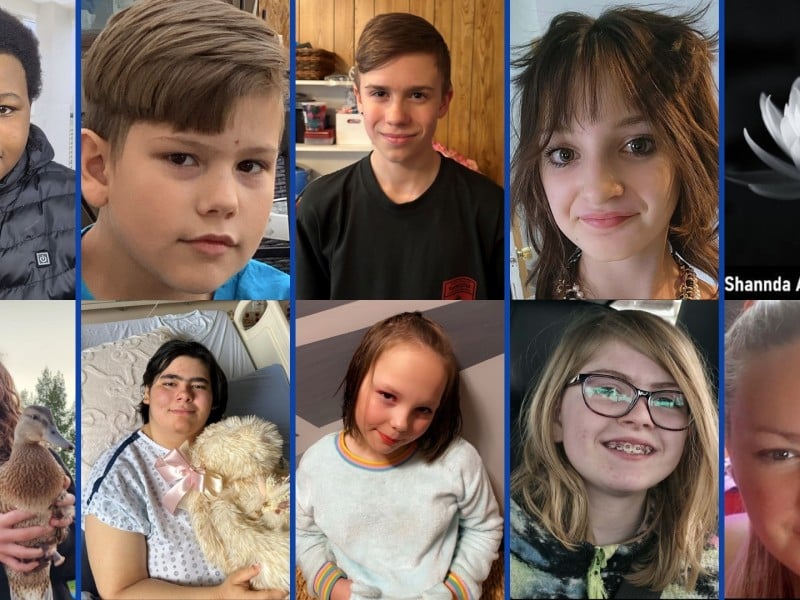
(Opinion) Bear Flat Dispatch: Thoughts on the worst of tragedies in Tumbler Ridge
Regular contributor Ken Boon writes in the aftermath of the Tumbler Ridge mass shooting, which took place on February 10th.
(Opinion) Bear Flat Dispatch: Relieved to be in the hot seat
Regular contributor Ken Boon recounts an incidence in 2018 when he was pleased to be routed through the perfume and makeup section of Shoppers Drug Mart in Fort St. John.
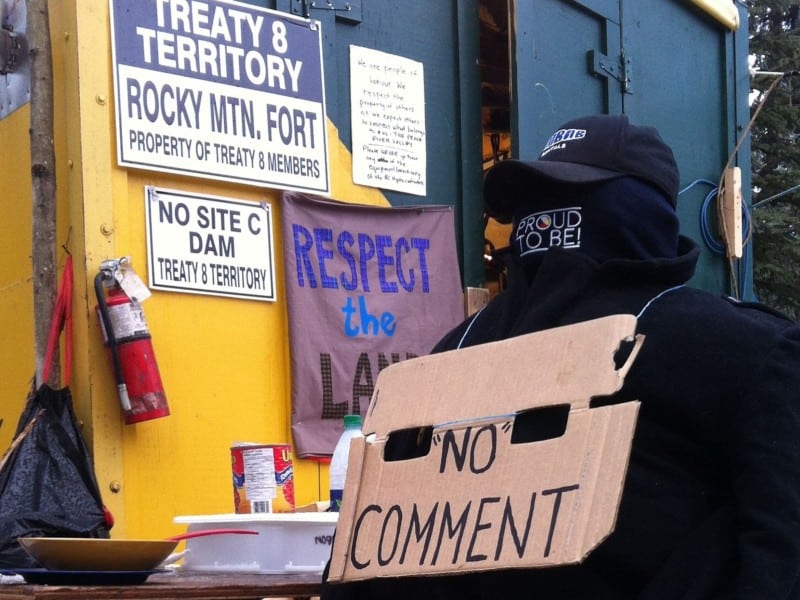
(Opinion) Bear Flat Dispatch: Looking back to 2016 and the difference a decade makes
To celebrate the 2026 new year, regular contributor Ken Boon uses a column he wrote in 2016 to illustrate all the changes in the Peace River region over the last decade, such as the construction of the Site C dam.