
BC Energy Regulator warns of potential water restrictions for oil, gas operators
Northeast B.C.’s watersheds may face critical water shortages in 2024 due to persistent drought conditions.
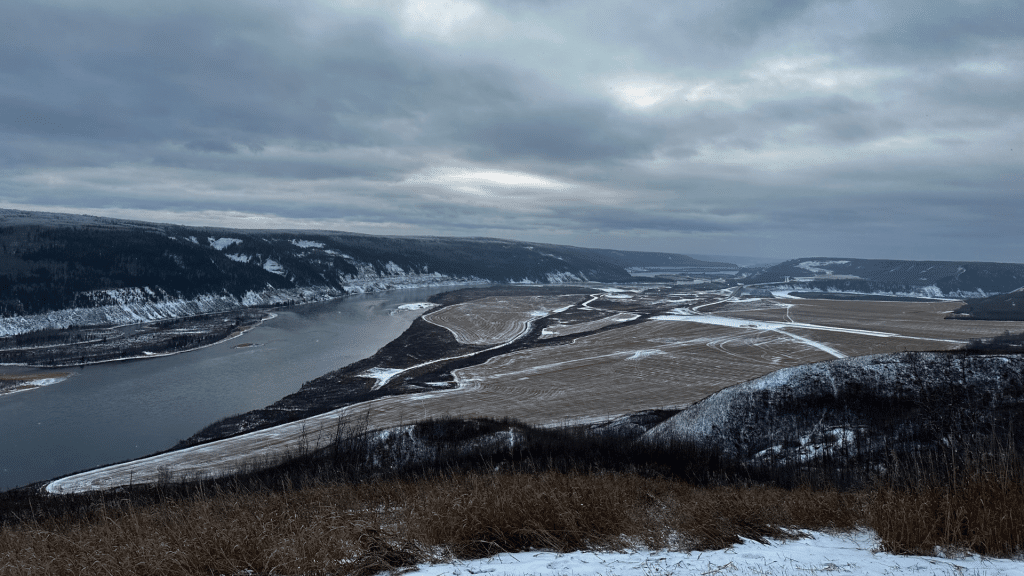
FORT ST. JOHN, B.C. — Northeast B.C.’s watersheds may face critical water shortages in 2024 due to persistent drought conditions.
The B.C. Energy Regulator (BCER) posted a bulletin in January to notify oil and gas operators of the potential for further restrictions in other areas and that current suspensions may be extended for longer.
Water users are encouraged by the BCER to consider water conservation measures, develop or update water use contingency plans and keep informed on drought conditions.
The energy regulator says the drought during last summer and fall is impacting streamflows and groundwater levels on top of the lower-than-average snowpack.
The release from the BCER says the Peace Basin is 72 per cent of its historical average for snowpack as of January 1st.
According to trackingchange.ca, the Peace sub-basin spans 323,00 square kilometres in Alberta and British Columbia.
The BCER says snowpack can change in the months to come, but there is still cause for concern.
Latest Stories
When the 2023 drought monitoring season ended in November 2023, all four basins in the northeast were at drought level 5, meaning adverse impacts are almost certain.
Suspensions for surface water withdrawals authorized under the Water Sustainability Act Section 10 continue for some water sources in the Fraser, Peace and Liard River Watersheds.
Water use suspensions continue for the Salmon River, Beatton River, Doig River, Osborn River, Blueberry River, Kiskatinaw River, Sukunka River, Murray River, Pack River, Fontas River, Sikanni Chief River, Prophet River and Kiwigana River.
More information on drought can be found on the province’s drought information page.
Stay connected with local news
Make us your
home page
Authors

Related Articles
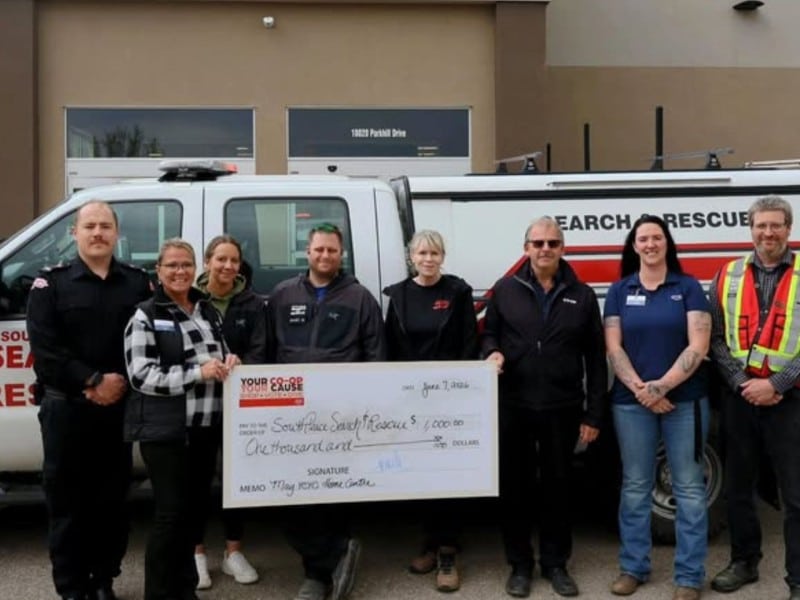
South Peace Search and Rescue named ‘Your Co-op, Your Cause’ recipient
The South Peace Search and Rescue has been gifted a $1,000 donation from the ‘Your Co-op, Your Cause’ initiative
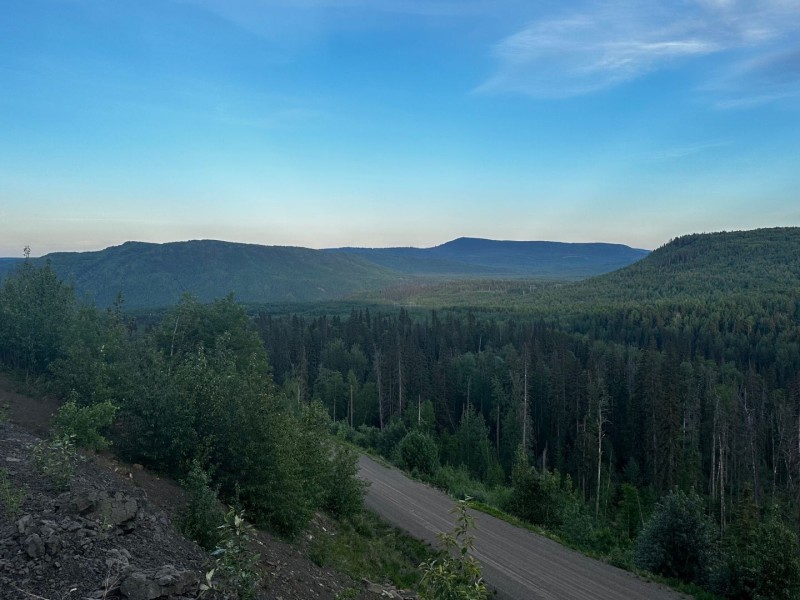
Provincial and federal government commitment to forests to include Fort Nelson project
Total investments from the federal and provincial government toward reforestation and habitat restoration is $355 million.
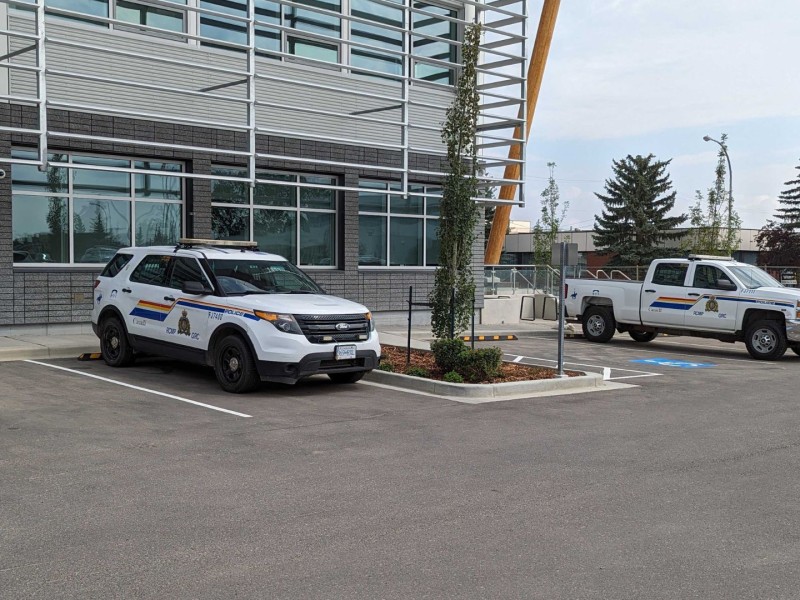
Woman and dog die in Alaska Highway crash
Northern Rockies RCMP have reported a single vehicle car crash on the Alaska Highway ended with a woman and her dog dying on June 11th.