
El Niño could raise risk for hazardous wildfire season in 2024
Lack of snowfall in the Peace is unusual for this time of year, but Environment Canada says it also raises risks for another hazardous wildfire season.
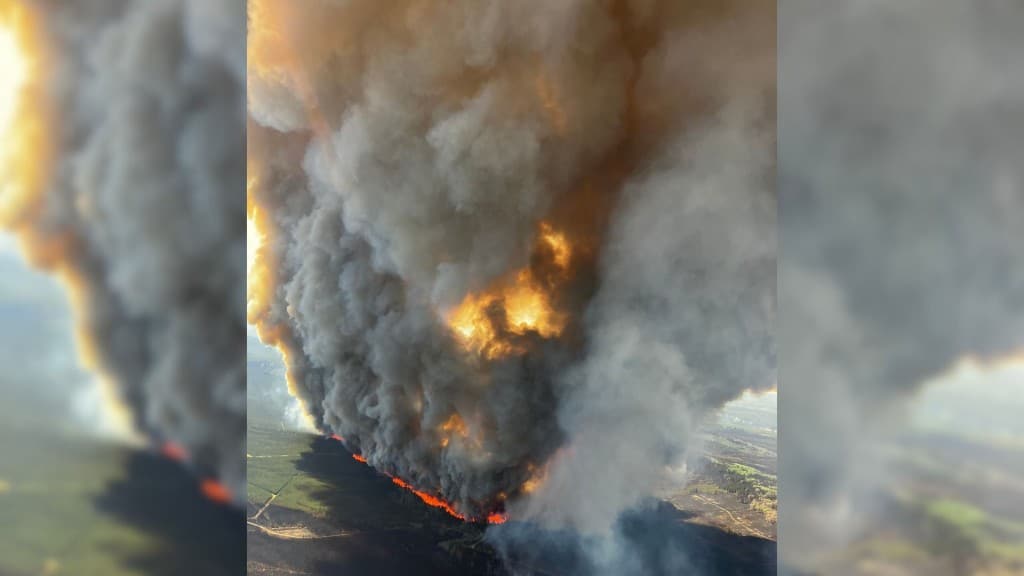
FORT ST. JOHN, B.C. — It’s no secret that the lack of snowfall in the Peace region is unusual for this time of year, but Environment Canada says it also raises risks for another hazardous wildfire season.
In contrast to last year’s La Niña, the region is currently experiencing the El Niño phenomenon, bringing warmer than normal temperatures and minimal precipitation.
According to Environment Canada meteorologist Derek Lee, the lack of snow creates the possibility of a “very short-lived season of melt” in the spring.
“What that means is, parts of the earth after the spring snowmelt can be drier, just because we don’t have that prolonged period of melt-water coming down,” said Lee.
“So, that can raise the risks of having another hazardous fire season upcoming. The overall concern is there, just due to the lack of snow, and the possible short-duration spring melt, because there is nothing to really melt.”
During the province’s record-breaking wildfire season this year, northeast B.C. experienced the Donnie Creek wildfire, which still burns at 619,072 hectares and is classified by the BC Wildfire Service as under control.
Multiple evacuation orders and alerts were issued throughout the region, and many farmers and ranchers are still dealing with the high costs of damage to their property from wildfires.
Latest Stories
Lee says the risks of a hazardous wildfire season aren’t solidified.
“It’s just [a risk] if we don’t get enough precipitation coming up,” said Lee. “Anything can change.”
Peace region residents can stay up-to-date on current and forecasted weather conditions by visiting Environment Canada’s website.
Stay connected with local news
Make us your
home page
Authors

Related Articles
Energeticcity.ca Weekly Review: 100 Episodes of This Week in the Peace
In this edition of the Weekly Review, we celebrate 100 episodes of This Week in the Peace. Plus, the most-read stories of the week.

(UPDATE) Cell, landline service disrupted in Fort St. John
Three major service providers are reporting phone and landline outages in the Fort St. John area.

Recycle-It hosting 2026 Free Stuff Weekend
Residents in Fort St. John will be able to get rid of their unwanted household items while searching for free stuff thanks to Free Stuff Weekend