
671 wildfires burn 2.3 million hectares in Prince George Fire Centre
There was a total of 31,127 hectares burned in the Dawson Creek zone, 85,366 in the Fort St. John zone, and 1,121,201 in the Fort Nelson zone.
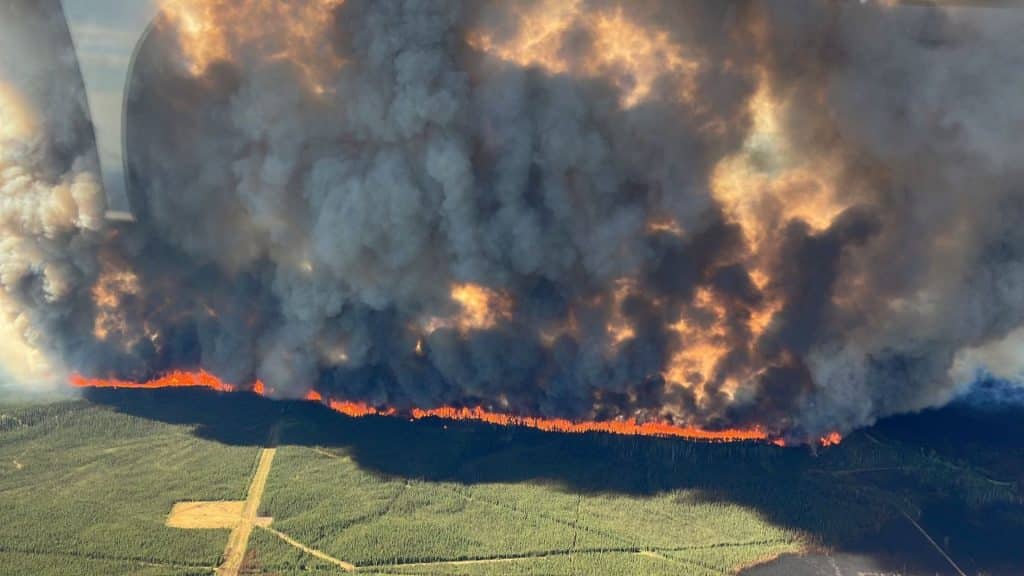
FORT ST. JOHN, B.C. — Just under 2.3 million hectares have been burned by 671 wildfires across the Prince George Fire Centre this year.
Fire information officer Sharon Nickel said 72 of the 671 wildfires were in the Dawson Creek zone, 85 in the Fort St. John zone and 113 in the Fort Nelson zone.
There was a total of 31,127 hectares burned in the Dawson Creek zone, 85,366 in the Fort St. John zone, and 1,121,201 in the Fort Nelson zone.
The Donnie Creek wildfire was a record-breaking 619,072 hectares. Nickel said the hectares burned on that fire alone exceeded the hectares burned by the other five fire centres combined in 2023.
“It’s about 80 per cent of the total hectares burned in the province happened in the Prince George Fire Centre this year,” Nickel said.
Despite the weather conditions, the fire information officer said large fires like Donnie Creek will remain active for quite some time.
“Just because there’s not visible smoke or flame doesn’t mean the fire isn’t still burning,” Nickel said.
Latest Stories
“And it’s nearly impossible to monitor every kilometre of the fire.”
Many of the fires, including the larger fires over 150,000 hectares, are now being classified under control or being held due to the weather. Despite this, Nickel said fires do travel underground through root systems, where they can smoulder in the winter.
“The snow actually kind of serves as an insulation in a way, and because we didn’t get substantial rainfall before the ground started to freeze, that soil was still really, really dry,” Nickel said.
“So when we come into spring, unless we have a lot of snow and a nice, low spring melt, those fuels are going to still be dry, and it’s going to dry out quickly.”
For example, the fire information officer said the Battleship Mountain and Bearhole Lake wildfires remained active into the spring, and those were considerably smaller than many of the fires on the landscape now.
She said though the potential for natural starts has significantly diminished for the year, the potential for human-caused fire starts remains, particularly in areas that are still dry.
Crews have moved from fighting wildfires to other tasks now that the temperatures have dropped.
“We’re now really moving our focus to pulling gear off the fires because we can’t have hoses and pumps out there with any kind of water. It’ll freeze, and it’ll ruin our equipment.”
“The crews now move to doing rehabilitation work, as well as completing geometric scans. Getting those accurate perimeters and those accurate maps for each of our incidents.”
The Zaremba Creek, Milligan Hills and Stoddart Creek wildfires were also listed as under control with the recent cooling temperatures.
Stay connected with local news
Make us your
home page
Authors

Related Articles

(UPDATE) Cell, landline service disrupted in Fort St. John
Three major service providers are reporting phone and landline outages in the Fort St. John area.
Single-lane traffic on Highway 52 due to wildfire
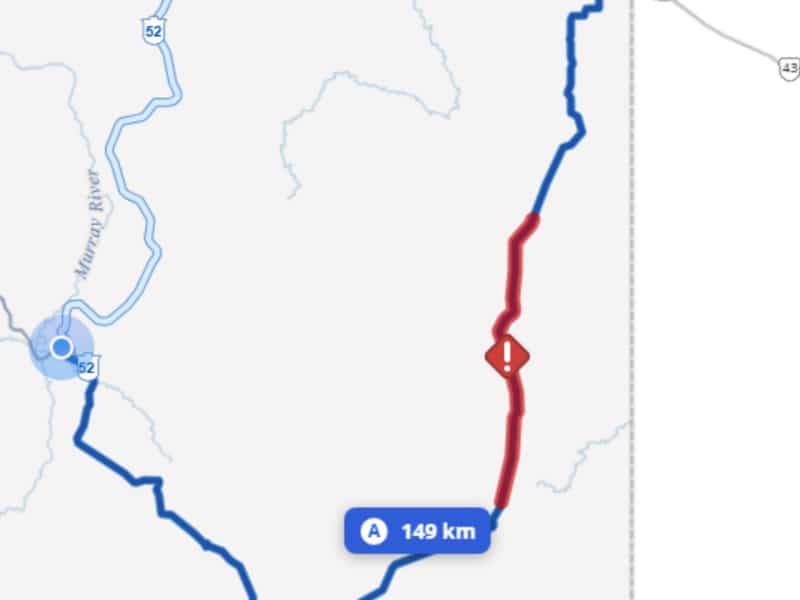
There will be single-lane alternating traffic daily from 7 a.m. to 9 p.m. on Highway 52 due to the Sunderman Creek wildfire.

B.C. Conservatives call for update on Northern B.C. involuntary care facility
The Conservative Party of British Columbia is calling on the provincial government to provide an update on a proposed Prince George involuntary care facility.