
ICBC warns drivers to look out for wildlife this spring
ICBC is urging drivers to be on the lookout for wildlife on B.C. roads this spring.
FORT ST. JOHN, B.C. — ICBC is warning drivers to keep an eye out for wildlife on B.C. roads this spring.
According to ICBC data, more than 112,000 crashes involving wildlife were reported province-wide between 2015 and 2024, including 24 fatal incidents, it said in a press release on April 29th, 2026.
Since 2020, collisions involving wildlife have increased each year, with a record high of 12,519 crashes occurring in 2024, according to the release.
Niki Sharma, B.C.’s attorney general, urges residents of B.C. to take steps to avoid crashes.
“Slowing down and driving defensively in high-risk areas can help prevent crashes and protect both people and wildlife,” she said.
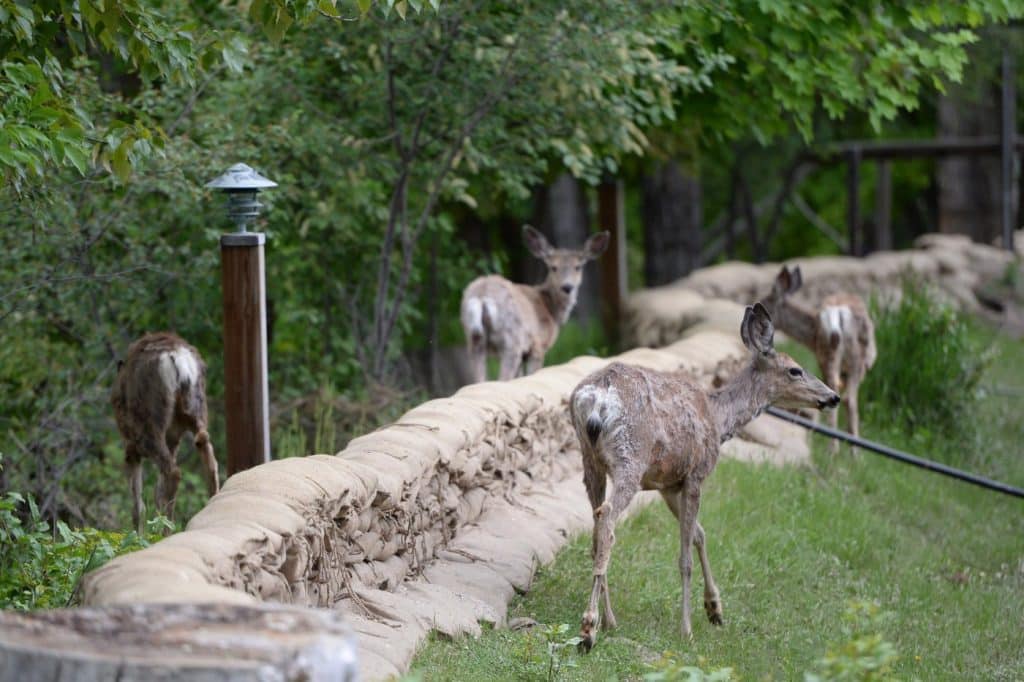
Since 2015, Deer have been involved in almost three out of every four wildlife collisions, including over 75 per cent of all province-wide wildlife crashes in 2024.
Jadzia Porter, program coordinator for the Wildlife Collision Prevention Program, explained the reasons behind the high number of deer-related incidents.
Latest Stories
“May is one of the most dangerous months for deer collisions as they’re migrating and moving more frequently across B.C.’s roads,” said Porter. “With deer populations continuing to grow, the risk is increasing everywhere.”
According to the release, Deer are not the only animals residents should be on the lookout for. Moose, Bear, Elk, and Racoons are among some of the most common animals involved in collisions throughout the province.
ICBC said it has provided over $750,000 in road safety improvement projects across the province since 2016.
It also said it has partnered with the BC Conservation Foundation’s Wildlife Collision Prevention Program to reduce wildlife collisions and improve safety for both drivers and animals by providing more than $146,000 in funding since 2012.
According to ICBC, drivers can take numerous steps to prevent wildlife collisions:
- Maintain your vehicle by ensuring headlights, signal lights, tail lights, and windshield wipers are clean and working properly. Check tire tread to ensure you have the appropriate traction on the road, and test your horn to make sure it is loud and clear.
- Respect road signage: wildlife crossing warning signs are put in place by local governments for your safety in high-crash locations
- Slow down: Speed is one of the most common factors in vehicle collisions. Maintain your speed to ensure you have enough time to react when steering away from an animal or coming to a stop to avoid a collision.
- Drive defensively: Drivers and passengers should be on the lookout for wildlife on the road, in the ditch, on the shoulder, and in the right-of-way. Shining eyes can be a sign that your headlights are reflecting off the animal’s eyes. Indications from other drivers of wildlife crossing the road can include flickering headlights or taillights.
- The right mindset: Drivers should exercise heightened awareness when driving through areas with a wildlife crossing warning sign, including considering what they might do if an animal suddenly appeared in front of their vehicle.
Stay connected with local news
Make us your
home page
Authors

Related Articles

Fort St. John leads the way in Canada Day celebrations in the Peace Region
Communities across the Peace Region will hit the streets on July 1st for Canada Day.
FSJ to work with neighbouring governments to expand emergency aid agreement
The City of Fort St. John is working with its neighbours to work on a new mutual aid agreement to provide support when a major emergency event occurs.
Communities in the Peace Region are asking residents to pay property taxes to avoid penalties
The City of Fort St. John is reminding people to pay the taxes by the July 2nd deadline to avoid penalties.