
BC Government announces changes to Wildlife Act to protect wild sheep
The B.C. Government has announced changes to the Wildlife Act to protect wild sheep from disease.
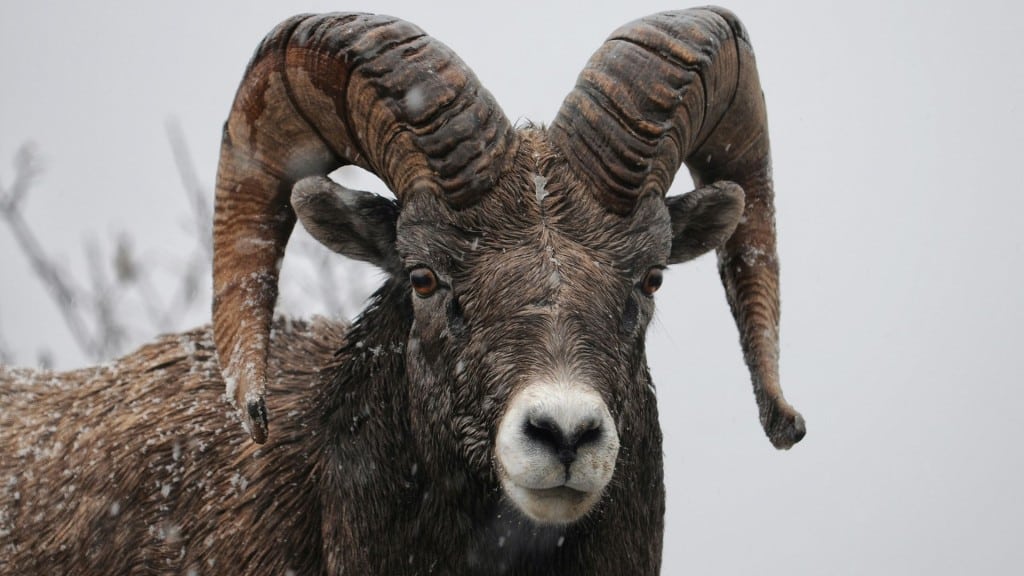
FORT ST. JOHN, B.C. — The B.C. government has announced changes to the Wildlife Act in an attempt to protect wild sheep from disease.
According to a release from the B.C. government, it has introduced regulatory changes to the Wildlife Act to help protect wild sheep from contracting diseases transmitted from domestic sheep.
“The new rules improve the Province’s ability to respond when escaped or abandoned sheep may come into contact with wild sheep, helping prevent suffering and large-scale die-offs in wild herds,” the release said.
Looking for something to do?
Check out our new Events Calendar!
While domestic and wild sheep can contract many of the same infectious organisms, their immune systems and resistance to diseases differ, according to the Government of British Columbia.
Mycoplasma ovipneumoniae (M. ovi) is a bacteria commonly found in the nasal cavities of domestic sheep and goats, which rarely causes illness in domestic animals, but can result in deadly pneumonia in wild sheep.
Domestic sheep can often carry M. ovi without showing signs of infection. When not properly contained, domestic sheep can spread the bacteria to wild sheep through activities such as grazing nearby, nose-to-nose contact or sharing water or salt sources.
Once introduced, the B.C. government said M. ovi can quickly spread through wild populations, causing die-offs across all age groups, resulting in long-term population decline as fewer lambs survive while the disease persists.
Latest Stories
Proper containment practices are an important step in preventing domestic animals from escaping and interacting with wild populations, reducing disease transmission, according to the B.C. government.
It also said in the release that domestic sheep are now classified as “non-domestic” animals under certain sections of the Wildlife Act. As a result of the changes, the following provisions are now in place for sheep.
- Releasing or abandoning sheep on Crown land is an offence
- Owners must make every reasonable effort to recover escaped sheep
- The province assumes ownership of released or abandoned farmed sheep
- Wildlife officers can lethally remove escaped or abandoned sheep at large if they pose a risk to wild sheep or wildlife habitat
The B.C. government said these changes are consistent with similar restrictions on goats under the Wildlife Act, which pose a disease transmission risk to their wild counterparts.
According to the government, these steps support its work to protect biodiversity and ecosystem health, including efforts to prevent the spread of disease and support healthy wildlife populations throughout the province.
For more information on the Wildlife Act, visit the B.C. government website.
More information on the M. ovi disease can also be found online.
Stay connected with local news
Make us your
home page
Authors

Related Articles

District of Taylor and TIMAG to host Emergency Preparedness Week
The District of Taylor and TIMAG will be hosting an open house and BBQ for Emergency Preparedness Week in Taylor on May 6th from 5:30 p.m. to 7:30 p.m.
ICBC warns drivers to look out for wildlife this spring
ICBC is urging drivers to be on the lookout for wildlife on B.C. roads this spring.

Environmental advocates call LNG tax incentive a fossil fuel subsidy
CALGARY — A tax incentive for “low carbon” liquefied natural gas facilities amounts to a government subsidy for the fossil fuel industry at a time when Canada should be pivoting to electrification and renewables, environmental advocates say. The spring economic update released Tuesday included details around an accelerated capital cost