
Taylor ponders solutions for $680K budget shortfall
The District of Taylor is working to make up a $680,000 shortfall in its upcoming 2026 budget by balancing proposed taxation rates for residents.
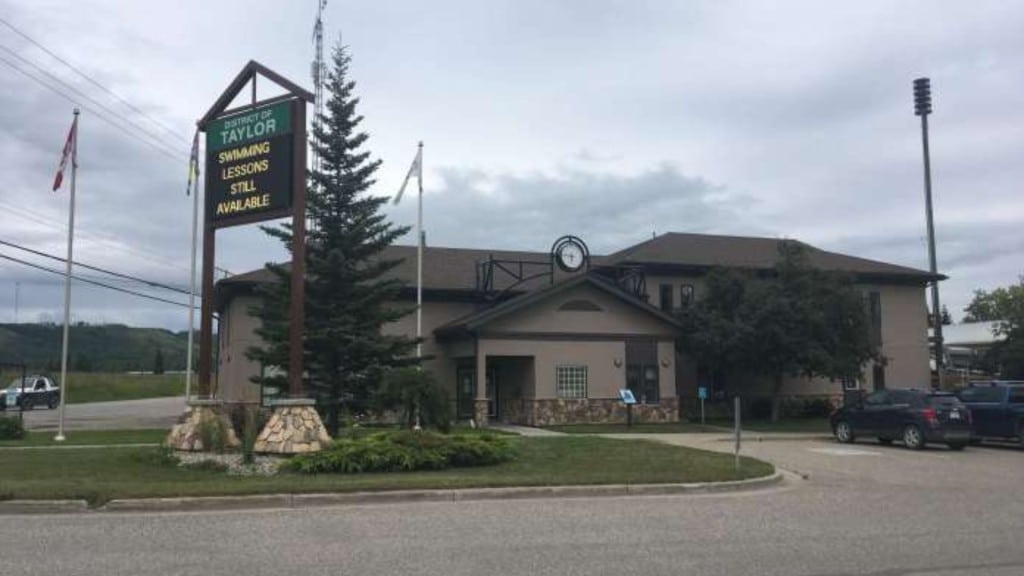
FORT ST. JOHN, B.C. — The District of Taylor is brainstorming solutions for a shortfall of more than $680,000 in its upcoming 2026 budget.
During the February 2nd committee of the whole meeting, the District of Taylor council reviewed proposed taxation rates for 2026.
If the district’s tax rates remain the same from 2025, it would face a $684,177.30 shortfall in its 2026 taxation obligations to other governments, based on property assessments, in Taylor’s $4,514,669 annual budget.
The district’s 2026 property assessments showed a total taxation base increase of $19.87 million in assessed value, which is a 8.02 per cent increase from the previous year, while the residential taxation class’s assessment increased by 9.87 per cent. The net impact from new construction, in comparison, showed a decrease of $12,734.
In a report to council, staff outlined five options for taxes in 2026, four of which would solve the deficit:
- Maintain 2025 tax rates for 2026, which would cover 38.83 per cent of the proposed operating expenditures for 2026 and not reduce the deficit in any capacity.
- Increase taxes evenly across all assessment classes by two per cent, reducing the shortfall to $522,509.86.
- Increase taxes by three per cent evenly across all assessment classes, reducing the shortfall to $487,420.02.
- Increase taxes across all assessment classes by 3.5 per cent, which would leave a budget shortfall of $469,875.10.
- Increase taxes for all assessment classes by four per cent, reducing the budget shortfall to $452,330.18.
Latest Stories
The council discussed the options extensively, going through each tax class, and ultimately chose to customize a solution for residents.
The councillors and mayor tentatively agreed to keep residential taxes the same and increase major industrial by four per cent, light industrial by eight per cent and two per cent on recreation.
These decisions would lead to reducing the deficit to $460,000, and council agreed to return to the subject in a future council meeting to “find certain services or strategies” to make up the gap.
Because the report was presented during a committee of the whole meeting, no votes or decisions were made regarding the taxation options.
Staff will return before council during its February 17th meeting with more solutions, an updated deficit, a review of the 2026-2030 Financial Plan and 2026 taxation rates. Consideration and adoption of the 2026-2030 Financial Plan Bylaw and the 2026 Taxation Bylaw will be finalized after April 20th.
Stay connected with local news
Make us your
home page
Authors

Related Articles

Fort St. John business suffers $2K theft as owner calls out ‘frustrating’ shoplifting
Snehal Mistry has owned Fort St. John-based Merwin Optical since 2021. The business has been targeted by shoplifting twice since November 2025.

Youth hangout event coming to Lido Theatre
The 4You Youth Hangout is scheduled for February 7th from 6 p.m. to 9 p.m. and is open to all youths aged 12 to 18.
Car crashes through fence in Fort St. John
It appears a car broke a fence of a residential home in the 100th Street and 103rd Avenue area in Fort St. John on February 4th.