
Nearly 200 forest fires fought in northeast B.C. during wildfire season 2025
Wildfire season 2025 saw 199 blazes in northeast B.C., while the province saw 1,350 in total.
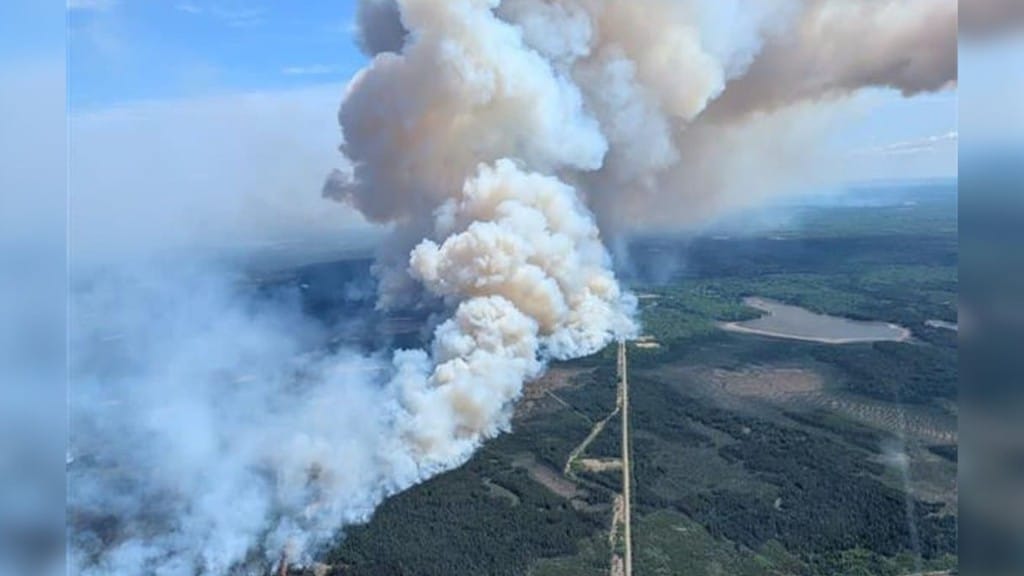
FORT ST. JOHN, B.C.— In the 2025 wildfire season, 199 wildfires were fought in Fort St. John, Fort Nelson and Dawson Creek areas in the “second-worst wildfire season in Canadian history.”
The Ministry of Forests said in a news release on December 29th, 2025, the province has experienced over 1,350 wildfires burning an estimated 886,360 hectares of land since April 1st that year.
In the news release, Ravi Parmar, minister of forests, said: “We’re coming off our second-worst wildfire season in Canadian history.”
The Prince George Fire Centre specifically – the branch of the BC Wildfire Service (BCWS) covering northeast B.C. – recorded 354 fires in the 2025 wildfire season.
Emily Baker, information officer of the BCWS, shared the numbers for the Peace region area with Energeticcity.ca:
- Fort St. John zone – 55 fires
- Dawson Creek zone – 53 fires
- Fort Nelson zone – 91 fires
Latest Stories
The release added the province is continuing to build on the lessons learned by using wildfire predictive technology, night-vision resources and working hand-in-hand with local, national and international partners.
This comes after Natural Resources Canada received a $257.6 million investment to lease firefighting aircraft which can include water bombers.
The Ministry of Forests also hosted the national wildfire symposium in Vancouver on December 5th with a goal to share best practices and enhance a national framework for wildfire resilience.
This season saw over 42 evacuation orders affecting approximately 2,600 properties and 91 evacuation alerts that affected approximately 6,950 properties.
The Peace region had its share of evacuation orders last year, including in Kelly Lake for the Kiskatinaw River blaze.
Kelly Greene, minister of emergency management and climate readiness, said in the release: “People’s lives are increasingly being impacted by the effects of climate change and we must be proactive in how we prepare for climate-driven emergencies.
“Our first priority is to protect people and ensure that communities have the tools and resources they need to stay safe during emergencies.”
The BC Wildfire Service has taken several measures to fight wildfires, including increased hiring, year-round staff and doubling the size of the night-vision-capable fleet to four helicopters.
Additionally, over $40 million was allocated to BC Wildfire Service from the Budget 2025 to support FireSmart initiatives, resiliency and wildfire risk-reduction projects.
For the 2026 wildfire season, the province says it will continue to look at new technology and opportunities for better prevention and response.
Parmar said: “From technology to equipment and training, all to protect people and communities, the BC Wildfire Service has shown us that they are a global leader in wildfire work.
“Thanks to the dedicated members working tirelessly to fight the threat of wildfire. In 2026, we will raise the bar even higher.”
For more news about all our wildfire coverage, visit our dedicated forest fires page.
Stay connected with local news
Make us your
home page
Authors

Related Articles
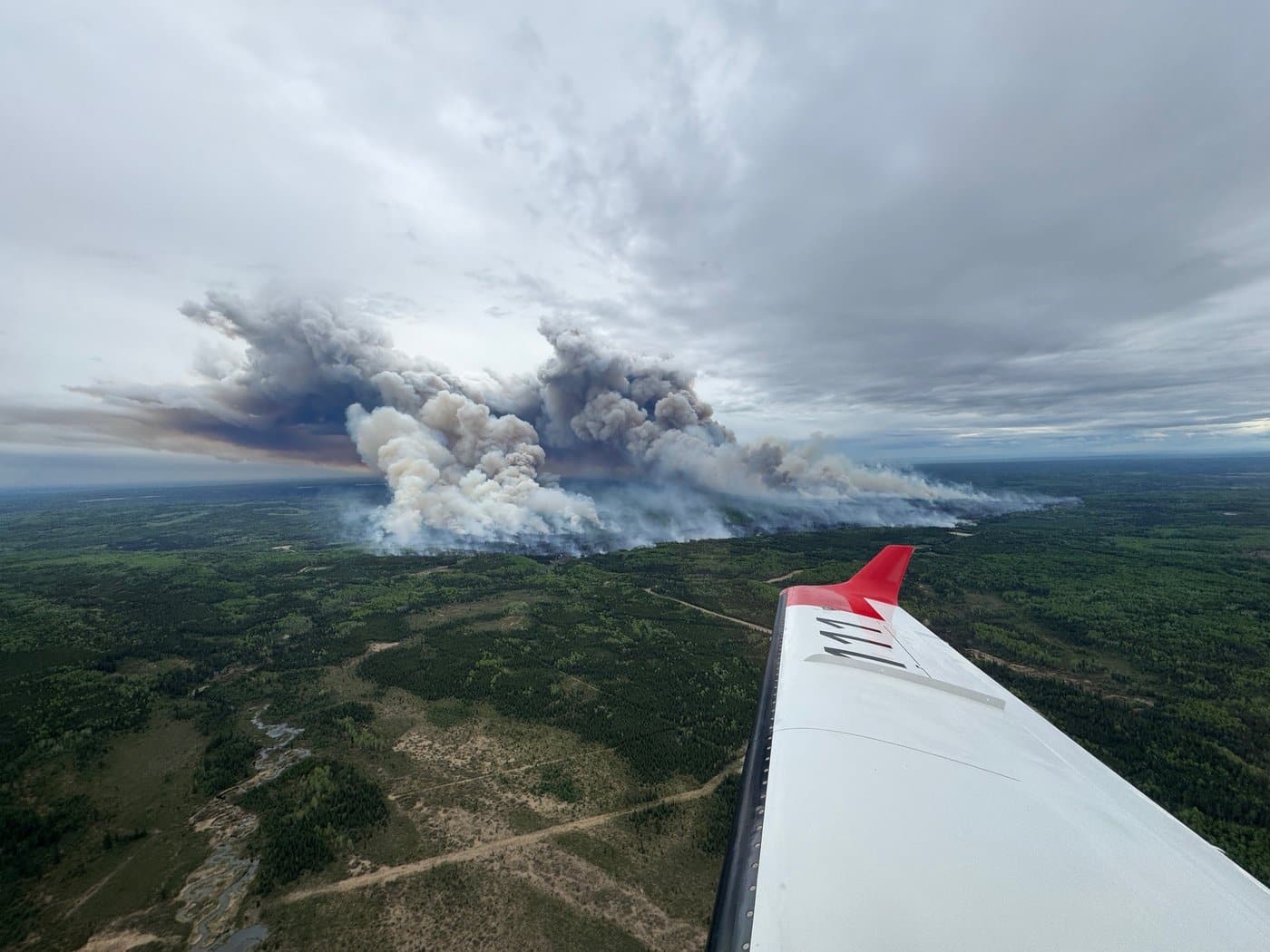
Fort St. John seeks new emergency support volunteers as wildfire season approaches
The City of Fort St. John is looking for volunteers to help the community during evacuations and other emergencies.
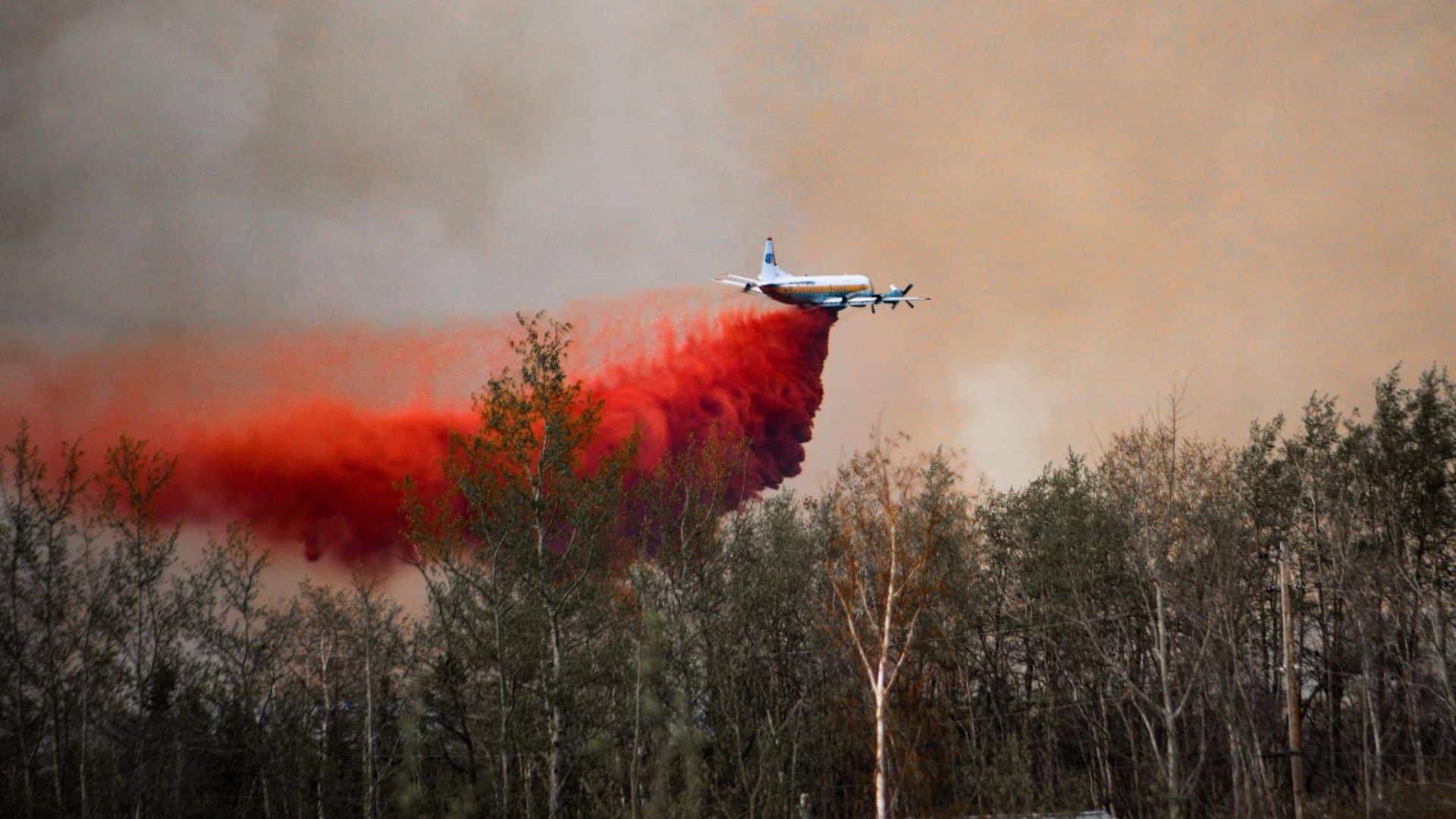
‘Important investment’: B.C. forestry ministry praises $257.6 million federal boost to wildfire fighting
A recent $257.6 million investment to Natural Resources Canada will go towards Canada’s firefighting capacity, including in B.C.
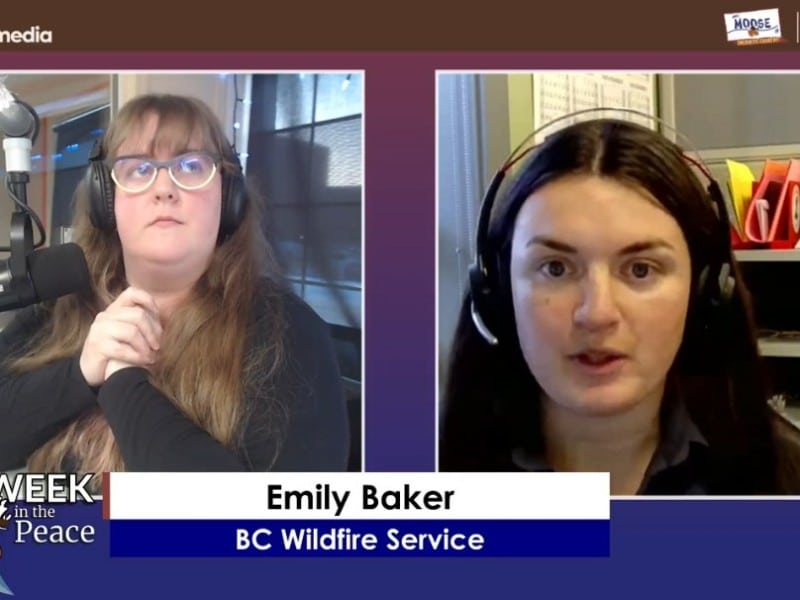
Video This Week in the Peace – BC Wildfire Service & Dawson Creek Firefighter Update
On this episode of This Week in the Peace, we get updates from the BC Wildfire Service and Dawson Creek Firefighter Capt. Brooks Gower