
(OPINION) Enserva CEO: So, you signed an MOU on energy – now what?
Gurpreet Lail, CEO of Enserva – the industry association for energy – writes on the recent memorandum of understanding signed between Ottawa and Alberta.
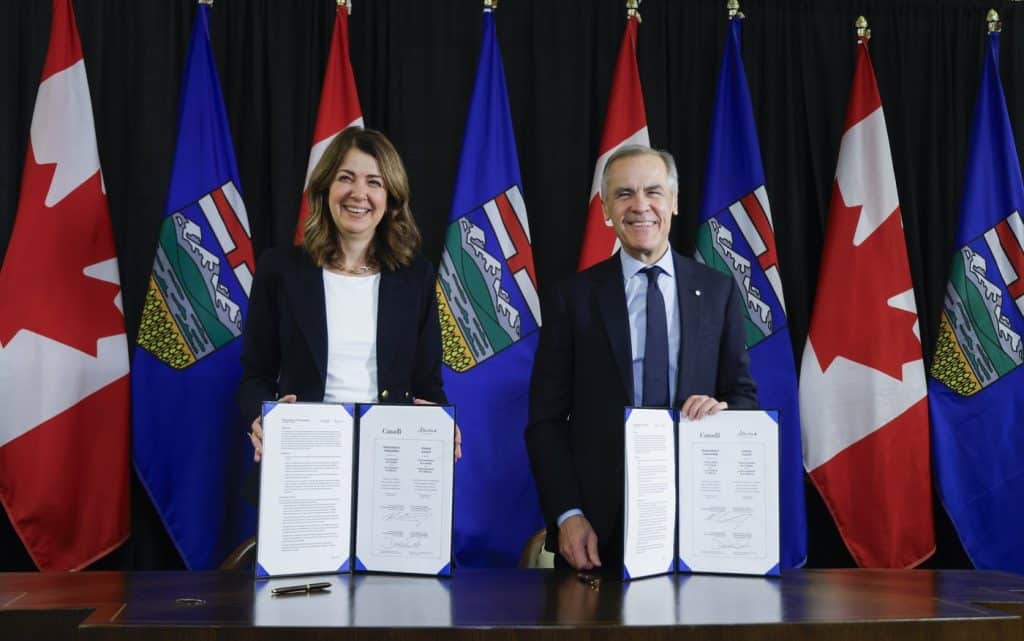
FORT ST. JOHN, B.C. — Canada and Alberta have signed a sweeping memorandum of understanding on energy.
It promises national-interest pipelines, the world’s largest carbon capture project, interprovincial grid expansion, nuclear readiness and a regulatory reset to accelerate approvals.
It reads like a blueprint for becoming an energy superpower — and it is, or at least could be. But paper doesn’t build pipelines, barrels don’t move because leadership shook hands and homes don’t get heated because of a signature.
So, now what?
Now, Canada must turn ambition into action — not in Ottawa or Edmonton boardrooms, but in fabrication yards, on drilling rigs and pressure pumpers, in grid control rooms, engineering trailers and welding booths across the country.
This MOU unlocks projects of unprecedented scale: a million-barrel-per-day pipeline to Asian markets with Indigenous co-ownership, the full build-out of the Pathways carbon capture, utilization and storage (CCUS) system, massive transmission interties across Western Canada and a nuclear plan by 2027.\
These are not just talking points, they are construction schedules, procurement orders, skilled-labour rosters and commissioning deadlines waiting to be activated.
Latest Stories
And make no mistake: these nation-building projects will not be executed by government. They will be designed, engineered, fabricated, erected, maintained, inspected, digitized and decarbonized by Canada’s energy services, supply and manufacturing sectors. They will be delivered by Enserva’s members.
Importantly, the MOU provides something Canada has not seen in more than a decade: the conditions to actually build out our nation’s potential as an energy superpower.
The commitment to a maximum two-year approval window, reduced duplication, single assessment processes and investment-certainty reforms are not footnotes, they have the potential to be catalytic.
They mean crews spend more time building and less time waiting. Capital goes into equipment instead of holding patterns. Apprentices become journeypeople before mega-projects stall and fade.
If Canada is serious about becoming an energy superpower, it must recognize that superpower status is not earned in the language of an MOU — it is earned in manhours, metal, megawatts, carbon-storage volumes and export capacity.
We do not become globally competitive because we express ambition: we become globally competitive because industry is empowered to execute faster, safer, cleaner and at scale.
The MOU sets the ambition. But it is Enserva’s members — the welders, machinists, valve makers, compressor builders, drilling and pressure pumping crews, CCUS specialists, fabricators, Indigenous infrastructure partners and grid operators — who will turn it into a functioning future.
So, you signed an MOU on energy. Congratulations! Now comes the hard part: the nation-building work delivered by the people who power hospitals, heat homes, keep communities running and unlock Canada’s full potential as an energy superpower.
A stronger Canada is not declared. It is built. It’s time for the building to start now to unleash Canadian energy and end energy poverty.
Stay connected with local news
Make us your
home page
Letters to the Editor
Letters to the Editor should be exclusive to Energeticcity.ca. Include your name, address and daytime phone number. Keep letters to 500 words or fewer. Letters may be edited for length and clarity. To submit a letter by e-mail to contact@energeticcity.ca.
Related Articles
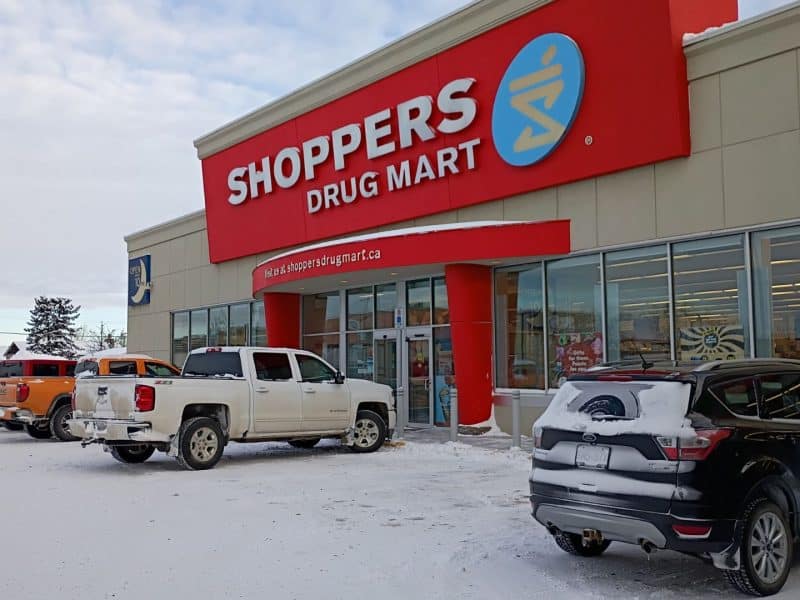
(Opinion) Bear Flat Dispatch: Relieved to be in the hot seat
Regular contributor Ken Boon recounts an incidence in 2018 when he was pleased to be routed through the perfume and makeup section of Shoppers Drug Mart in Fort St. John.
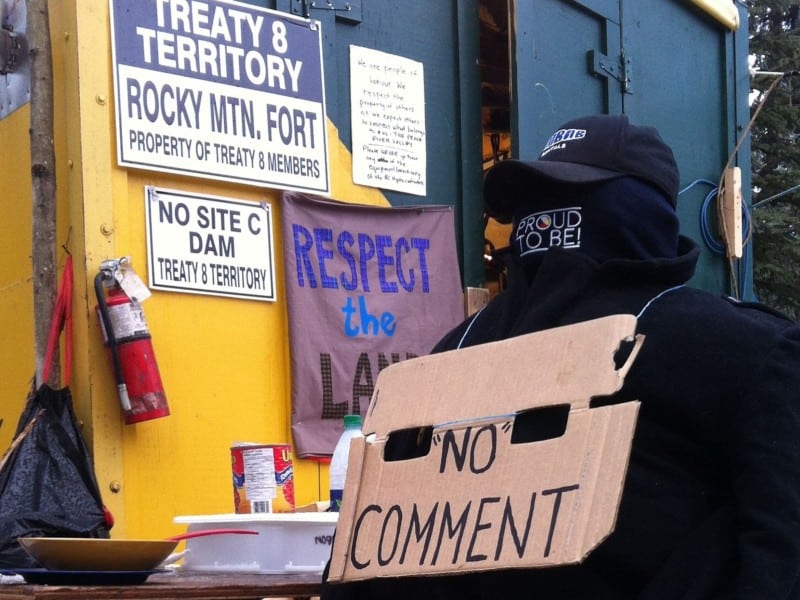
(Opinion) Bear Flat Dispatch: Looking back to 2016 and the difference a decade makes
To celebrate the 2026 new year, regular contributor Ken Boon uses a column he wrote in 2016 to illustrate all the changes in the Peace River region over the last decade, such as the construction of the Site C dam.

(Opinion) Bear Flat Dispatch: A ‘hostile takeover’ of municipal elections
In this column, regular contributor Ken Boon is adding his voice to those who oppose the registering of the Conservative Electors Association in Fort St. John and other municipalities around B.C.