
Indigenous explainers: What are land acknowledgements?
Land acknowledgements are quoted before community events or council meetings, recognizing the Indigenous ancestors who lived and live upon the land.
FORT ST. JOHN, B.C. — Land acknowledgements have proven controversial – with some supportive and some critical – in the year 2025.
Otherwise known as territorial statements, the acknowledgments are statements usually quoted before a public event, recognizing the Indigenous people who lived – and in most cases, still do – on the land prior to colonization.
For example, the District of Taylor just completed its work on a land acknowledgment, recognizing the traditional territory of Treaty 8 whilst at the same time stating “the deep connection to the land and water, where everyone’s rights are respected, and opportunities are available for all to thrive.”
The acknowledgement, read before meetings and events in the district, was constructed after extensive consultation with First Nations and organizations in the region, including feedback from the Treaty 8 Tribal Association.
Since the release of the Truth and Reconciliation Commission of Canada’s final report in 2015, land acknowledgements are now used in many contexts ranging from public gatherings to e-mail signatures.
Some believe this should mean a greater relationship between the settler community and Indigenous people, according to Treaty 8 Tribal Association’s archive manager Denee Renouf.
Renouf says land acknowledgements recognize the “importance of the relationship between settlers and the Nations who were here first,” but sometimes people fail to recognize their purpose.
Latest Stories
“I work in land acknowledgement. I have a lot of people who work in different parts of the city, and they don’t know what to say for a land acknowledgment,” said Renouf. “There is confusion around ceded and unceded territory, or treaty and not treaty, or what are they acknowledging.”
The concern of tokenism is something Peace River North MLA Jordan Kealy would agree with.
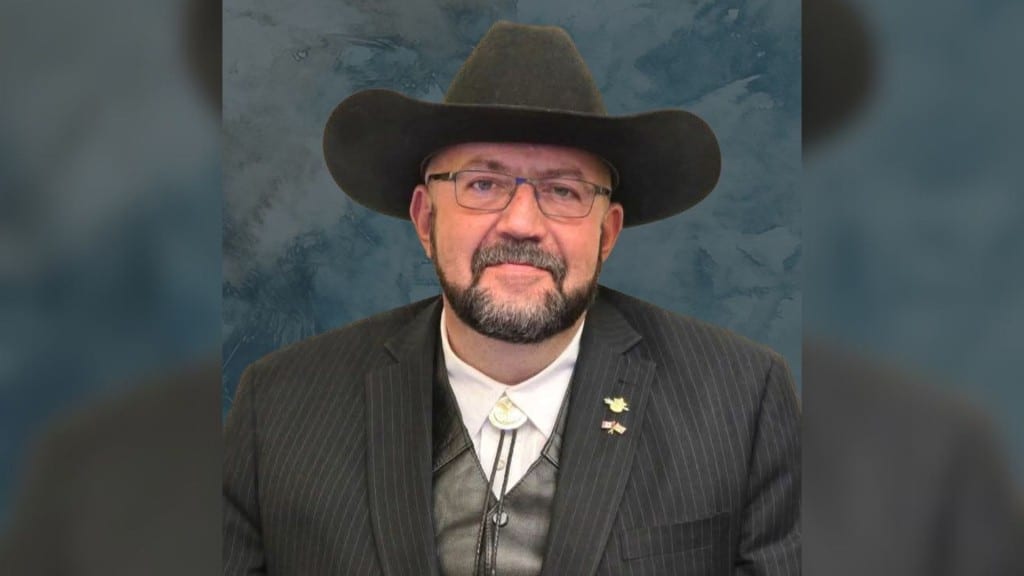
Just last month, Kealy brought forth a request to repeal the province’s Declaration on the Rights of Indigenous Peoples Act (DRIPA) – something he called “divisive at a time we need unity.”
DRIPA was enacted into law back in 2019 as a “framework for reconciliation and introducing better transparency and predictability,” with the act being framed around the United Nations Declaration on the Rights of Indigenous Peoples (UNDRIP).
The request to repeal was defeated before a second reading.
“I don’t think [land acknowledgements] really serve a major purpose,” said Kealy while speaking with Energeticcity.ca. “If you are going to acknowledge the land, actually do something about it.
“We actually need to find a place where we can have modern treaties so we can find equal footing, and we are all just British Columbians where we don’t have major disagreements.”
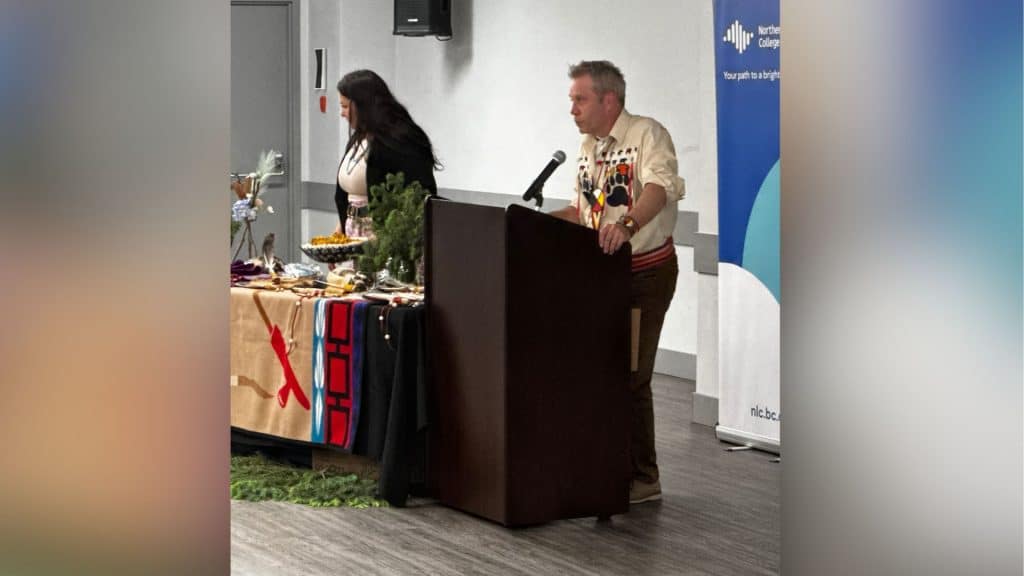
However, while the director of Indigenous education at Northern Lights College in Fort St. John, Michael Calvert, spoke to both points of view, he says land acknowledgments are actually a “starting point” for settlers to take a deeper understanding of the Indigenous community and their histories, as a step toward reconciliation.
“They can be seen as tokenizing, they can be seen as disingenuous,” said Calvert. “These scripts are written generally by organizations or community organizations, or businesses or government agencies. I see them as a starting point.
“I also want [people] to understand that a land acknowledgement needs to be personal. There needs to be a true and real connection with that land acknowledgement.
“If people can demonstrate through their land acknowledgement a personal interaction with the land, their own connection with the land, their own understanding of the people, the original people of the land.
“Those are the moments where we can really have people take a step forward in reconciliation, when they’re actually thinking about how they are interacting with the land.”
Stay connected with local news
Make us your
home page
Authors

Related Articles
Community plan shows ‘coordinated, efficient long-term planning,’ First Nation says
Fort Nelson First Nation held a community engagement meeting about its Reaching For Our Vision (RFOV) plan and Four Pillars Plan in February 2026.
Friendship Centre-based youth group looks to earn trip to Indigenous conference
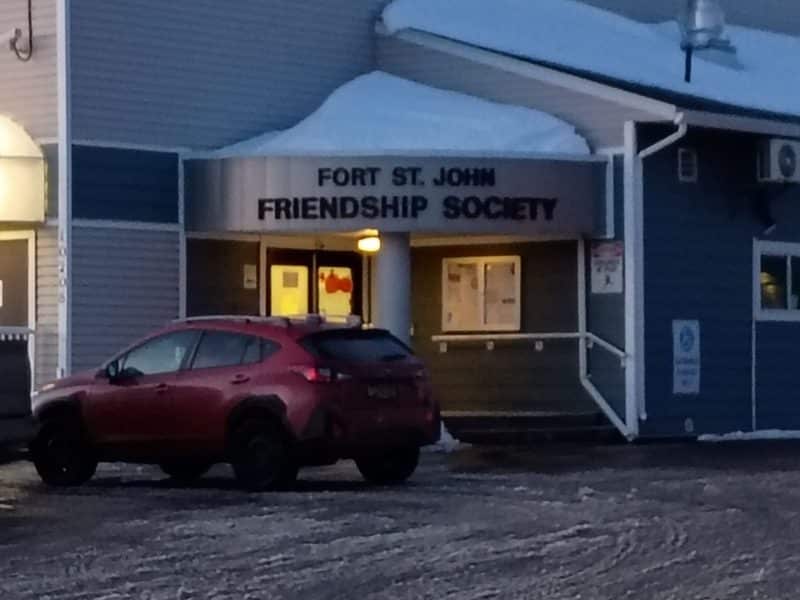
The Miyo’sen Youth Group, organized at the Fort St. John Friendship Society, is looking to raise money for the Gathering Our Voices conference in Vancouver in March 2026.
Input sought on land-use planning project between Doig River First Nation and province
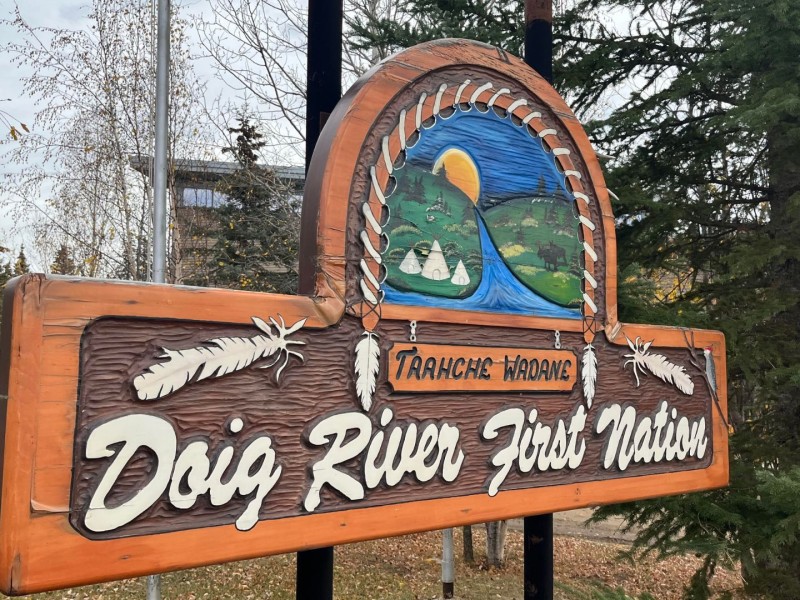
B.C. and Doig River First Nation’s joint land-use plan has its roots dating back to the Consensus Document back in 2021.