
Treaty 8 Nation to head to Brazil as part of COP30 delegation
COP30, the United Nations’ climate change conference, will see the First Nations Climate Initiative group – including Halfway River’s Darlene Hunter – go to Brazil as part of a Canadian envoy.
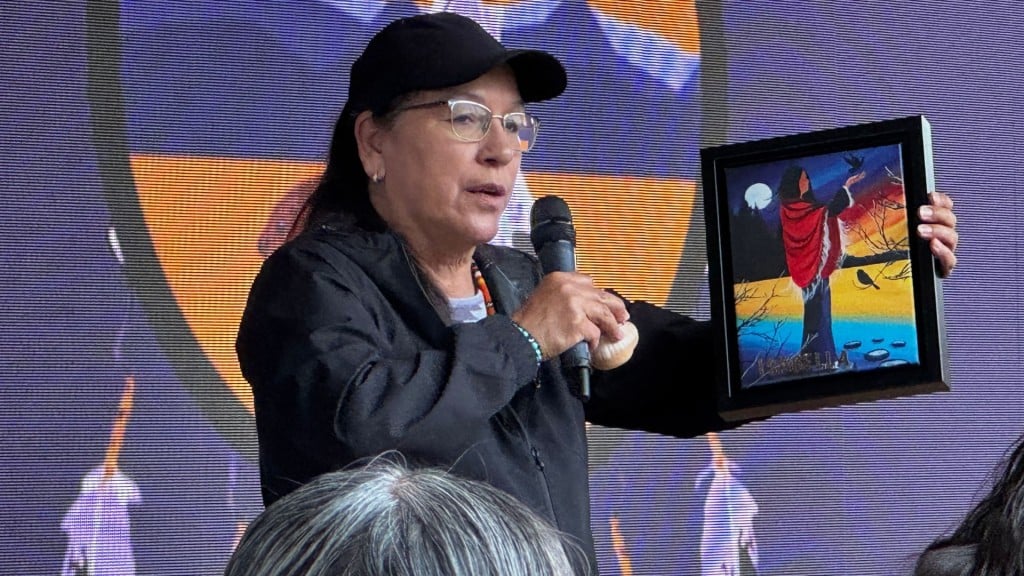
FORT ST. JOHN, B.C. — A Treaty 8 Nation from northeast B.C. will be part of a delegation representing Canada on the world’s biggest stage focusing on climate change.
According to a press release, First Nations Climate Initiative (FNCI) will be part of the Canadian government’s envoy at the United Nations climate change conference, better known as COP30 in Belem, Brazil later this month.
This is the fourth year FNCI has been a part of the delegation. The FNCI is an Indigenous-led partnership between several B.C. First Nations – including Halfway River First Nation (HRFN) north of Fort St. John – dedicated to furthering Indigenous communities through “strategic climate action,” according to its website.
Local News Straight
to Your Phone
Download our app today!
Available on Android and iOS devices
Although FCNI was formed in 2019, HRFN didn’t join the initiative until 2022. The press release says FNCI has spearheaded “more than $60 billion in Indigenous-owned and partnered clean-energy, transmission and restoration projects.”
HRFN Chief Darlene Hunter said in the release that climate action “begins with taking care of the land that takes care of us.”
“The work we’re doing isn’t just about projects or programs, it is about balance,” said Hunter. “When we restore the land, we restore our people’s connection to it.”
November is a busy month for the FNCI. According to the statement issued by FNCI, they will tour in Spain alongside an Indigenous youth group and representatives from K’uul Power – a non-profit focusing on renewable energy transmission and generation in northern B.C.
Latest Stories
FNCI’s goals at COP30 include: sharing how Nations are building a new generation of Indigenous climate leaders by engaging youth in restoration and clean-energy training and connecting them to global partnerships, as well as demonstrating how Indigenous-led and partnered projects are already producing climate and economic results in northern B.C.
Additional goals also include highlighting progress of Indigenous nature-based solutions projects that are restoring ecosystems and strengthening processes removing carbon from the atmosphere – known as carbon sinks – across traditional territories in B.C.; showcasing growing global partnerships as a model for strengthening Indigenous ownership; and encouraging federal and provincial governments to further align policies and investments.
“By giving young people a hand in [the] work, we are making sure that that balance lasts, for our communities and for the generations still to come,” said Hunter.
COP30 is scheduled to begin on Monday, November 10th in Belem, Brazil.
Stay connected with local news
Make us your
home page
Authors
Related Articles
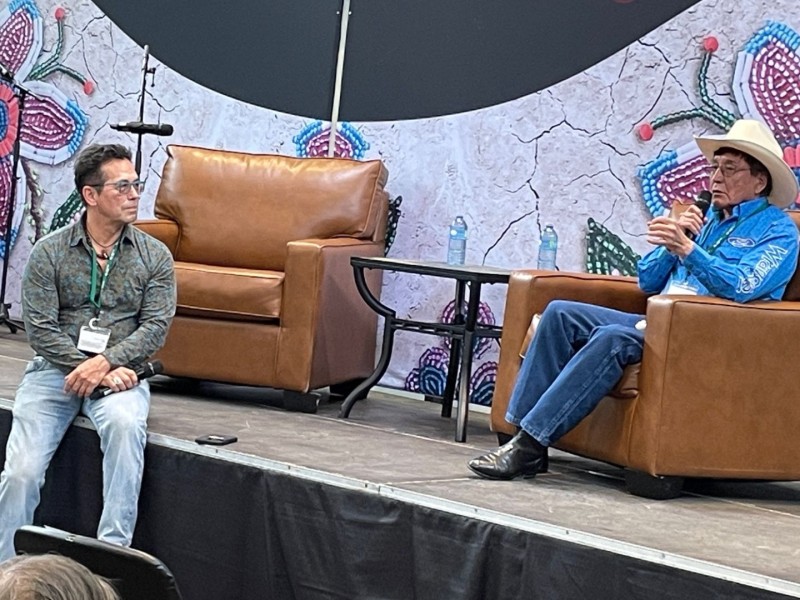
Doig River First Nation ‘taking break’ with no 2026 language revitalization event
Doig River First Nation held ‘Reawakening of our Language’ events in 2024 and 2025, in partnership with Northern Lights College and the University of British Columbia, but it is taking a break in 2026.
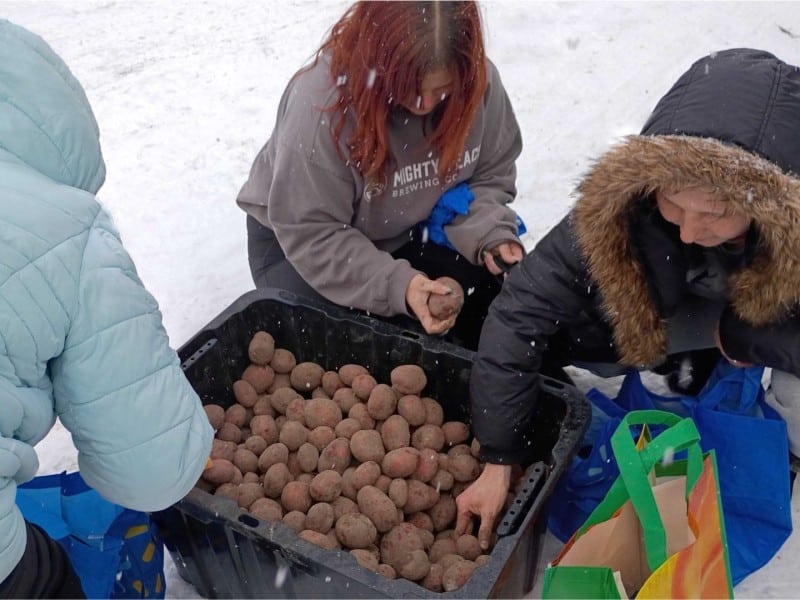
The great potato giveaway: Métis society looks to distribute 55,000 lbs of potatoes
Some 55,000 lbs of potatoes were given to the Fort St. John Métis Society through the Second Harvest program.
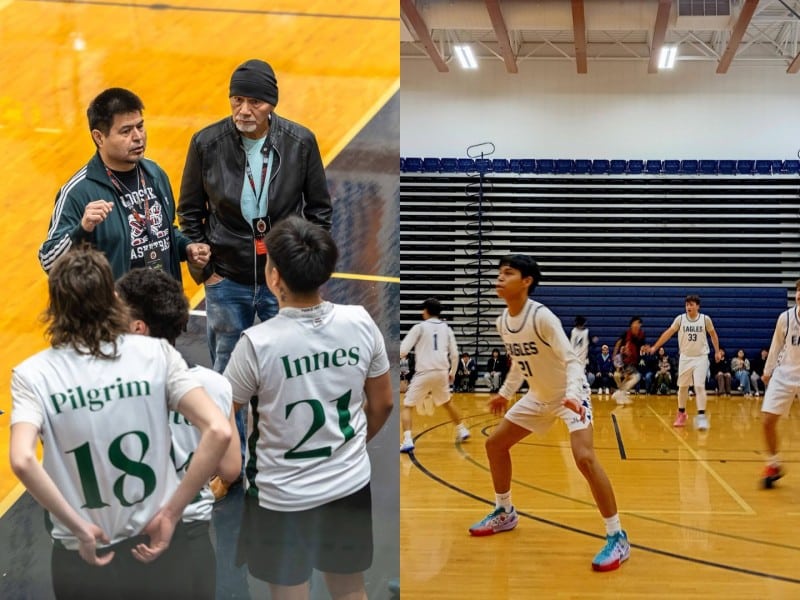
Treaty 8 basketball coach thanks Indigenous basketball championship teams
Cedar Wechlin, who founded the Treaty 8 Bison basketball team, thanked teams at the Junior All-Native Tournament (JANT) who took on northeast B.C. athletes at the competition taking place from March 15th to 20th at the Langley Events Centre.