
Wildfires in the Peace: Living with wildfires in northeast B.C.
A deep-dive into the activity, behavior and effects of wildfires over the past 25 years in the Prince George Fire Centre region.
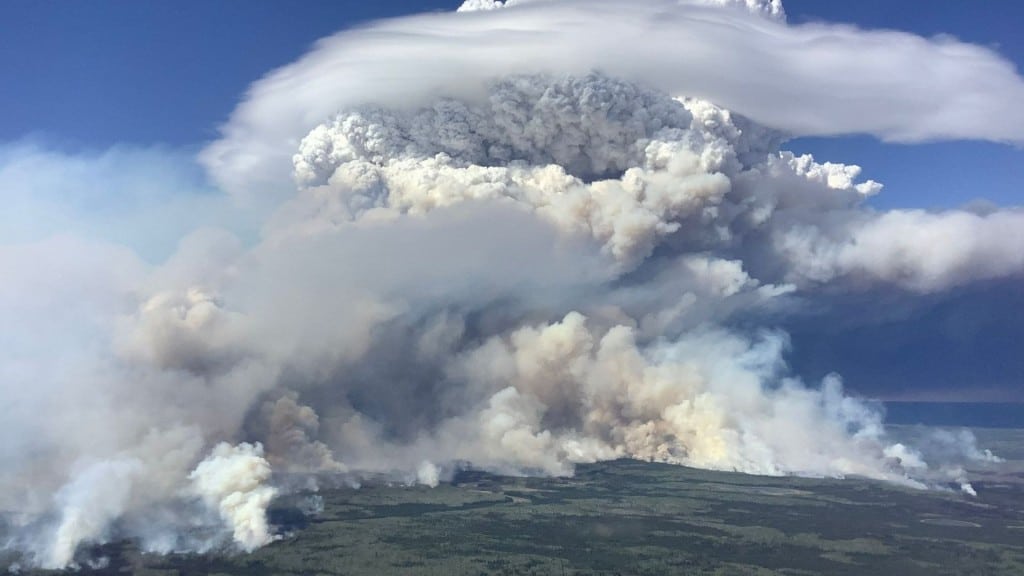
FORT ST. JOHN, B.C. — Wildfire activity in northeast B.C. has been worse in recent years than it has in the past two and a half decades, and experts think this could be the start of a ‘new norm.’
Following weeks of significant wildfire activity across northeast B.C., Energeticcity.ca is taking a deep dive into the impacts of wildfires on our community, including the after-effects, reasons behind them and the possibilities for future wildfire seasons.
In the past 25 years, the BC Wildfire Service (BCWS) has recorded an average of 312 fires burning 177,000 hectares annually in northeast B.C., according to Darrell Johnston with the Prince George Fire Centre (PGFC).
In recent years, a lack of precipitation has led to more severe fire seasons, especially in the boreal forests in the northern region of the fire centre.
“Particularly what we call black spruce, boreal spruce field types, have been more active in the past couple of years because of the consistent drought we’ve had for the last three years,” Johnston said.
The PGFC 2025 wildfire season, which began on April 1st, has already solidified itself as the third worst wildfire season, right behind the 2023 and 2024 seasons.
As of July 2nd, the centre has reported 177 wildfires and a total of 680,000 hectares have burned across northeast B.C.
Latest Stories
Wildfires behavior
Violet Zhao, a professor at the University of Northern British Columbia (UNBC), explained northern wildfires in recent years have reacted to the dry climate, and may burn even through the winter months.
BCWS refers to wildfires that continue to smoulder and burn even during the winter months in northern B.C. as overwintering fires.
Zhao referred to overwintering wildfires as an anomaly, and explained the main danger of such fires is their ability to reignite in different locations.
“They don’t just stay in that one spot, once their fuel [is] done, they start to move around,” Zhao said.
Johnston explained overwintering fires can smoulder deep underground due to drought conditions, and in some regions such as northern B.C., this dry organic layer can be up to six feet deep even during the winter months.
“They are very difficult to track, so the biggest thing is really making sure we have accurate mapping and know where our existing fires and perimeters are so that when we do get that snowfall and that first freeze, we know where the perimeters are to check next year,” Johnston said.
“There are way more [overwintering wildfires] just as a result of the drought, which makes it harder for us to action all of them the second they start to grow when they get that first sunlight back post-spring and they’ve resurfaced from down below.”
Johnston explained several weather stations in northern B.C. have received up to 500 millimeters less rain in the past two and a half years than they “normally would have,” increasing the possibility of wildfires in those areas.
“The rising temperatures is probably one of the top reasons. With the higher temperatures, our forest just dries out faster, and the drier [they are], the easier [it is] for them to burn,” Zhao said.
Zhao explained, to offset the “increased flammability of biomass under warming conditions,” a minimum increase in precipitation of 15 per cent was required.
“This number comes from fire ecology literature and should not be confused with broader drought metrics,” Zhao stated.
Johnston explained overwintering fires may be experienced by other fire centres around the province, however the organic layer available to burn may only be a few inches deep.
Post-wildfire effects
Dr Phil Owens, a UNBC professor, has been researching how the effects of disturbances on the landscape impact aquatic systems since becoming a professor at the university in 2007.
Owens’ research focuses on watersheds, and he has several projects looking at wildfires and the impact of blazes on landscapes and water environments.
“There’s always a lot of attention in those immediate periods when the fire is occurring, correctly so [because] that’s when there is the most concern for loss of life and damage to infrastructure,” Owens said.
“In terms of landscape it can take years, sometimes decades, to fully recover.”
Owens explained people and ministries will try to seed or re-plant the landscape in the wake of a wildfire, but even with human intervention and support, some regions can take 10 to 20 years to stabilize.
“There’s a couple of immediate effects; a lot of water runoff and a lot of erosion in the first few years because there’s no vegetation on the landscape,” Owens said.
Because of the long timeline, landslides can occur due to wildfires many years after the fire has been extinguished, depending on the topography of the environment.
Owens described a “ripple effect” on the aquatic ecosystem in the wake of a wildfire which he has been studying in recent years.
“Pretty much anything in the river channel, from invertebrates to the fish, get impacted,” Owens said.
“Most things within the river corridor do get modified or impacted, and it’s often because of the changes in the water flows, the amount, the timing, the temperature because you lose all that [shade] and then suddenly the river channels are exposed to a lot more incoming solar radiation so they tend to get a lot warmer.”
Living with wildfires
Johnston explained the fire centre monitors fires throughout the season and the winter months through satellite heat detection, cameras and flights, both by airplane and helicopter.
“Every wildfire is unique and results in different impacts to the land,” Johnston explained.
“Many of our forests are dependent on low intensity fires, which clear out that surface fuel and recycle nutrients back into the soil, [helping] promote new growth…eradicating pests and certain other types of diseases and also support[ing] wildlife population and reducing future wildlife severity.”
BCWS has also established border agreements with Alberta, the Yukon, Northwest Territories and America to ensure a smooth process if outside assistance is needed in B.C.
Throughout BCWS’s response to the Kiskatinaw River wildfire near Kelly Lake, Johnston stated the service was in communication with officials from Alberta.
“We have an Alberta liaison embedded with the operations team that has been working on that fire and supporting and making sure we’re in good communication,” Johnston said.
“There’s every evidence that this is going to continue for quite a while…there isn’t any indication that this situation is going to change,” Owens said.
Owens stated “upfront planning” would be required to protect watersheds in the future as wildfires continue.
“[We] keep hearing the ‘new norm,’ but of course that’s a weird expression, because the norm is almost changing on a yearly basis,” Owens said.
“But definitely we’re in a new climate regime so we need to therefore be planning for the future.”
To review all of Energeticcity.ca’s wildfire coverage and stay up to date on active wildfires in the region, visit our Forest Fire news page.
Stay connected with local news
Make us your
home page
Authors
Related Articles
Fort St. John seeks new emergency support volunteers as wildfire season approaches
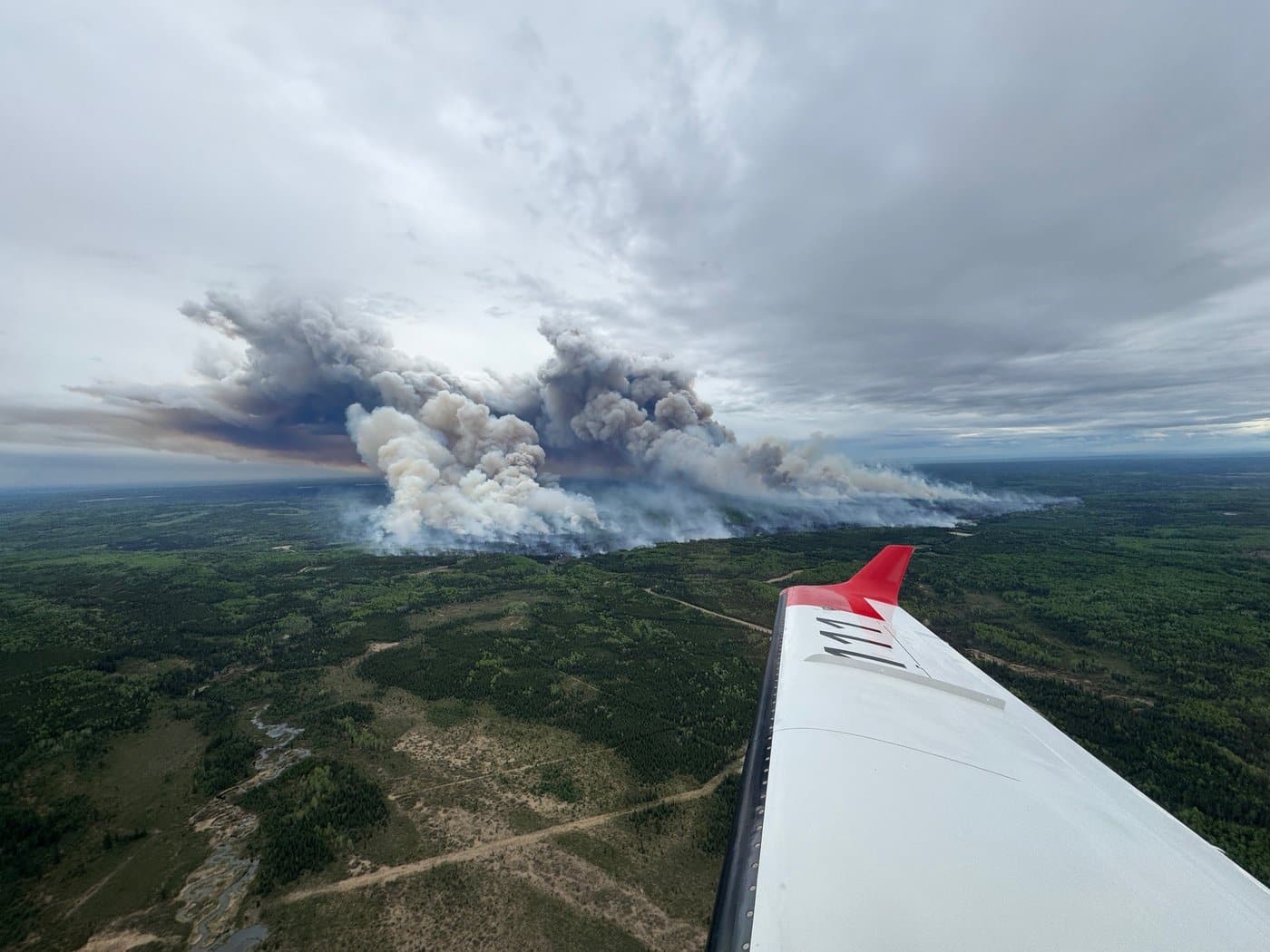
The City of Fort St. John is looking for volunteers to help the community during evacuations and other emergencies.
Nearly 200 forest fires fought in northeast B.C. during wildfire season 2025
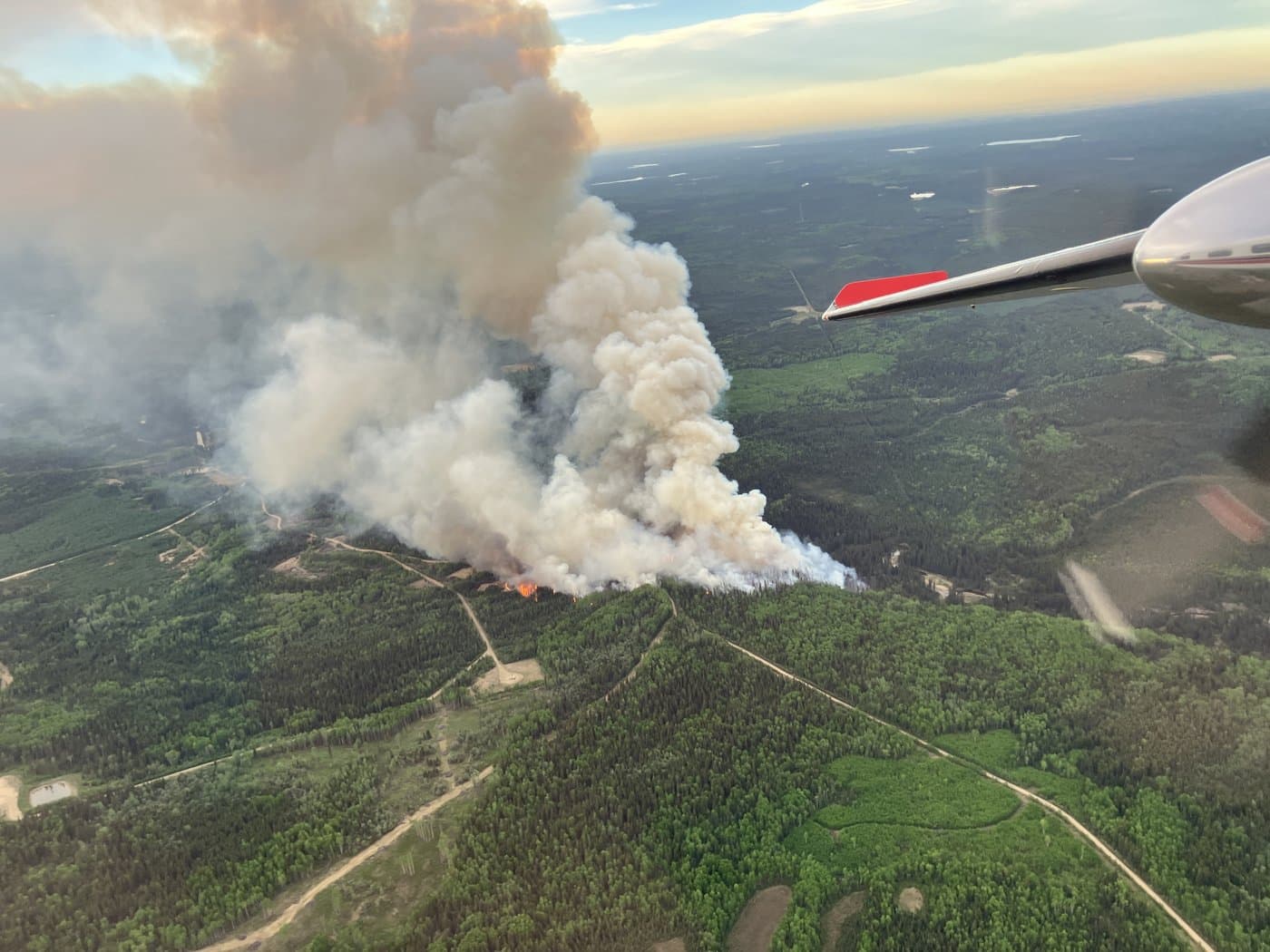
Wildfire season 2025 saw 199 blazes in northeast B.C., while the province saw 1,350 in total.
‘Important investment’: B.C. forestry ministry praises $257.6 million federal boost to wildfire fighting
A recent $257.6 million investment to Natural Resources Canada will go towards Canada’s firefighting capacity, including in B.C.