Beaver language research released for National Indigenous Languages Day
The Office of the Commissioner of Indigenous Languages and Statistics Canada have released data about the Dane-zaa language.
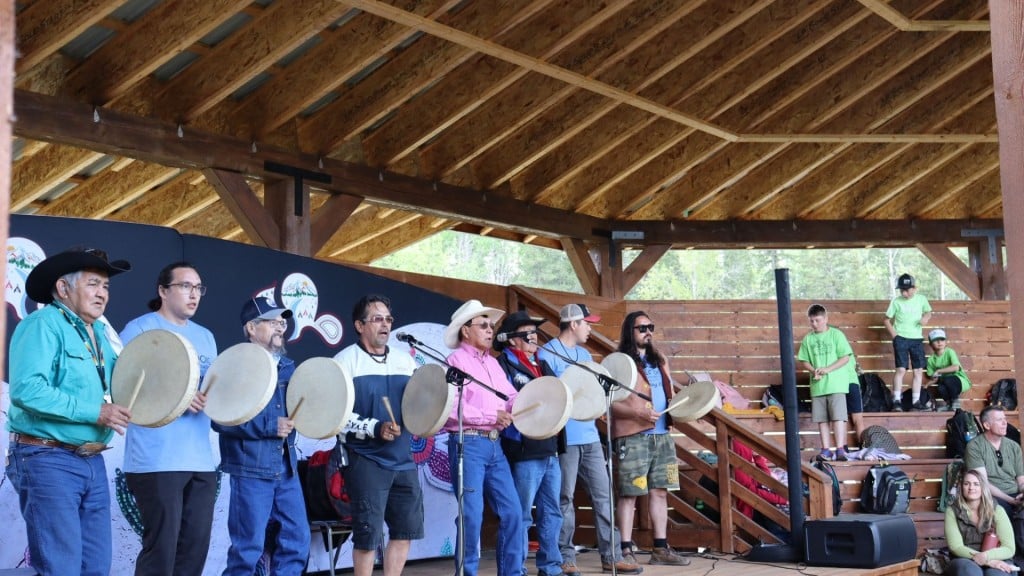
FORT ST. JOHN, B.C. — The Beaver language of the Dane-zaa people was one of nine different language families analyzed by a new report.
The Office of the Commissioner of Indigenous Languages in collaboration with Statistics Canada released the data on Monday, March 31st: National Indigenous Languages Day.
According to the Treaty 8 Tribal Association’s website, Dane-zaa or the Beaver language – part of the Athabaskan family – is the dialect spoken among several bands in northeast B.C.
These include Doig River First Nation, Prophet River First Nation and Halfway River First Nation.
The report suggests the province has a “diverse group” of Athabaskan speakers with roughly three quarters of respondents surveyed – 75.9 per cent – living in B.C. able to speak part of the Dane-Zaa language.
Data also suggests for 12.7 per cent of Dane-zaa speakers, it is the most spoken language at home, with double that saying it was “spoken regularly” among mother-tongue families.
However, the information reports Dane-zaa had just 275 speakers, with 220 reporting it as their mother tongue.
Latest Stories
“This initiative supports the implementation of the Indigenous Languages Act and the Commission’s mandate to promote and champion all Indigenous languages in Canada,” reads the Office of the Commissioner of Indigenous Languages’ press release.
“These reports explore eight Indigenous language families and three outside these families, offering key insights.”
Information included the number of respondents who say the language is their mother tongue, learned as a second language and the one spoken at home.
It also has data on the ‘silent speakers’ of the languages. Silent speakers are defined as speakers who initially had it as a mother tongue but can no longer speak the language well enough to conduct a conversation, or those who have not continued using their mother-tongue over time due to a lack of supporting speakers of the same language but who have retained the knowledge to understand it.
The average age of mother-tongue Dane-zaa speakers was 51 years old, the average age of second-language speakers was 43 years old and the average of silent-language speakers was 36 years.
The average silent-speaking age is the third lowest among Athabaskan-rooted languages.
According to the survey some 1,210 people spoke Slavey, with first-language speakers having an average age of 50, and second-language speakers having an average age of 52.
Slavey is one of three languages spoken in Fort Nelson First Nation, along with Dene and Cree.
Speakers of Cree also reside at West Moberly First Nations and Saulteau First Nations.
The data will be going toward an interactive map conducted with several organizations including the United Nations Educational, Scientific and Cultural Organization’s (UNESCO) Canadian commission, the First Peoples’ Cultural Council along with Gatineau, Quebec’s Canadian Museum of History and magazine Canadian Geographic.
The map would feature stories in Indigenous languages and be offered to schools and museums nationwide.
Part of the research comes from results of Canada’s last census, conducted in 2021.
The full reports and the office’s comments can be found at the organization’s website.
Stay connected with local news
Make us your
home page
Authors
Related Articles
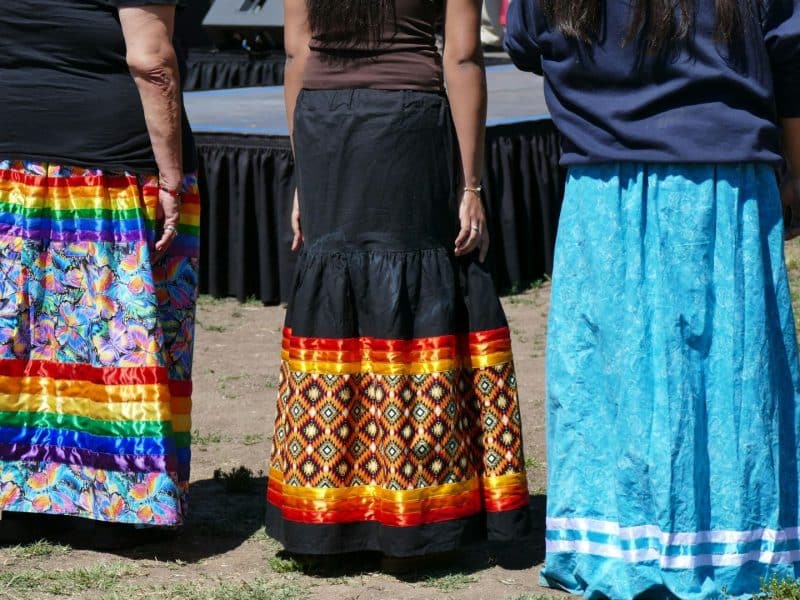
Indigenous explainer: What are ribbon skirts and why are they important?
Ribbon skirts seen as a symbol of womanhood in First Nations culture throughout history.
Fort Nelson community forest uses salvageable lumber funds for replanting
The Fort Nelson First Nation and Northern Rockies Regional Municipality gave an update on the sales of salvageable wood in its community forest.
Fort Nelson First Nation seeks directors for forestry company
Dechita – which translates to forest or bush – is the forestry arm of Fort Nelson First Nation.