
Explained: The City of Fort St. John’s snow removal policy
Find out about the City of Fort St. John’s snow removal policies and how homeowners are expected to contribute.
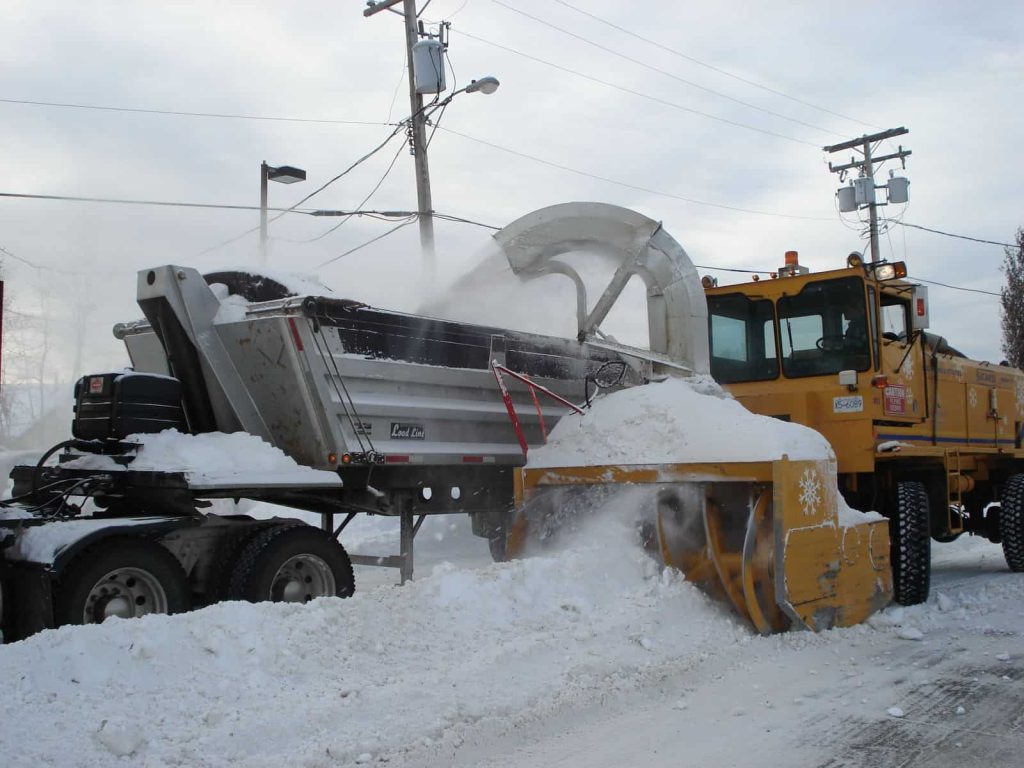
FORT ST. JOHN, B.C. — As the winter season in Fort St. John continues, snow and ice fall remains a pressing issue for the city.
Ryan Harvey, communications manager for the City of Fort St. John, told Energeticcity.ca the city works hard to keep the roads and sidewalks safe – tackling rapidly changing weather conditions during the cold weather.
For those who are looking to understand the city’s policies, the following article covers everything you need to know about the city’s obligations and responsibilities and how homeowners are expected to contribute.
Residential sidewalk clearing
According to the city’s sidewalk regulation bylaw, homeowners must remove any snow or ice from the sidewalks bordering their registered property within 48 hours after the accumulation.
The snow must also not be deposited on roadways, city property or restrict fire hydrants.
Ryan Harvey, the City of Fort St. John’s media relations officer, helped explain sidewalk responsibilities after one resident fell multiple times in January.
Latest Stories
Current policies and budget
According to the current policy, the city aims to maintain its roadwalks, trails and parking lots while ensuring safety, function and economic responsibility during the winter months.
According to a report to council, the city’s snow removal budget was $1.9 million in 2020.
The budget has since increased to $2.7 million in 2024 due to increased material costs, staff wages and contracted services.
Fort St. John has four different snow-clearing levels based on the accumulation of snow.
– Routine snow clearing – normal snow and ice clearing (including salting/sanding) intended to eliminate, reduce or mitigate hazards to users within the snow and ice control area.
– Level one – snow and ice control for snowfall between five cm and 15 cm measured over a 72-hour period.
– Level two – for snowfall from 15 cm to 25 cm over three days.
– Level three – snowfall greater than 25 cm over three days.
“Council recognizes that Fort St. John is a winter city, and that winter conditions are part of who we are,” the policy reads.
“Snow fighters will clear snow on a priority basis to enable effective movement of emergency vehicles and facilitate movement of traffic and pedestrians within the city.
“Council ensures that funds are available to cover additional expenses resulting from heavy snowfall seasons, including staff time and contracted services to allow for additional forces to continue working through the priorities as snow levels increase,” says the policy.
The snow and ice control area refers to a zone containing highways, streets, lanes, trails, sidewalks and parking lots with a snow-clearing designation from the city.
Snow clearing update presentation
During a city council meeting on January 6th, Jeremy Garner, director of public works and utilities, presented an update of the city’s snow removal policy.
The city currently uses graders and snowblowers to move the snow onto the boulevards to stop it blocking residential driveways.
Snow clearing used to be completed within three days using a plow truck which left snow piles on driveways and parking lanes.
Garner said the new method, called “curb-to-curb”, is slower and more expensive but prevents driveways and intersections from being blocked.
According to Garner, the city’s current snow-clearing methodology results in a team needing 2,400 hours to clear 10 centimeters of snow from all sidewalks and roads within the city.
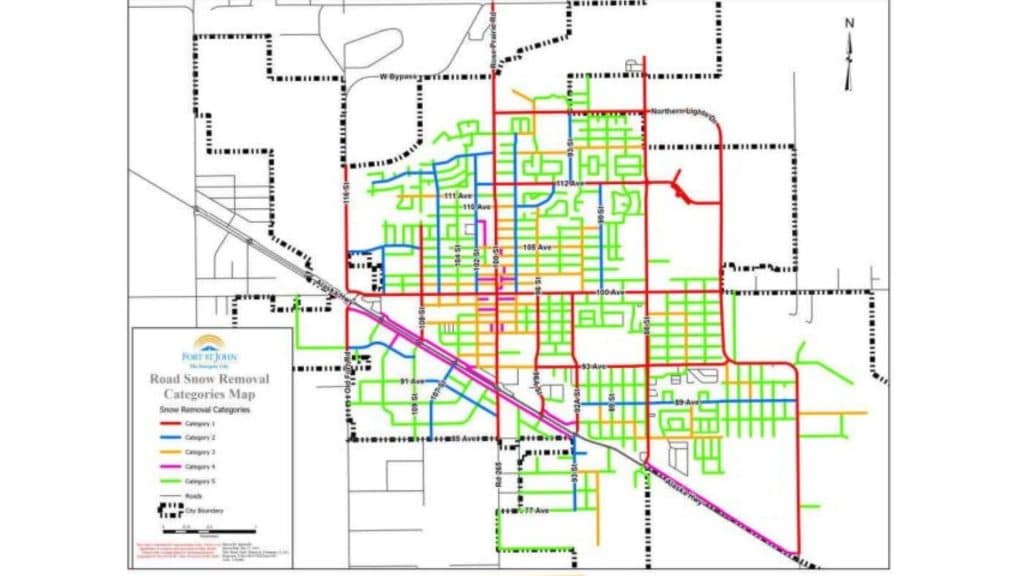
The presentation explained changes made to the category system going into the 2024 – 2025 winter season.
Garner says category one roads fall under the responsibility of public works and include major thoroughfares and adjacent sidewalks such as 100th Street and 100th Avenue.
Category two focuses on collector routes and adjacent sidewalks, and category three is transit routes, stops and adjacent sidewalks, as well as core avenues in the city.
Categories four and five are all frontage roads and core commercial paved lanes and residential areas.
Garner’s presentation can be viewed below:
Stay connected with local news
Make us your
home page
Authors

Related Articles

Community-driven initiative to help suicide prevention capacity in Fort St. John, Peace Region
The Foundry Fort St. John, along with other community partners are working towards youth suicide prevention capacity in Fort St. John and the Peace River region.
(UPDATE) BC Highway Patrol talks Slow Down and Move Over Campaign
BC Highway Patrol has released statistics from last month’s Slow Down and Move Over Campaign.