
Indigenous Justice Centre to open in Fort St. John
Fort St. John will be one of six cities around the province to open an Indigenous Justice Centre (IJC) centring on First Nations’ justice strategy.

FORT ST. JOHN, B.C. — Fort St. John will be one of six cities around the province to open an Indigenous Justice Centre (IJC) centring on First Nations’ justice strategy.
The energetic city will join Kamloops, Williams Lake, Cranbrook, Port Hardy and a shared location between the towns of Burns Lake and Hazelton, according to a press release.
A BC First Nations Justice Council spokesperson told Energeticcity.ca that a location has been identified for the Fort St. John site, but the details have not yet been released because consultations with local First Nation leaders are ongoing.
This process was delayed by wildfires in the region and the centre is not expected to open until at least the spring, they said.
Kory Wilson, chair of the BC First Nations Justice Council, and deputy premier Niki Sharma announced the new centres on February 6th.
The new IJCs – which aim to “embrace with care” First Nations members needing legal services – bring the total number in BC to 15.
“It is incredible to reflect on what First Nations, the BC First Nations Justice Council and the province have collaboratively achieved,” said Wilson. “IJCs provide Indigenous clients with optimum legal representation and access to wraparound services that extend beyond their legal needs.”
Latest Stories
Centering on offering culturally appropriate legal advice and support, IJCs were designed to assist Indigenous people at a community level.
This can involve legal and outreach teams using their expertise to support and heal Indigenous clients using “restorative justice”, according to the release.
It aims to help First Nations members prevent future interactions within the justice system.
The six centres announced on Thursday will join current IJCs in Chilliwack, Kelowna, Merritt, Nanaimo, Prince George, Prince Rupert, Surrey, Vancouver and Victoria.
In addition, a virtual IJC operates remotely for the entire province.
The network of IJCs was first created by the province as part of the NDP government’s 2023 budget, with the province committing $44 million over three years for the centres.
B.C. announced that all Indigenous clients, regardless of their legal aid qualifications, can access all services at IJCs last March.
More information about how to access IJCs is available at the First Nations Justice Council website.
As we continue to grow and deliver accessible stories that matter to the community, feedback from readers like you is especially important to us. Let us know your thoughts about Energeticcity.ca’s coverage by taking a short survey at energeticcity.ca/survey.
Stay connected with local news
Make us your
home page
Authors

Related Articles
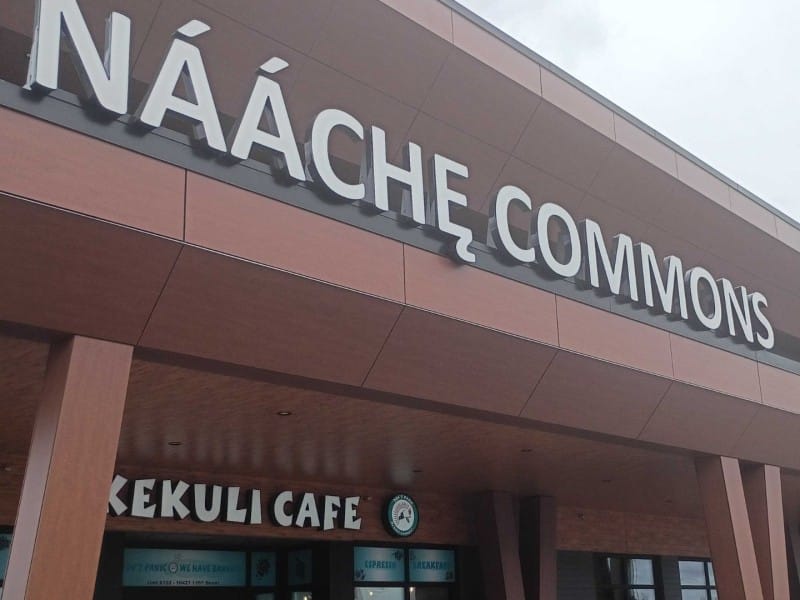
Doig River First Nation councillors and Fort St. John Mayor speak of the opening of Naache Commons in the city
Both Doig River First Nation Chief and Council and Fort St. John’s Mayor had positive comments after the opening of the Nation’s Urban Reserve, Naache Commons in the city.
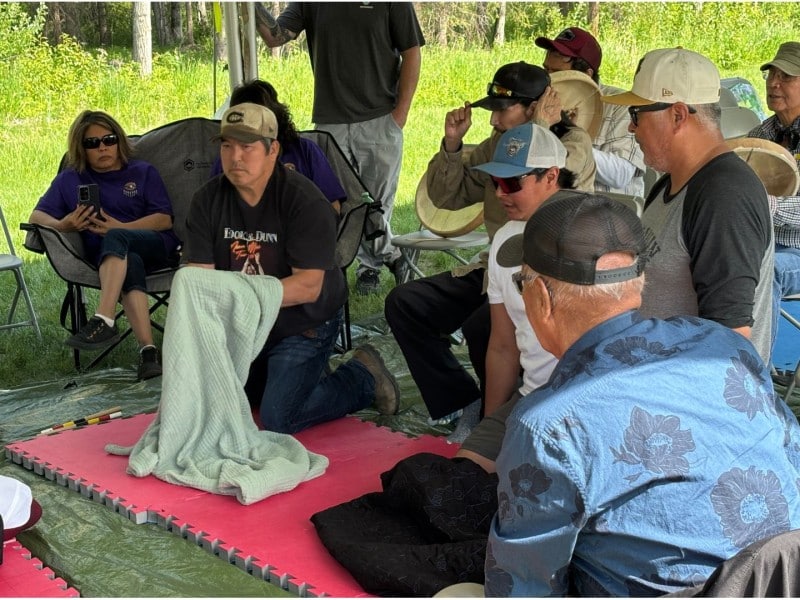
Family, friends and culture celebrated at Halfway River Arbour Days
The third-annual celebration is held honouring Maizie Metecheah, who envisioned an arbour at Halfway River First Nation where community could gather

Instructor talks about Fort Nelson school’s experience at Edison Motors EV Challenge
Chalo School in Fort Nelson’s team had two top 15-finishes at the Edison Motors EV Challenge in Donald in early June.